
Introduction to Bee Importance
Bees are often overlooked when discussing the health of our environment, yet they play a pivotal role in maintaining ecological balance. As pollinators, they are responsible for transferring pollen from one flower to another, facilitating the reproduction of a vast array of plants. This process is not only vital for the survival of many plant species but also crucial for the overall biodiversity of ecosystems.
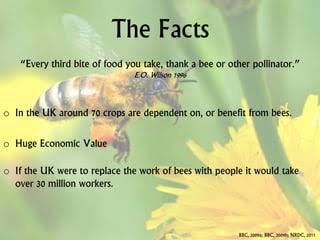
The contribution of bees to agriculture is particularly significant. It is estimated that approximately one-third of the food we consume relies on animal pollination, with bees being the primary pollinators. They enhance crop yields and contribute to the production of fruits, vegetables, and nuts. Without their diligent pollination efforts, agricultural productivity would decline, leading to food shortages and increased prices.
Furthermore, bees support the growth of wild plants, which provide habitats and food for various wildlife, including birds and mammals. The interconnectedness of species within ecosystems illustrates how vital bees are; their decline can trigger a ripple effect on the entire food chain, impacting not just plants but also the animals that depend on them.
The health of bee populations is thus a crucial indicator of ecological integrity. Declining species of bees, attributed to factors such as pesticide exposure, habitat loss, and climate change, represent a significant threat to ecological balance. Conservation efforts to protect and restore bee habitats are essential. By fostering a suitable environment for bees, we ensure the continued health of our ecosystems, thus preserving both biodiversity and agricultural productivity.
Pollination: The Heart of Ecosystem Productivity
Pollination is a crucial biological process that plays a significant role in the productivity of ecosystems worldwide. It involves the transfer of pollen from the male anthers of flowers to the female stigma, enabling fertilization and subsequent seed production. While various organisms contribute to pollination, bees are particularly effective pollinators due to their foraging behaviors and physical structures, which are optimized for collecting and distributing pollen.
The relationship between bees and flowering plants is essential for the reproduction of many species. When bees visit flowers in search of nectar, they inadvertently gather pollen on their bodies. As they move from flower to flower, pollination occurs, leading to the fertilization of plants. This process is not only vital for the growth of fruits and seeds but also supports plant genetic diversity. The diversity in plant life, in turn, supports a wide range of organisms within the ecosystem, creating a balanced and resilient environment conducive to sustaining wildlife.
Moreover, the impact of bees on food production is substantial. Approximately one-third of the food we consume relies on pollination, predominantly facilitated by bees. Crops such as fruits, vegetables, nuts, and seeds are examples of food sources directly benefited by effective pollination. In agricultural practices, the health of bee populations is often monitored because their decline could result in diminished crop yields and economic losses for farmers. Consequently, understanding the integral role of bees within the broader context of ecosystem productivity highlights the necessity of conserving these pollinators.
In conclusion, the process of pollination, primarily conducted by bees, is fundamental for fertilizing a vast array of plants, thereby directly influencing food production and promoting biodiversity. As stewards of the environment, recognizing and protecting these vital pollinators is critical to ensure a balanced ecosystem and sustained agricultural viability.
Biodiversity and Bees
Bees play a critical role in maintaining biodiversity within various ecosystems. As primary pollinators, they are essential for the reproduction of numerous flowering plants, which contribute significantly to the variety of life that these ecosystems support. The process of pollination facilitated by bees leads to the production of fruits and seeds, allowing plant species to thrive and diversify. This, in turn, creates a more complex ecosystem, fostering habitats for various animals and other organisms.
The relationship between bees and plants is mutually beneficial. While bees gather nectar and pollen for food, plants rely on these insects to transfer pollen from one bloom to another, promoting genetic diversity. This genetic mixing is vital for the health and resilience of plant species, enabling them to adapt to changing environments and resist diseases. Consequently, the decline in bee populations can have dire repercussions for plant diversity, leading to the potential extinction of certain species and a reduction in the overall ecological balance.
Furthermore, the impact of bees extends beyond the realm of flora. A diverse array of plant species supports a wide range of animals, including herbivores and carnivores, which rely on these plants for food, shelter, and survival. For instance, many bird species depend on seeds and fruits as food sources, while insects provide essential nutrition for various mammals. Therefore, by ensuring the health of bee populations, we are indirectly safeguarding the habitats and food systems of countless organisms.
In conclusion, the contribution of bees to biodiversity is undeniable. Their role in pollination not only bolsters plant species diversity but also supports the wider array of life within ecosystems. Protecting bees is imperative for the stability of these systems and the overall health of the environment.
Economic Impact of Bees
The importance of bees extends beyond their ecological role, significantly influencing the agricultural economy. Pollination, a natural service provided primarily by bees, is crucial for the production of numerous crops. The economic implications of bees in agriculture are profound, with various estimates quantifying the value of their contributions. It has been assessed that bees contribute approximately $15 billion annually to the agricultural sector in the United States alone. This figure highlights the essential role that these insects play in sustaining not only crops but also the livelihoods of farmers and the availability of diverse food products.
Bees facilitate the pollination of an estimated 70% of global crop species. Fruits, nuts, and vegetables rely heavily on bee pollination, accounting for a significant portion of the food supply. The presence of bees enhances crop yields, leading to better quality produce and increased profits for farmers. For instance, crops like almonds, blueberries, and apples depend almost entirely on bee pollination. The economic value generated from these crops illustrates how the decline in bee populations could have dire consequences not only for food production but also for the economy as a whole.
Moreover, the economic repercussions extend to the broader food supply chain, affecting processors, distributors, and retailers. As bee populations dwindle due to various factors such as habitat loss, pesticide exposure, and disease, the resulting decrease in crop yields could lead to higher food prices and reduced availability. This scenario emphasizes the critical need for conservation efforts aimed at protecting bee populations. As we recognize the vital role of bees in agriculture, it becomes essential to implement strategies that safeguard their habitats and promote their health. Collective actions can ensure that bees continue to perform their invaluable service, securing the agricultural industry’s future and supporting overall economic stability.
Bees and Climate Resilience
Bees play an indispensable role in promoting climate resilience through their vital contributions to plant diversity and ecosystem stability. By facilitating pollination, bees ensure that a wide range of plants can thrive, leading to an increase in biodiversity which is essential for healthy ecosystems. Biodiversity provides the genetic variability necessary for ecosystems to adapt to changing climate conditions, thus enhancing resilience against extreme weather events and other stressors arising from climate change.
When bees pollinate flowering plants, they contribute to the formation of fruits and seeds, which not only sustains the plants themselves but also supports various other organisms within the ecosystem. This relationship has a cascading effect—more plant species lead to more diverse herbivores, which in turn support a variety of predators, creating a balanced food web. The interconnectedness of these species is crucial in mitigating the impacts of climate change, as diverse ecosystems can better resist pests and diseases, recover from extreme weather, and maintain essential services such as carbon sequestration.
Moreover, the stability offered by healthy plant communities aids in soil conservation and water retention. When bees pollinate plants that are adapted to local conditions, they help maintain the ecosystem’s integrity, promoting soil health and reducing erosion. This is particularly significant in the context of climate change, where extreme events such as floods and droughts are becoming more frequent. Sustainable agricultural practices that rely on bee pollination can enhance food security in a changing climate, ensuring that crops can withstand environmental stressors.
In conclusion, the relationship between bees and climate resilience is profound and multifaceted. By supporting biodiversity through their pollination activities, bees are pivotal in strengthening ecosystems against the adverse effects of climate change. Protecting bee populations is essential for maintaining ecosystem stability and promoting a sustainable future for all living organisms on our planet.
Threats to Bee Populations
Bee populations across the globe are facing numerous threats that jeopardize their survival and, consequently, the health of our ecosystems. One of the primary issues is habitat loss, which diminishes the space necessary for bees to thrive. Urban development, agricultural expansion, and deforestation have significantly reduced the diversity and availability of flowering plants that bees rely on for food. This fragmentation of habitat leads to a decrease in bee populations as they struggle to find adequate resources.
In addition to habitat loss, the use of pesticides poses a severe risk to bees. Chemicals such as neonicotinoids disrupt the neurological functions of these important pollinators, leading to disorientation, reduced foraging efficiency, and ultimately death. The agricultural practices that favor chemical treatments over integrated pest management have heightened the vulnerability of bee populations to these harmful substances.
Climate change is another critical factor affecting bees. As temperatures rise and weather patterns become more erratic, the natural cycles of flowering plants are disrupted. Some flowers may bloom earlier or later than usual, which can create mismatches between the availability of food and the foraging habits of bees. This disconnection can lead to reduced bee populations as they struggle to adapt to rapid environmental changes.
Moreover, diseases and parasites, such as the Varroa destructor mite, pose significant threats to bee health. These pathogens weaken bee colonies, making them more susceptible to environmental stressors. The combined impact of these diseases, along with stress from habitat loss and pesticides, creates perfect conditions for colony collapse. Understanding these threats is vital for developing strategies to protect bee populations, ensuring they can continue to play their essential role in pollination and maintaining biodiversity.
Conservation Efforts for Bees
Bees play an essential role in pollinating plants, which supports biodiversity and helps sustain food sources. To protect these important insects, various conservation efforts have been initiated globally, focusing both on their habitats and the populations themselves.
One of the notable community initiatives is the establishment of local pollinator gardens. These gardens are designed to provide bees with a habitat that contains native flowering plants, creating a source of food and shelter. Communities have seen active participation from residents who cultivate these gardens to enhance local biodiversity. Such grassroots efforts not only contribute to the well-being of bee populations but also educate the public about the importance of bees in our ecosystem.
In addition to local initiatives, scientific research plays a crucial role in understanding and conserving bee populations. Researchers are studying bee behavior, health, and the impact of environmental factors, such as pesticides and climate change, on their survival. This research is vital for developing effective strategies to protect bees. Furthermore, scientists are collaborating with farmers to implement bee-friendly agricultural practices that minimize chemical exposure and promote sustainable farming methods.
Non-profit organizations are also actively working towards bee conservation. These organizations frequently conduct awareness campaigns targeted at both urban and rural populations, emphasizing the importance of bees and the threats they face. They often provide resources and guidelines for individuals and communities to engage in conservation practices that benefit bee populations.
Additionally, initiatives are being put in place at governmental levels that aim to create policies helping to safeguard bees and their habitats. This includes protecting existing natural habitats and promoting biodiversity through the establishment of protected areas. Strategies such as these highlight a multi-faceted approach wherein community action, scientific research, and policy-making work in tandem to provide a comprehensive solution for bee conservation.
What Individuals Can Do to Help
The decline of bee populations poses a significant threat to biodiversity and food production. Individuals play an essential role in supporting these vital pollinators through various actionable steps. One of the most effective ways to assist bees is by planting bee-friendly gardens. This involves selecting native plants that attract bees and provide them with the necessary nectar and pollen. Flowers such as lavender, sunflowers, and clover not only beautify gardens but also serve as crucial food sources for various bee species throughout the growing season.
Besides planting flowers, individuals can also create habitats for bees. This can be done by leaving areas of your garden uncultivated, providing shelter and nesting sites. Incorporating bee hotels or bundles of twigs can effectively encourage solitary bee species to take up residence. It is important to maintain a diverse garden, as different species of bees are attracted to different types of plants.
Additionally, when gardening, individuals should avoid using pesticides and chemical fertilizers, as these can harm bees and disrupt their natural behavior. Instead, consider using organic gardening methods and natural pest control techniques that are safer for pollinators.
Supporting local beekeepers is another impactful way to protect bee populations. By purchasing honey and other bee products from local sources, individuals can help sustain beekeeping businesses that contribute to local ecosystems. Participating in community events or workshops focused on beekeeping and bee conservation can enhance awareness and understanding of the challenges faced by these essential pollinators.
Lastly, advocating for policies that protect bee habitats and promote sustainable agricultural practices can extend one’s impact beyond individual actions. Individuals can contact local officials or join environmental groups that focus on bee conservation, thereby contributing to larger initiatives aimed at preserving bee populations.
The Future of Bees and Ecosystems
As we move forward into an era increasingly influenced by environmental changes and human activity, the role of bees remains paramount within our ecosystems. These remarkable pollinators contribute significantly not only to the reproduction of flowering plants but also to the overall health and balance of ecosystems. The ongoing decline in bee populations raises pressing concerns regarding food security and biodiversity, highlighting a critical need for immediate action.
The future of bees largely hinges on several key factors, including habitat preservation, agricultural practices, and public awareness. Efforts to conserve natural habitats that support bee populations must be prioritized. This can be achieved through initiatives that promote sustainable land use and discourage pesticide use, which has been found to have detrimental effects on bee health. Agricultural practices that incorporate biodiversity and provide food sources throughout the seasons can foster a more hospitable environment for bees.
Furthermore, enhancing public awareness about the importance of bees and the challenges they face is crucial for mobilizing community actions. Local and global initiatives aimed at educating the public about bee conservation can inspire individuals to participate in efforts such as planting bee-friendly gardens or advocating for policies that protect these vital insects. Schools and community organizations can play a pivotal role in spreading this knowledge, creating a society that better understands and values the role of bees.
In conclusion, the future of bees and the ecosystems they support is intertwined with human actions. Ongoing efforts to preserve bee populations are essential not only for maintaining biodiversity but also for ensuring the health of the planet. As we acknowledge their integral role in our food systems and natural processes, it is imperative that we take decisive steps towards their conservation, forging a sustainable pathway that benefits both bees and humanity alike.