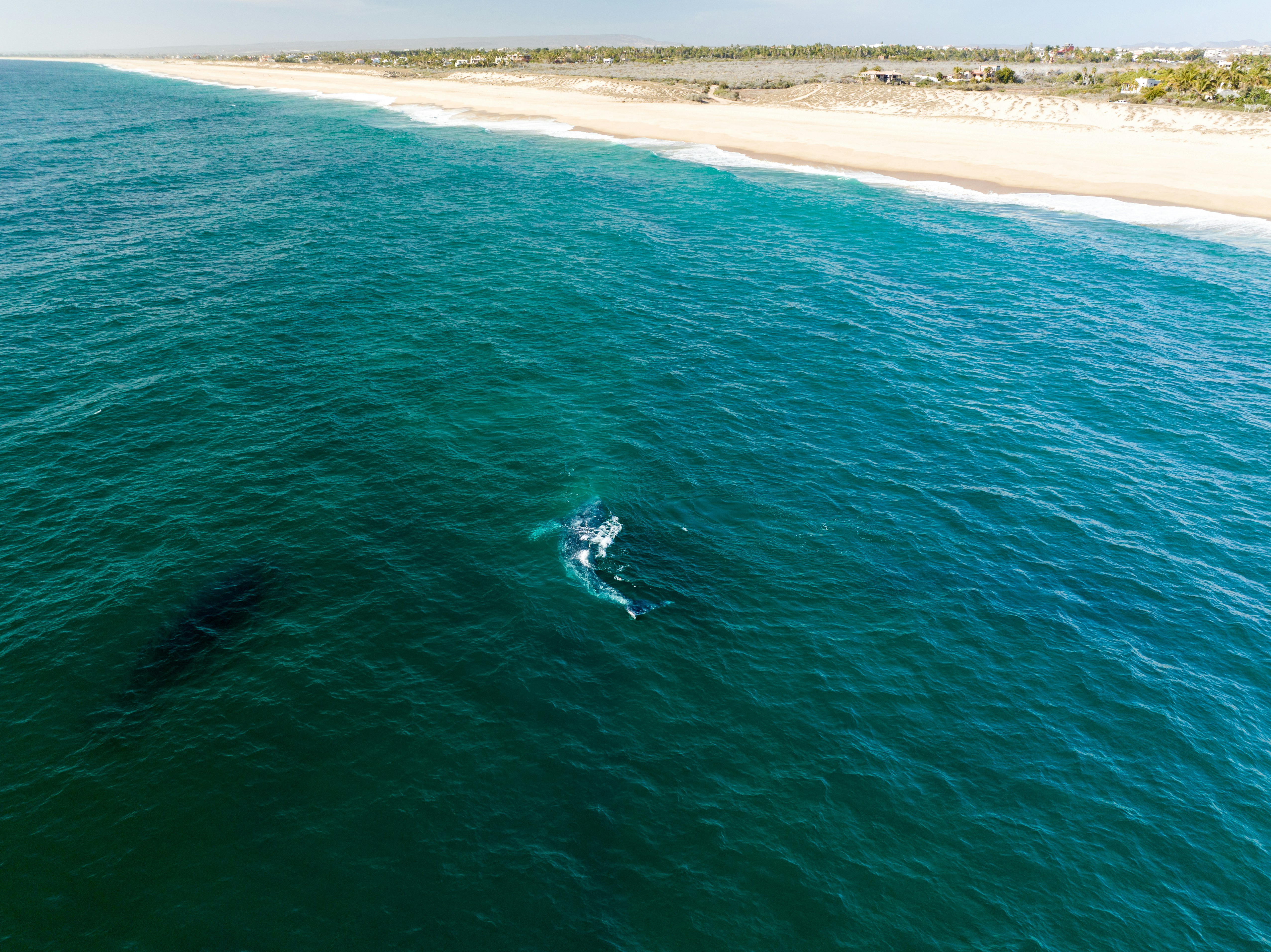

Introduction to the Ocean’s Importance
The ocean is an essential and vital component of Earth’s ecosystem, playing a critical role in maintaining the planet’s overall health and stability. Covering more than 70% of the Earth’s surface, oceans are not merely vast bodies of water; they are complex systems that contribute significantly to various environmental and biological processes. One of the key functions of the ocean is climate regulation. The ocean absorbs a considerable amount of the sun’s heat, which helps to moderate temperatures around the globe. This heat transport is crucial for regulating weather patterns and maintaining climatic equilibrium.
Additionally, oceans are a major carbon sink, absorbing carbon dioxide from the atmosphere and thereby mitigating climate change effects. By acting as a buffer against atmospheric changes, the ocean plays a substantial role in sustaining current climatic conditions, which is vital for all life forms on Earth.
The ocean also represents one of the most diverse ecosystems on the planet, housing millions of species, many of which are yet to be discovered. This biodiversity is not only crucial for ecological balance but also provides various resources and services vital for human survival, including food, medicine, and recreation. Coral reefs, for instance, are often called the “rainforests of the sea” due to their immense biological diversity and their importance in providing habitats for numerous marine species.
In conclusion, the ocean’s importance cannot be overstated. Its influence on climate regulation and biodiversity underscores its role as a cornerstone of our planet’s health and stability. Recognizing and understanding this vital component of Earth’s ecosystem is essential for promoting conservation efforts and ensuring a sustainable future for both the ocean and humanity.
Climate Regulation and Weather Patterns
The oceans play a crucial role in regulating the climate and influencing weather patterns across the globe. Covering over 70% of the Earth’s surface, these vast water bodies have a significant capacity to absorb heat and carbon dioxide, thereby acting as a buffer against climate change. The thermal inertia of oceans allows them to store and redistribute solar energy, which in turn affects temperature variations in both marine and terrestrial environments.
Through a process known as thermohaline circulation, oceans facilitate the movement of warm and cold water currents, driving the global climate system. For instance, the Gulf Stream transports warm water from the tropical regions to the North Atlantic, which helps maintain milder climates in parts of Europe. Conversely, cold water currents can have cooling effects on coastal weather patterns. This dynamic interplay of ocean currents is essential in determining precipitation patterns and can lead to the formation of weather phenomena such as hurricanes.
Additionally, oceans significantly impact the carbon cycle, as they absorb about one-third of anthropogenic carbon dioxide emissions. By sequestering carbon dioxide in their waters, oceans mitigate the greenhouse effect and contribute to climate stability. Marine ecosystems, particularly phytoplankton, play a vital role in this process through photosynthesis, producing oxygen and removing carbon dioxide from the atmosphere. However, the increasing levels of carbon in the oceans lead to concerns such as ocean acidification, which poses threats to marine life and subsequently affects weather patterns.
Overall, the interactions between the oceans and the atmosphere are fundamental to understanding the complexities of climate regulation and weather patterns. These interactions underscore the importance of protecting our oceans to maintain not only marine biodiversity but also global climate stability. As we continue to confront climate change, recognizing the vital functions that oceans serve becomes imperative in shaping our environmental policies and responses.
Biodiversity and Marine Life Preservation
The oceans are home to an extraordinary array of biodiversity, housing millions of species ranging from the smallest plankton to the largest whales. This incredible diversity is not only fascinating but also plays a vital role in maintaining the ecological balance of our planet. Marine biodiversity encompasses various life forms, including fish, mammals, birds, and countless invertebrates, each contributing uniquely to marine ecosystems.
Each species occupies a specific niche within the oceanic environment, which aids in nutrient cycling, energy transfer, and habitat stability. For example, coral reefs, often referred to as the “rainforests of the sea,” support a wide variety of marine organisms and provide essential services such as coastal protection and tourism. The health of these ecosystems is dependent on the preservation of their biodiversity, as each species plays a role in the overall functioning of the environment.
Poorly managed fishing practices, pollution, climate change, and habitat destruction are significant threats to marine life and biodiversity. Overfishing can lead to the collapse of fish populations, which disrupts food webs and leads to further ecological consequences. Pollution, particularly plastic waste, poses numerous hazards to marine organisms, affecting their health and reproductive capabilities. As the ocean warms due to climate change, many species are forced to migrate or face the risk of extinction, further threatening the ecological balance.
Preserving marine biodiversity is therefore crucial not only for protecting species but also for sustaining human life, as oceans provide food, regulate climate, and support livelihoods. Conservation efforts, such as establishing marine protected areas (MPAs), promote biodiversity recovery and enhance ecosystem resilience. By fostering the rehabilitation of marine environments, we can ensure the survival of diverse species, which is essential for the ocean’s health, climate regulation, and the well-being of future generations.
Oceans and the Global Economy
The oceans play a critical role in the global economy, contributing significantly to various sectors such as fishing, tourism, and transportation. These industries not only provide direct employment opportunities but also support millions of livelihoods worldwide. Healthy ocean ecosystems are the backbone of these economic activities, and their degradation could have dire consequences for economic stability.
Fishing, for example, is a vital industry that supports billions of people globally. It is estimated that nearly 1 billion people rely on fish as their primary source of protein. The health of fish populations is directly tied to ocean health; overfishing and habitat destruction can lead to declines in fish stocks, which in turn jeopardize the livelihoods of those who depend on this resource. Sustainable fishing practices are essential to ensure that both aquatic ecosystems and the fishing industry can thrive.
Tourism is another vital economic sector that heavily depends on oceans. Coastal regions attract millions of tourists each year, drawn by vibrant marine life, beautiful beaches, and recreational activities such as diving, boating, and fishing. Healthy oceans are a prerequisite for biodiversity, and protecting marine environments is crucial for maintaining the attractiveness of these destinations. The economic benefits derived from tourism can be significant, providing not only jobs but also income to local communities. However, this sector is under threat from pollution, climate change, and habitat loss, which all undermine the natural beauty that draws visitors.
Transportation is yet another industry where oceans play a crucial role. Approximately 90% of global trade is carried out via shipping routes across the seas. The effectiveness of this industry relies on the health of marine ecosystems, as shipping routes must be navigable and ports must be kept in good condition. Furthermore, the shipping industry is actively seeking ways to reduce its environmental impact, highlighting the interconnectedness of ocean health and economic activities.
In conclusion, the oceans are integral to the global economy. Their contribution to fishing, tourism, and transportation underscores the need for sustainable practices that protect these ecosystems. Without concerted efforts to maintain healthy oceans, the economic viability of these sectors could be compromised, ultimately impacting societies worldwide.
Oceans as Carbon Sinks
The oceans play a crucial role in regulating the global climate by acting as significant carbon sinks. This process involves the absorption and storage of carbon dioxide (CO2) from the atmosphere, which is vital in mitigating the impacts of climate change. The capacity of oceans to sequester carbon is attributed to various natural processes, most notably photosynthesis carried out by marine organisms and the solubility of CO2 in seawater.
Phytoplankton, microscopic marine plants, are pivotal in this regard as they absorb CO2 during photosynthesis. These organisms not only produce oxygen but also contribute to the ocean’s ability to sequester carbon. When phytoplankton die or are consumed by marine animals, the carbon they have absorbed can be transported to the ocean depths, effectively removing it from the atmosphere for extended periods.
Additionally, the physical processes of ocean circulation play a significant role in carbon sequestration. When surface waters are cooled, particularly in polar regions, they absorb more CO2. This cold, CO2-rich water subsequently sinks and moves through the oceanic thermohaline circulation, delivering carbon to the deep ocean where it can remain isolated from the atmosphere for centuries or even longer.
The health of the oceans is inherently tied to the efficiency of these carbon capture mechanisms. However, with the increasing levels of CO2 emissions and the resulting ocean acidification, the stability of these vital processes is under threat. The disruption in ocean health may hinder its capacity to act as an effective carbon sink, exacerbating climate change impacts.
In conclusion, the oceans’ role as carbon sinks is indispensable for maintaining climate stability. Understanding and preserving the health of these carbon-sequestering systems is critical for our efforts to combat climate change and ensure a sustainable future for the planet.
The Ocean and the Water Cycle
The oceans play a fundamental role in the Earth’s water cycle, acting as a primary reservoir for the planet’s water resources. Approximately 71% of the Earth’s surface is covered by oceans, and this vast expanse is crucial for various processes that govern the movement of water in the environment. One of the key processes is evaporation, where water from the ocean’s surface transforms into water vapor, thus entering the atmosphere. This phase change is driven by solar energy, and it is estimated that the oceans contribute around 85% of the total evaporation that occurs globally.
Once the water vapor rises and cools in the atmosphere, it eventually condenses to form clouds. These clouds are vital for precipitation, which is another critical component of the water cycle. Precipitation returns water to the Earth’s surface, replenishing freshwater sources such as rivers, lakes, and groundwater. The cycle is continuous, as once the freshwater is utilized, it ultimately finds its way back to the oceans through runoff, thus sustaining the balance of the Earth’s hydrological system.
The movement of water through the ocean also influences climatic patterns, impacting weather systems across the globe. Warm ocean currents can lead to increased evaporation rates, contributing to higher rainfall in certain regions, while cold currents typically result in drier conditions. This dynamic interaction between the oceans and the atmosphere underlines the integral role oceans play not only in the water cycle but also in regulating the Earth’s climate.
Furthermore, the oceans assist in distributing heat around the planet, which is essential for maintaining ecological balance. The significance of oceans in the water cycle cannot be overstated; they are the life source that supports terrestrial ecosystems and sustains human communities worldwide. As we continue exploring the vital role of oceans, it becomes evident that safeguarding their health is essential for the overall sustainability of the water cycle and, consequently, the planet itself.
Threats to Ocean Health
Oceans, covering over 70% of the Earth’s surface, are vital for sustaining life, regulating climate, and supporting diverse ecosystems. However, they face numerous threats that undermine their health and, in turn, global well-being. One of the most pressing issues is pollution, which comes in various forms including plastic debris, agricultural runoff, and industrial waste. These contaminants not only harm marine organisms but also disrupt the food chain, affecting species from plankton to mammals. Plastic pollution, in particular, has become a staggering concern, with an estimated 8 million tons entering the oceans annually, leading to detrimental impacts on wildlife and habitats.
Another significant threat to ocean health is overfishing, which depletes fish populations faster than they can reproduce. This unsustainable practice undermines marine ecosystems and threatens the livelihoods of communities that depend on fishing. Additionally, overfishing alters predator-prey relationships, exacerbating imbalances within ocean food webs. The decline of key species can have ripple effects on marine biodiversity, leading to local extinctions and the collapse of important fisheries.
Climate change presents another grave challenge to oceans. Rising sea temperatures result in coral bleaching and the destruction of ecosystems like reefs, which are critical for myriad marine species. Furthermore, ocean acidification—a direct consequence of increased carbon dioxide absorption—affects the ability of organisms such as shellfish and corals to build their calcium carbonate structures. The interconnectedness of these threats emphasizes the urgency of protecting our oceans. Protective measures are crucial not only for the health of marine environments but for human health and survival as well. Unchecked, these threats could lead to irreversible changes in the ocean’s ability to support life on Earth.
Conservation Efforts and Initiatives
As concerns about the health of our oceans continue to grow, numerous conservation efforts and initiatives have emerged worldwide. These initiatives aim to protect marine ecosystems and ensure sustainable practices that can preserve ocean health for future generations. A range of organizations, from large international bodies to local community groups, are playing crucial roles in this ongoing endeavor.
One significant global initiative is the United Nations Decade of Ocean Science for Sustainable Development (2021-2030). This initiative encourages collaboration among countries and stakeholders to improve scientific research and data accessibility related to ocean health. By fostering shared knowledge, it aims to promote effective management of marine resources and ecosystems.
Numerous non-governmental organizations (NGOs) are also actively involved in ocean conservation. The Ocean Conservancy, for instance, focuses on combating ocean pollution, advocating for policy changes, and organizing international coastal clean-up events. Such efforts mobilize communities to take action while raising awareness about the critical state of our marine environments.
Local conservation efforts can be equally impactful. Community-led initiatives, such as beach clean-ups and educational programs, empower individuals to take responsibility for their local environments. These grassroots movements often collaborate with schools, local governments, and businesses to develop sustainable practices that reduce pollution and protect marine habitats.
Moreover, marine protected areas (MPAs) are being established globally to safeguard critical habitats from human impacts. These designated areas allow for the recovery of overexploited fish populations and serve as refuges for diverse marine life. The global network of MPAs is continually expanding, reflecting the growing recognition of the importance of conserving marine biodiversity.
These various conservation efforts and initiatives highlight a collective commitment to preserving the health of the oceans. Through collaboration and dedicated actions, organizations and communities are working together to mitigate the threats facing our marine environments, ultimately ensuring the vitality of our planet’s oceans.
Conclusion: The Future of Our Oceans
In conclusion, the oceans play an integral role in maintaining the health of our planet and sustaining life. Throughout our exploration, we have highlighted the multifaceted importance of oceans, which extend beyond just being a source of food. They are crucial for regulating the climate, supporting biodiversity, and providing livelihoods for billions of people around the world. The interconnected systems of oceanic and terrestrial life illustrate that the degradation of marine environments has far-reaching implications for global ecosystems.
As we analyzed the various threats facing the oceans, such as pollution, overfishing, and climate change, it became evident that immediate action is necessary. The health of the oceans is declining, and this decline will inevitably impact future generations. The need for sustainable practices is paramount to ensure that our oceans continue to thrive. Governments, organizations, and individuals must work collaboratively to implement solutions that address these critical issues.
Protecting the oceans requires a collective global effort, encompassing not only legislative changes but also community engagement and education. By promoting awareness about the significance of oceans and their resources, we can foster a culture of respect and responsibility. Innovation and research in marine conservation are also essential to develop effective strategies for the protection of our oceans. Through committed action and international cooperation, we can create a sustainable future for our marine ecosystems.
Ultimately, securing the future of our oceans is not just an environmental issue; it is a social and economic one. The health of our oceans directly correlates with the quality of life on Earth. Therefore, a united approach towards conservation and sustainable usage of ocean resources is vital. The next steps we take will determine the legacy we leave behind. Let us act decisively to protect our oceans, ensuring they remain robust and vibrant for generations to come.