
As we delve into 2026 music landscape, the music landscape is marked by dynamic changes, reflecting the evolving preferences of listeners and the transformative impact of technology on how music is consumed. In recent years, the industry has witnessed an unprecedented shift towards digital platforms, which has revolutionized access to music across the globe. Streaming services continue to dominate, with an increasing number of listeners preferring curated playlists tailored to their tastes over traditional radio formats.
Market analysis indicates a notable rise in genres that blend diverse musical elements, such as pop with traditional world rhythms, which has led to the emergence of new artists who draw from a broad array of influences. Folk-rooted sounds have integrated seamlessly with modern beats, creating a rich tapestry of auditory experiences that resonate with audiences of varying demographics. Furthermore, the rise of social media has allowed artists to engage directly with fans, offering a more personalized interaction that fosters loyalty and promotes grassroots movements within the music scene.
Technological advancements, particularly in Artificial Intelligence and data analytics, have played a crucial role in shaping listening habits and predicting trends. Algorithms are now capable of analyzing user behavior to provide recommendations that significantly enhance song discoverability. Artists are increasingly leveraging these tools to fine-tune their music production and marketing strategies, aligning their outputs with listener demand. The result is a more competitive environment where adaptability is crucial for success.
In examining the 2026 music landscape, it becomes evident that these trends are paving the way for a new generation of artists who dominate the charts, underscoring the profound relationship between technology, artistry, and consumer preferences.
The Rise of New Genres and Influences
As we delve into the 2026 music landscape, it becomes evident that emerging genres are significantly gaining traction. The evolution of music has accelerated due to the rapid establishment of new cultural influences, which are redefining what constitutes popular music. These influences have fostered an atmosphere where collaboration between genres is not only encouraged but celebrated. Artists from diverse musical backgrounds are coming together to create hybrid sounds, leading to the rise of fusion genres that blend elements from traditional styles with contemporary trends.
One particularly noteworthy aspect driving this evolution is the democratization of music production. With affordable technology and software, aspiring artists can produce high-quality music from the comfort of their own homes. This accessibility has enabled a plethora of new voices to emerge, challenging established musical norms and introducing innovative styles. As a result, a diverse array of sounds is permeating mainstream media, attracting audiences that were previously underserved.
Among the genres witnessing remarkable growth are those that incorporate regional sounds into a global context. For instance, Afrobeat and Latin trap have surged in popularity, thanks to their infectious rhythms and relatable themes. Furthermore, genres like K-Pop and J-Pop are increasingly influencing artists worldwide, demonstrating the impact of cultural exchange. This evolution reflects not only a shifting musical palette but also society’s broader acceptance of a multicultural musical environment.
In essence, as we observe these new genres gaining popularity, it becomes clear they are not merely trends but integral to the future of music. The collaborative spirit and cultural richness inherent in these movements are set to shape the industry for years to come, leading to the rise of new artists who are prepared to innovate and inspire.
Top Chart-Topping Artists of 2026
As of 2026 music landscape, the music industry is thriving with a diverse array of artists who have successfully captured the attention of global audiences. Among these, several chart-topping musicians have emerged as leaders, showcasing their unique musical styles and significant contributions.
One of the most prominent figures in 2026 is Elena Foster, known for her genre-blending sound that combines pop, R&B, and electronic music. With her hit single “Elysium,” which achieved over 1 billion streams on major platforms, Foster has solidified her position at the forefront of contemporary music. Her emotive lyrics and dynamic performances resonate with fans, earning her multiple awards and critical acclaim.
In the realm of hip-hop, Jay “The Beat” Robinson has taken the charts by storm. His album, “Rhythm of the Streets,” debuted at number one on the Billboard 200 and has since amassed more than 750 million streams. Robinson’s clever wordplay and innovative beats have made his tracks staples on urban radio stations, and his collaborations with other top artists have only bolstered his visibility on the music scene.
Additionally, Sofia Li has captivated listeners with her powerful vocal performances and heartfelt ballads. Her latest release, “Heartstrings,” climbed to the top of various international charts, thanks to its relatable themes and rich production. Li has seen a surge in her fanbase, reflected in her increasing social media following, which boasts over 5 million followers on Instagram alone.
These artists exemplify the evolving 2026 music landscape, where musical diversity and innovation continue to thrive. Their impressive streaming numbers and chart performances not only highlight their success but also underscore their influential roles in shaping the contemporary music industry.
The Future of Music: Trends and Predictions
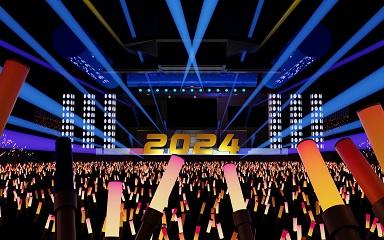
The music industry is continuously evolving, and as we look towards the future, several trends and predictions are anticipated to shape its landscape. A notable shift is the rise of virtual reality (VR) concerts, which offer fans immersive experiences that go beyond traditional live performances. In 2026, VR technology has reached significant heights, allowing artists to connect with fans globally without the constraints of physical venues. This trend not only democratizes access to live music but also opens up new avenues for revenue generation and fan engagement.
Another emerging trend is the integration of artificial intelligence (AI) in music creation. In recent years, AI has demonstrated its capability to compose music, analyze trends, and generate personalized playlists. As this technology continues to improve, it is likely to play a critical role in aiding artists in their creative processes, perhaps assisting them in generating innovative sounds or even co-creating compositions. This fusion of creativity and technology could lead to new genres and styles that resonate with audiences in unique ways.
Additionally, the interaction between artists and their fans is evolving, thanks to social media and streaming platforms. Artists are now leveraging these channels to foster deeper relationships with their audience, enabling a continuous dialogue that influences their production. This shift in artist-fan dynamics is expected to intensify, with more artists adopting collaborative approaches to songwriting and performance. As we look to the future, it is also essential to highlight the rise of promising new artists who are likely to emerge and innovate the music scene. With the digital landscape evolving, the potential for new talents to break into the mainstream is vast, promising exciting developments in musical artistry.