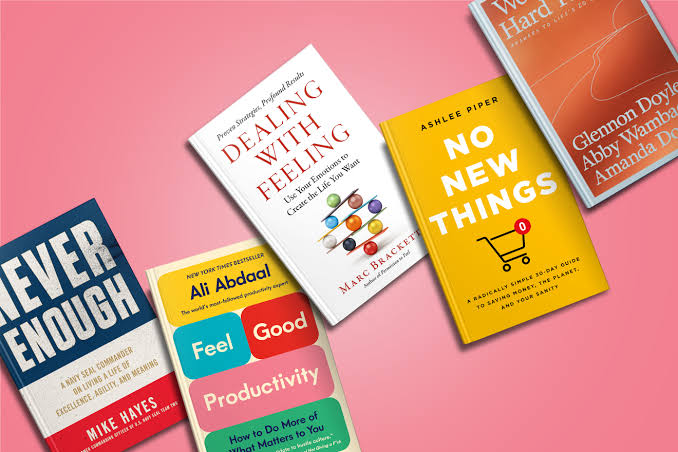

Introduction to Personal Growth Books
Personal growth refers to the ongoing process of self-improvement in various aspects of an individual’s life, encompassing emotional, mental, spiritual, and social dimensions. Understanding personal growth is pivotal as it encourages individuals to assess their current situation, set attainable goals, and strive to realize their full potential. It fosters self-awareness, resilience, and improved well-being, making it a crucial endeavor for many.
Books on personal growth serve as powerful tools in this journey. They provide insights, strategies, and frameworks that readers can adopt to facilitate self-discovery. Through the narratives and lessons shared in these books, readers are inspired to reflect on their own experiences, identify areas for development, and gain new perspectives on life’s challenges. The often transformative stories highlighted in personal growth literature can resonate deeply, providing the motivation needed to enact positive changes.
Moreover, personal growth books enhance skills that are essential for thriving in today’s fast-paced world. They often cover a wide range of topics, such as leadership, emotional intelligence, productivity, and interpersonal relationships. By reading about effective habits and practices, individuals can acquire abilities that improve their professional and personal interactions. Additionally, the consistent exposure to such literature can lead to improved mental and emotional well-being. Engaging with personal growth content can promote greater levels of confidence and clarity, while also reducing anxiety and fostering a more optimistic mindset.
In summary, the journey of personal growth is significant and multifaceted, and the role of books in this process cannot be overstated. They equip readers with the knowledge and inspiration necessary for self-improvement, making them invaluable resources for anyone embarking on the path of self-discovery.
Classics in Personal Development
The genre of personal development is enriched by numerous seminal works that have significantly influenced readers worldwide. Among these, Napoleon Hill’s “Think and Grow Rich” stands out prominently. First published in 1937, this book distills the thoughts and principles derived from interviewing over five hundred successful individuals, including Andrew Carnegie. Hill emphasizes the power of a strong desire, persistence, and a clear vision in achieving one’s goals. One of the central tenets of the book is the idea that thoughts can manifest into reality, hence highlighting the importance of a positive mental attitude.
Another pivotal work in the realm of personal growth is Eckhart Tolle’s “The Power of Now.” Released in 1997, this book offers profound insights into the significance of living in the present moment. Tolle argues that individuals often get trapped in their thoughts, which can lead to anxiety and dissatisfaction. By focusing on the present, readers are encouraged to detach from their mental pillories and experience a sense of peace and stillness. The practical guidance Tolle provides has made the book a favorite among those seeking to alleviate stress while fostering mindfulness.
Both of these classics contribute immensely to the field of personal development. “Think and Grow Rich” inspires readers to redefine success and take actionable steps toward financial independence, while “The Power of Now” guides them towards achieving emotional well-being through present-moment awareness. Together, these books form a foundational duo in understanding not only how to achieve material success but also how to cultivate a fulfilling and mindful existence. Their lessons resonate across generations, making them essential reads for anyone embarking on a journey of personal growth.
Modern Guides to Self-Improvement
In the ever-evolving sphere of personal development, numerous recent publications have emerged that offer valuable insights and practical strategies for self-improvement. One such notable work is “Atomic Habits” by James Clear, which has rapidly gained popularity due to its straightforward approach to fostering lasting change in daily routines. Clear emphasizes the significance of small, incremental adjustments—habits that, combined over time, can lead to substantial results. This focus on manageable, step-by-step processes reflects the needs of readers navigating the complexities of modern life.
Another significant title in the personal growth genre is “The Power of Now” by Eckhart Tolle. Though not a recent work, its resurgence aligns perfectly with contemporary sentiments surrounding mindfulness and self-awareness. Tolle advocates for embracing the present moment, suggesting that being fully engaged in the now can alleviate much of the anxiety stemming from past regrets or future uncertainties. This perspective resonates particularly well with individuals facing the overwhelming pace of the digital age.
Additionally, “Dare to Lead” by Brené Brown explores the intersection of vulnerability and leadership, advocating for authentic leadership styles that emphasize connection and empathy. Brown’s insights are crucial for readers striving to cultivate not only personal growth but also effective leadership qualities in various areas of their lives. The book’s emphasis on courage and resilience serves as a guide in developing both personal and professional relationships.
These modern guides to self-improvement highlight adaptive strategies designed to support individuals seeking to enhance their lives amidst rapid changes. They provide frameworks that prioritize practicality and accessibility, making personal development achievable for a broad audience. As we navigate the complexities of today’s world, such resources become indispensable in our ongoing quest for growth and fulfillment.
Inspirational Biographies and Memoirs
Autobiographies and biographies serve as powerful tools for personal growth, offering insight into the lives of influential figures who have faced challenges and achieved remarkable success. Books like ‘Becoming’ by Michelle Obama highlight not only the journey of a significant public figure but also reflect universal themes of resilience and perseverance. These narratives allow readers to connect deeply with the experiences of others, thereby fostering a greater understanding of their own lives.
One prominent example is the memoir of Nelson Mandela, ‘Long Walk to Freedom.’ Mandela’s story of overcoming apartheid and fighting for social justice exemplifies the strength of the human spirit. His life’s journey underscores the importance of passion, dedication, and commitment to a cause, serving as an inspiration for anyone seeking to make a difference in their own communities. Through such accounts, readers gain insights into developing their attributes while recognizing the power of determination.
Moreover, books like Ellen DeGeneres’s ‘Seriously… I’m Kidding’ bring humor and relatability into the mix, allowing readers to learn valuable lessons about resilience through laughter. These stories often emphasize authenticity, showing that personal growth can stem from embracing one’s true self. As we read about the lives of these influential individuals, we are encouraged to reflect on our own circumstances and the ways we can evolve.
Additionally, the memoirs of individuals like Viktor Frankl, author of ‘Man’s Search for Meaning,’ delve into the depths of the human condition. Frankl’s observations from his experiences in concentration camps focus on finding purpose even in the most challenging situations. This underscores the idea that personal growth can flourish through adversity, encouraging readers to approach their challenges with a growth mindset.
In conclusion, inspirational biographies and memoirs are invaluable resources for those seeking to enhance their personal growth journey. Through the stories of resilience and triumph of notable figures, readers can find motivation and practical lessons to navigate their own paths towards self-discovery and empowerment.
Books on Mindfulness and Mental Well-being
Mindfulness literature has gained immense popularity in recent years, emphasizing its importance in promoting mental well-being and personal growth. A prime example of this genre is “Wherever You Go, There You Are” by Jon Kabat-Zinn. This book serves as an accessible introduction to mindfulness practices, offering readers techniques to cultivate awareness and live in the present moment.
The significance of mindfulness literature lies in its power to transform how individuals manage stress and anxiety. By focusing on the present, readers learn to observe their thoughts and feelings without judgment. This non-reactive approach encourages a healthier response to stressors, which can significantly enhance one’s overall quality of life. Books like Kabat-Zinn’s guide individuals in practical applications of mindfulness, making it easy to integrate these techniques into daily routines.
Moreover, the teachings found in mindfulness texts are not solely theoretical; they provide actionable strategies for incorporating mindfulness into one’s life. Techniques such as mindful breathing, body scans, and sitting meditation are often highlighted as essential practices. These exercises help individuals reconnect with their bodies and emotions, fostering a sense of calm amid the chaotic pace of modern life.
In addition to promoting relaxation, mindfulness literature has shown effectiveness in improving focus and enhancing emotional resilience. Readers often find that by practicing mindfulness, they can better manage their emotional responses and cultivate a more balanced perspective on life’s challenges. Such skills prove invaluable, particularly in high-pressure environments where stress levels can peak.
Ultimately, engaging with mindfulness literature is not merely about escaping stress; it is a pathway to greater self-awareness and personal development. For those seeking to reduce anxiety and cultivate a peaceful mindset, works like “Wherever You Go, There You Are” offer invaluable insights and practical tools to foster growth and improve mental well-being.
Self-Help for Emotional Intelligence
Emotional intelligence (EI) is a critical skill set in today’s interpersonal landscape. It encompasses the ability to recognize, understand, and manage our own emotions while also perceiving and influencing the emotions of others. Developing emotional intelligence can foster better relationships, improve communication skills, and enhance decision-making processes, making it an essential area of focus for personal growth.
One particularly notable resource for enhancing emotional intelligence is the book Emotional Intelligence 2.0, authored by Travis Bradberry and Jean Greaves. This book breaks down the concept of emotional intelligence into actionable insights, providing readers with strategies to refine their emotional skills. The authors emphasize the significance of self-awareness, self-regulation, social awareness, and relationship management as core components of EI. Each of these areas plays a pivotal role in improving interactions with others, which can enhance both personal and professional relationships.
Another commendable title that aids in the journey of emotional intelligence is The Emotionally Intelligent Manager by David R. Caruso and Peter Salovey. This book explores how emotional intelligence can be utilized within managerial and leadership roles, further illustrating the impact that emotional awareness can have on workplace dynamics and team performance.
These books not only define emotional intelligence but also provide practical exercises and examples to help integrate EI skills into daily life. Utilizing such resources can result in significant enhancements in interpersonal skills, leading to more productive interactions. Cultivating emotional intelligence is a vital step towards personal development that holds the potential to transform relationships and improve overall emotional wellbeing.
Building emotional intelligence is a continuous process, supported by comprehensive literature that offers valuable insights and strategies. Engaging with books like Emotional Intelligence 2.0 can serve as a foundational step in this enriching journey.
Practical Guides for Financial Growth and Stability
Financial literacy is an essential aspect of personal development, empowering individuals to make informed decisions about their money, investments, and financial future. One of the most influential books in this realm is Rich Dad Poor Dad by Robert Kiyosaki. This book serves as a guide to understanding the distinctions between assets and liabilities while emphasizing the importance of financial education. Kiyosaki presents two contrasting viewpoints of wealth accumulation through his ‘rich dad’ and ‘poor dad’ narratives, helping readers appreciate the significance of developing a mindset geared toward financial independence.
Mastering financial concepts enables individuals not only to stabilize their finances but also to foster a growth-oriented perspective in other areas of life. Understanding fundamental principles such as budgeting, saving, investing, and managing debt can significantly enhance one’s ability to achieve personal growth. Books like The Total Money Makeover by Dave Ramsey further expand on these financial essentials, guiding readers through practical steps to take control of their financial situations. Ramsey’s approach advocates for a debt-free lifestyle, challenging readers to reshape their habits and adopt a more disciplined financial strategy.
Another title worth mentioning is The Millionaire Next Door by Thomas J. Stanley and William D. Danko. This book investigates how most millionaires live below their means and focus on cultivating wealth through smart financial practices rather than extravagant lifestyles. The insights provided in these books reinforce the idea that financial stability and growth are not merely about earning more money, but rather about making educated choices that nurture long-term financial health.
In an era where financial literacy is often overlooked, investing time in resources dedicated to understanding money management is critical. Engaging with these narratives and practical guides can lay a solid foundation for sustainable personal development, helping individuals align their financial goals with broader aspirations in life. By prioritizing financial education, one can enhance their capability to thrive, ultimately leading to improved overall well-being.
Building Better Relationships through Literature
Books that delve into the realm of personal relationships offer invaluable insights into the dynamics of human interaction. One of the most notable works in this category is ‘The 5 Love Languages’ by Gary Chapman. This book introduces a framework of five distinct ways individuals express and receive love, which include words of affirmation, acts of service, receiving gifts, quality time, and physical touch. By understanding these love languages, individuals can enhance their communication and connection with loved ones.
Chapman’s work is particularly essential for those seeking to improve personal relationships as it encourages readers to identify their own primary love language and that of their partners or family members. This understanding fosters a deeper appreciation of differing perspectives, allowing for more effective and compassionate communication. Through practical examples and relatable scenarios, ‘The 5 Love Languages’ illustrates how miscommunication often arises from an inability to recognize these differing expressions of affection.
In addition to Chapman’s work, other literature such as ‘Crucial Conversations’ by Kerry Patterson and Joseph Grenny can significantly contribute to personal growth within relationships. This book emphasizes the importance of being able to engage in dialogue during high-stakes situations. It provides strategies for maintaining calm and fostering respect, which are crucial for resolving conflicts. The skills learned from such literature can pave the way for more meaningful and productive conversations, thereby strengthening relationships.
Furthermore, works like ‘Men Are from Mars, Women Are from Venus’ by John Gray encourage readers to understand gender differences in communication styles. By comprehending these differences, individuals can navigate their relationships with greater empathy and effectiveness.
Ultimately, engaging with literature focused on personal relationships can equip individuals with the tools necessary for enhancing communication, understanding, and connection with others. As they explore these texts, readers are likely to find strategies that resonate with their own experiences, leading to more fulfilling interpersonal relationships.
Conclusion and Next Steps
As we reflect on the collection of top recommended books for personal growth, it becomes apparent that each title addresses distinct themes pertinent to self-improvement and development. Whether grappling with emotional intelligence, striving for productivity, or seeking insight into effective habits, these books offer valuable perspectives that can guide individuals on their personal growth journeys. The diversity in approaches—from practical strategies to philosophical exploration—ensures that there is something for everyone, catering to various aspects of personal evolution.
Choosing a book that resonates with you is a vital first step in enhancing your personal growth. Assess your current circumstances and areas you wish to improve. From there, selecting literature that aligns with those aspirations can foster meaningful change. Consider priorities such as emotional resilience, career advancement, or interpersonal relationships, as these can influence your choice and engagement with the material.
Moreover, integrating reading into your daily routine can significantly enhance the benefits derived from these enlightening texts. Setting aside specific times for reading—such as early mornings or before bed—can create a consistent habit that leads to greater retention and understanding of the material. Joining a book club or engaging with online reading communities may also provide motivation and support, allowing you to share insights and deepen your learning experience.
Ultimately, embarking on a personal growth journey through literature is a continuous process. By immersing yourself in these recommended books and applying their wisdom, you pave the way for self-discovery and empowerment. Embrace the opportunity for growth that lies within each page, and take the next steps towards a more fulfilled life.