
The most influential design element of the room is the window, as well as the most popular unstyled elements. The walls of most rooms have been painted, floors have been selected, furniture has been placed in place, and there is a window that just is, and which performs its useful purpose of letting light in and adding nothing to the character of the room, and frequently reducing it. The designed room has a blank window that leaves a gap in the eye, which involuntarily goes back to something that is not completed.
What Does That Naughty Nothing Nothing Can.
The Framing Of The Window As An Element.
An opening in the window is a hole in the window. An architectural feature is having a window framed by Curtains at the height of the ceiling, and it extends all the way to the floor with a width that is big enough to cover the wall of the frame on either side of the frame when the Curtains are closed. This is one of the surest visual enhancements of an interior design: it causes the windows to appear larger, the ceilings to appear higher, and the rooms to appear more intentionally arranged. The Window Curtain does not alter the window, but merely alters the relationship of the room to the window.
Lighting, Surface, And Visual Depth.
The Curtain is the only piece of Accent Furniture that occupies the vertical plane at a large scale and moves; most of the room elements do not. Fabrics and window dressings present a fabric texture at the eye level that cannot be duplicated by art hung on the wall or shelves, and a soft movement of the Curtains in the air currents gives a sense of life to a room that inanimate objects cannot provide. This is obtained by embroidered Decorative Curtains, the decoration on which is seen to the eye in an immediate proximity, but which gives a certain luxuriance to the room at a distance.
Types Of Curtains And Their Best Places Of Use.
Living Room And Informal Sheer Curtains.
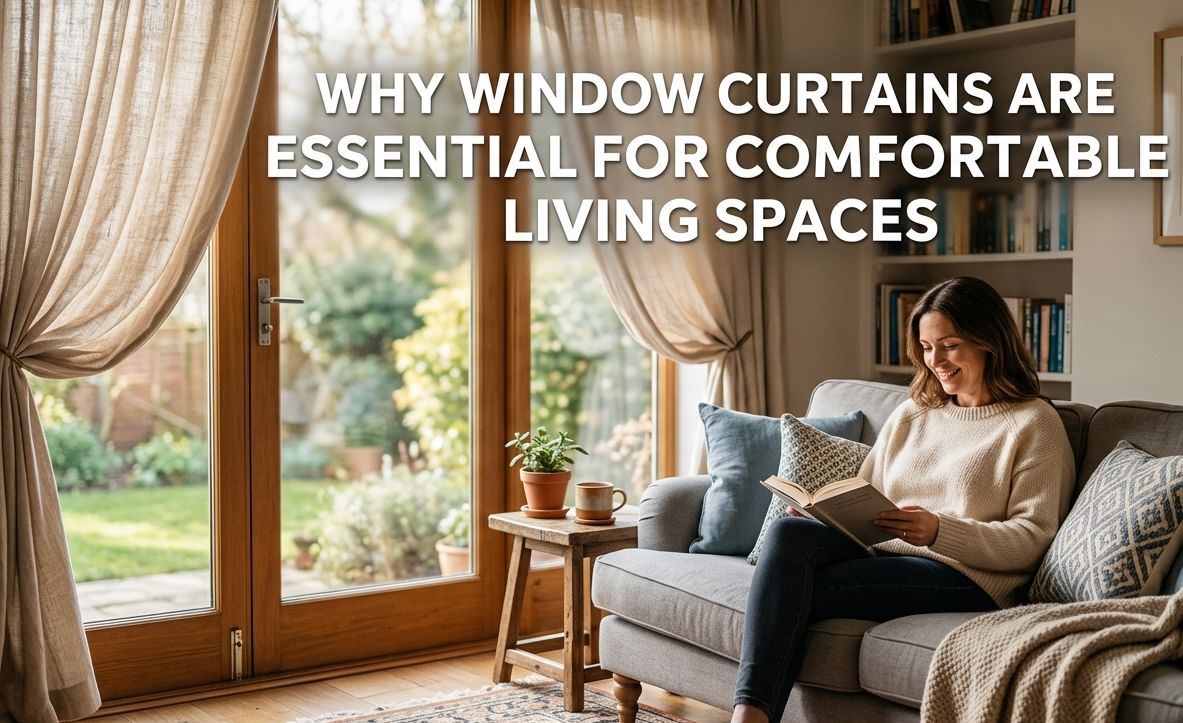
Sheer Curtains have the smallest role to play in the category of window treatment. They enable the natural light to penetrate a room and, at the same time, diffuse the natural light to create the ambient light that makes interiors warm and comfortable, as opposed to being lit up. Sheers, as the main type of curtain treatment,t offer this in the living room where the purpose would be to create a bright, comfortable daytime look where the room can still talk and move around without glare on the screens or eyes.
Sleep Environment And Bedroom Blackout Curtains.
Blackout Curtains mean total light control, and in modern structures, they still preserve the aesthetic feel that the design of the bedroom demands. The blackout curtain line of Madison Park is a response to this, providing the features of blackout through fabric choices, using faux silk with a natural draping air to look luxurious instead of utilitarian, and blending well with the vocabulary of a bedroom space instead of declaring the intent of a blackout curtain.
Ornamental Dining And Other Formal Decorative Curtains.
When used in dining rooms and formal living rooms, where the chief role of the Curtains is ornamental, not light shielding, texture, drape, and appearance may be of more importance than specifications. Embroidered cookies with surface ornament that provides pattern without a printed design are most appropriate to formal spaces: the work is done in the cloth itself, not on the surface of the garment, and thus the Window Panel has something of the handmade character that is the ideal complement to formal furniture and table decorations.
The Right Curtains To The Right Person.
Begin With The Function Of The Room.
The key criteria that can be used to make a reliable curtain selection are the first consideration of the main light and privacy needs of the room. The amount of light filtered in living rooms is usually required to be private in the evening: Sheer Curtains or light filtering Curtains during the day, with the heavier panel to be used in the evening. Bedrooms require real darkness when it is required: the main panel should be Blackout Curtains or almost blackout curtains, which may have a sheer overlay so as not to reveal them completely to the light of day.
Fabric And Tone Match To The Way A Room Should Be.
The Curtain cloth must not be a duplicate of the current materials in the room. A room that contains an abundance of upholstered furniture will take advantage of the light and flowing type of Curtains that gives contrast to the density of the seating. The less cluttered the furniture in a room, the lighter the fabric of the Curtains one can use without the panels taking up too much room.
Dressing Living Room And Bedroom Curtains.
Living Room Curtain Ideas
The most successful results are always achieved when floor-length curtains in a living room are hung at or near the ceiling, regardless of the type of fabric used. The height provides the vertical accent that makes the rooms look taller, and the ceiling-level hanging provides the panels to be part of the architectural part of the room and not a window accessory.
Bedroom Curtain Styling
The bedrooms are advantaged by the various options that contribute to the sleepiness of the room. The ability of the soft fabrics to have a certain level of acoustic density, the straight hanging of the panels without having to adjust them constantly, and the tones that do not conflict with the Bedroom Bedding and wall color but suit them: that is what makes bedroom curtains successful. The curtain collections and bedding collections in Madison Park are coordinated with this in mind, and it becomes easy to choose the window curtain that will go with and not oppose an existing bedroom look.
Comfort Features, Light Control, and Privacy.
Daytime Light Management
One of the most steadily underestimated comfort attributes in home design is the capacity to control the quality of the natural light in a room. Direct sun exposure produces glare, darkens upholstery and flooring, and causes thermal discomfort in south and west-facing rooms during warmer weather. Before this light causes any problem, Sheer Curtains or light filtering panels block this light before it causes a problem and turn it into the low-key, diffused light that makes the interior a place that people would enjoy spending some time.
Sharing Privacy And Thermal Comfort.
Heavy fabrics and Blackout Curtains go hand in hand in dealing with privacy and thermal comfort issues. A thick fabric curtain covering offers a thermal barrier at the window, the area of the greatest heat loss in cold climates and heat gain in hot climates, which causes decreased thermal load on heating and air conditioning in the rooms. The utility value of the room temperature being kept constant is physical and immediately felt. Together with the privacy that opaque panels offer, the practicality of using good Curtains in living rooms and bedrooms goes far past what they contribute in terms of attractiveness to the rooms that they decorate.