
Incorporating DIY wall art into home decoration plays a significant role in showcasing personal style and enhancing the overall ambiance of a space. It allows individuals to express their creativity and preferences, resulting in unique art pieces that cannot be found in traditional retail settings. Each piece of DIY wall art serves as a direct reflection of the creator’s tastes and inspirations, creating an intimate connection between the artwork and those who inhabit the space.
The emotional aspect of producing one’s own art cannot be overstated. When individuals engage in the process of creating wall decor, they often experience a sense of satisfaction and pride. This creates not only a visually appealing environment but also a personal narrative that resonates within the home. DIY wall art has the power to evoke memories and emotions, making spaces feel more inviting and personalized, ultimately turning a house into a home.
Moreover, DIY wall art serves another crucial purpose: it acts as a conversation starter. Guests often feel compelled to inquire about the stories behind each artwork, providing opportunities for meaningful interactions. This elevates the social aspect of the environment, making the space even more engaging for hosts and guests alike. By curating and showcasing personal creations, homeowners can invite their visitors to appreciate the artworks and the sentiments tied to them.
In summary, embracing DIY wall art not only enriches the decor of a home but also fosters a deeper emotional connection and provides opportunities for social engagement. By personalizing their spaces through art, individuals can cultivate an atmosphere that is distinctly their own, making their artistic expressions an integral part of their living experience.
Popular DIY Wall Art Ideas
Creating personalized wall art is a fun way to express one’s creativity while giving a home a unique touch. Numerous DIY wall art ideas cater to various skill levels and can transform any blank wall into a statement piece. One popular idea is framed fabric or paper collages. These can be made using simple materials such as colorful scrapbook paper, fabric remnants, or even old photographs. The process involves cutting shapes, layering them on a backing, and framing the full composition. This approach allows individuals to choose colors and patterns that resonate with their personal style.
Another great option is painting murals or larger-scale artwork. This more complex technique requires a bit of planning, with sketches created beforehand to map out the final design. Using acrylic paints, individuals can create anything from abstract designs to intricate scenes. The materials needed typically include paint brushes, palettes, and paint containers. A mural can be a captivating focal point in any room, lending an artistic vibe to the space.
Using unconventional materials is also an incredible way to craft unique wall art. For example, wooden pallets can be transformed into rustic wall hangings. By sanding and staining or painting, individuals can create stunning pieces that showcase nature or crafted designs. Other materials, such as metal or repurposed items, can also yield impressive results. String art is another trendy option, requiring only nails and thread to create intricate designs by simply wrapping the thread around the nails in various patterns.
These DIY wall art ideas not only enhance the aesthetic appeal of a home but also offer a rewarding hands-on experience. Whether it involves simple collages or creative use of materials, the possibilities are endless, inviting anyone to embrace their inner artist.
Tips for Creating Stunning DIY Wall Art
Creating captivating DIY wall art requires thoughtful consideration of several factors to achieve an impressive outcome. The first step is to choose the right color palette. Consider the existing colors in your room, as the artwork should harmonize with the environment. Use color theory principles to create contrast or cohesion, depending on the desired effect. When selecting colors, focus on how they influence mood; for instance, warm hues can foster energy, while cool tones can evoke calmness.
Balancing textures and materials is also essential for visually interesting wall art. Combining different materials such as wood, fabric, and metal can add depth and dimension. Utilize contrasting textures, such as smooth paint against a rough canvas, to draw attention to the piece. Additionally, incorporating various finishes, like matte and glossy surfaces, can enhance the overall aesthetic appeal while showcasing your creativity.
Spacing plays a crucial role in displaying DIY wall art effectively. When arranging multiple pieces, consider the overall layout. A balanced arrangement anchored by a central piece can create a focal point. Leave adequate spacing between the artworks to ensure each piece stands out without competing for attention. Measuring the space beforehand will allow you to visualize the arrangement better, leading to a more harmonious installation.
Finally, determining how to hang and display your artwork is vital for achieving a lasting impact. Use appropriate hardware for different weights, and ensure the artwork is hung at eye level for optimal viewing. For a more dynamic display, consider using shelves or leaning frames that make it easy to swap out art pieces as your taste evolves. By following these guidelines, you can create stunning DIY wall art that reflects your personality and enhances your home decor.
Where to Display Your DIY Wall Art
Displaying DIY wall art effectively requires a thoughtful approach to ensure it complements the overall decor of your space. Each room in your home offers unique opportunities for showing off your creative projects, enhancing aesthetics, and promoting personal expression.
In living rooms, consider creating a feature wall where your DIY artwork can take center stage. A selection of larger pieces can be arranged in a way that creates visual interest. Incorporating various textures, colors, and styles can result in a striking statement piece that invites conversation. Opt for artwork that reflects your personality or resonates with a theme, such as nature, abstract, or contemporary designs.
In bedrooms, the atmosphere should promote calmness and relaxation. Choose DIY pieces that evoke a sense of tranquility, such as soft color palettes or subtle patterns. Position your artwork above the bed or on a nearby wall where it can be easily appreciated without overwhelming the space. Additionally, consider using framed pieces or canvas prints to elevate the style and keep the aesthetic cohesive.
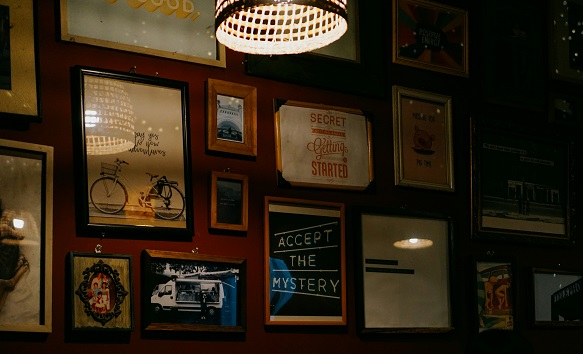
Hallways offer a perfect canvas for a gallery wall. This narrow space can be utilized creatively with an array of different artworks, including smaller pieces, photographs, or three-dimensional art. By using similar frames or a consistent color scheme, you create harmony while allowing for personal expression. Additionally, highlight this wall with appropriate lighting to draw attention to the artwork.
For outdoor areas, DIY wall art can enhance patios or balconies. Weather-resistant materials should be prioritized to ensure durability. Adding oversized murals or hanging pieces can create a vibrant ambience, perfect for social gatherings or peaceful retreats.