

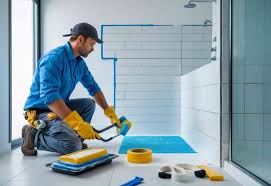

Water damage in bathrooms is one of the most common — and most costly — problems homeowners face. Even a small leak or puddle can gradually weaken your flooring, cause mold growth, and lead to expensive repairs. Bathrooms are exposed to water daily, from showers and sinks to condensation and cleaning, which makes them vulnerable without proper protection. Thankfully, smart homeowners today have access to better products and maintenance practices that can help safeguard their bathroom floors from unnecessary damage.
If you’re looking for an effective way to prevent water from escaping your shower or bath area, a great starting point is to visit https://showerdoorseal.uk. The site offers high-quality seals and shower accessories designed to keep your bathroom dry and your floors protected from leaks.
Understanding How Water Damage Happens in Bathrooms
Bathrooms are built to handle moisture, but not standing water or continuous leaks. Over time, water that escapes through tiny gaps or unsealed areas can seep beneath tiles or flooring materials. When this happens, it softens the subfloor and causes it to warp or rot. You might also start noticing unpleasant odors, mold spots, and cracked grout lines — all signs that water has found its way into places it shouldn’t be.
This damage often develops slowly, so by the time it becomes visible, the repair costs can be substantial. Wooden subfloors, laminate flooring, and drywall are especially susceptible to water absorption. That’s why preventive measures — like installing proper shower seals and ensuring ventilation — are critical for maintaining your bathroom’s structural integrity.
Use Quality Shower Door Seals
A smart homeowner knows that prevention is better than repair. One of the simplest and most effective preventive measures is using a reliable shower door seal. These seals act as a waterproof barrier between your shower and the rest of the bathroom floor, keeping water contained where it belongs.
When you install high-quality seals, you not only prevent puddles but also extend the life of your flooring. Many people underestimate how much water can leak through small gaps under or around a shower door. With consistent use, these gaps allow small amounts of water to escape, which accumulate over time.
Websites like https://showerdoorseal.uk specialize in a range of durable shower seals that fit different door types and thicknesses. These products are easy to install and can make a significant difference in keeping your bathroom dry and clean.
Ensure Proper Bathroom Ventilation
Another major factor contributing to water damage is humidity. Even if your bathroom doesn’t have visible leaks, high humidity levels can lead to condensation on walls and floors. This constant dampness can slowly weaken flooring adhesives, paint, and wood trim.
Installing a good exhaust fan helps maintain air circulation and removes excess moisture from the air. If you already have one, make sure it’s powerful enough for the size of your bathroom and keep it running for at least 15 minutes after each shower. Opening windows or leaving the bathroom door slightly ajar can also help speed up the drying process.
Regularly Inspect Grout and Caulking
Grout and caulk are essential in sealing joints and preventing water from penetrating wall or floor edges. Over time, these materials can crack, shrink, or peel away, especially in areas exposed to heat and moisture.
Smart homeowners should inspect their grout and caulking every few months. If you notice discoloration, gaps, or mold, it’s time to remove and replace them. Fresh caulking and grout not only improve the look of your bathroom but also restore its waterproofing abilities.
When applying a new caulk, make sure the area is dry and clean before sealing. Silicone-based caulk is particularly effective for bathrooms because it remains flexible and resistant to mold growth.
Consider Waterproof Flooring Options
If you’re renovating or upgrading your bathroom, choosing the right flooring material can make a big difference in preventing long-term water damage. Traditional wood or laminate floors may look appealing, but they can swell and warp when exposed to moisture.
Vinyl, ceramic, and porcelain tiles are excellent choices for bathrooms. They are water-resistant, easy to clean, and available in a wide variety of designs that mimic natural wood or stone. Additionally, these materials can be paired with waterproof underlayment to create an extra layer of protection.
Epoxy-coated concrete floors are another modern option that offers durability and complete water resistance. They’re ideal for homeowners looking for a seamless, low-maintenance flooring solution.
Install Shower Curtains or Splash Guards Correctly
Even something as simple as a misaligned shower curtain can contribute to water damage. Curtains that don’t fully cover the shower opening or splash guards that are poorly installed can allow water to escape onto the floor.
Make sure your curtain rod is positioned properly and that the curtain extends inside the bathtub or shower enclosure when in use. If you have a glass shower screen, check that it’s securely sealed along the edges to prevent leaks. Adding a bottom seal strip is a simple but effective fix.
Keep the Bathroom Clean and Dry
Routine cleaning not only maintains hygiene but also helps you spot potential problem areas early. After every shower or bath, use a towel or mop to remove standing water from the floor. Wiping down shower doors and tiles helps reduce mold buildup and prevents moisture from lingering.
Pay attention to corners, baseboards, and the area around the toilet and sink — these are common spots for hidden leaks. A small puddle left unattended can slowly cause big damage over time.
Final Thoughts
Protecting your bathroom floor from water damage doesn’t require costly renovations or complicated tools. With a combination of preventive measures — such as proper ventilation, quality materials, and regular inspections — you can keep your bathroom looking new for years.
For the best results, invest in durable and well-designed shower seals from https://showerdoorseal.uk. The right seal will stop water from escaping your shower, keeping your floors dry and protected. Remember, maintaining a watertight bathroom isn’t just about appearance — it’s about preserving the safety, structure, and value of your home.

