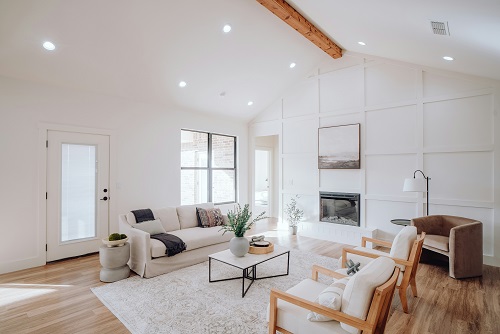

Introduction to Modern Living Room Design
The living room serves as a fundamental area in the home where family and friends gather for relaxation, entertainment, and social interaction. As the first space that guests often encounter, it is crucial that modern living room design reflects both comfort and style. The concept of modern living room design is characterized by a harmonious blend of aesthetics and functionality, aiming to create a welcoming atmosphere that caters to the needs of the inhabitants. In recent years, modern living room design has evolved, moving away from ornate and overcrowded styles towards more streamlined and minimalistic approaches. This shift not only emphasizes the visual appeal of the space but also enhances its usability. A modern living room focuses on clean lines, uncluttered spaces, and a cohesive color palette, which can help foster a calm environment.
Another important aspect of modern design is the thoughtful integration of furniture and decor elements that serve both a practical purpose and contribute to the overall theme of the room. Modular furniture and versatile layouts are often employed to maximize space while adapting to the changing dynamics of everyday life. In doing so, modern living room designs embrace innovation while catering to the evolving needs of contemporary households.
This introduction sets the stage for exploring various modern living room design ideas that emphasize a balance between aesthetic appeal and the practicalities of daily life. As we delve deeper into this topic, we will uncover how modern design principles can create a refined yet functional space that encourages relaxation, connection, and creativity. By considering these design concepts, homeowners can transform their living rooms into stunning focal points that inspire and delight.
Key Elements of Modern Living Room Design
Modern living room design is characterized by its emphasis on simplicity, comfort, and minimalism. The key elements that define this style include furniture choices, color palettes, flooring, lighting, and decor, each playing a vital role in creating a cohesive space.
When it comes to furniture, modern designs typically prioritize clean lines and functionality. Sofas and chairs often feature geometric shapes and neutral upholstery, which contributes to the uncluttered appearance of the room. The pieces tend to be lower to the ground, enhancing the sense of space while maintaining comfort. Additionally, multifunctional furniture such as ottomans with hidden storage or coffee tables that can expand for dining purposes fits well within this design ethos.
The color palette in modern living rooms often revolves around muted tones, such as whites, grays, and earthy colors, allowing the space to feel fresh and inviting. Accent colors can be introduced through decor items like cushions or artwork but sparingly to maintain the minimalist aesthetic. This thoughtful approach to color enhances the overall atmosphere while reflecting a sense of sophistication.
Flooring in modern living rooms often features hardwood or polished concrete surfaces, chosen for their durability and low maintenance. Area rugs are frequently used to define spaces, providing warmth and texture in contrast to the sleek flooring. These elements work in harmony to add depth while adhering to the modern design principle of simplicity.
Lighting is another critical element in modern living rooms, with an emphasis on natural light and sleek fixtures. Large windows are favored, alongside strategic lighting placements, including pendant lights, floor lamps, and recessed lights, to enhance ambiance. Finally, decor should be minimal yet impactful, with artwork that speaks to the homeowner’s personality, thereby not overwhelming the space.
Color Schemes for a Contemporary Feel
When it comes to modern living room design, selecting the right color scheme can significantly impact the overall ambiance and aesthetic. Contemporary living rooms often emphasize minimalism and functionality, and the color palette is a crucial aspect of this approach. Neutral tones such as soft grays, whites, and beiges serve as timeless foundations, providing a serene backdrop that can make spaces feel open and airy. These shades not only enhance natural light but also allow for the incorporation of various textures and materials without overwhelming the senses.
In contrast, bold accent colors can add vibrancy and personality to modern living spaces. Trending colors like deep navy, emerald green, or burnt orange can be used as striking contrasts against a neutral base. These accents can be integrated through various elements such as cushions, artwork, or even a feature wall. The psychological effects of these colors can evoke feelings of calmness, vitality, or warmth, depending on the chosen hue. Therefore, selecting colors that resonate with the desired mood is paramount.
Combining neutrals with these bold accents requires careful planning to ensure harmony. One effective method is the 60-30-10 rule, which suggests using 60% of a dominant neutral, 30% of a secondary color, and 10% of an accent color. This balance creates a cohesive look that showcases modernity while avoiding visual chaos. Additionally, experimenting with different shades and textures within the same color family can build depth and interest, making the living room inviting and stylish.
Furniture Selection and Layout Tips
When designing a modern living room, the choice of furniture is paramount. It is crucial to select pieces that not only exhibit contemporary aesthetics but also offer functionality and sustainability. Opting for furniture made from sustainable materials can significantly reduce environmental impact while enhancing the room’s decor. For example, selecting items crafted from reclaimed wood or certified organic materials provides a tasteful yet eco-friendly approach.
Moreover, multifunctional furniture has gained prominence in the world of modern design. Pieces such as sofa beds, storage ottomans, and extendable coffee tables contribute to maximizing space while ensuring the living room remains stylish and organized. These practical furnishings serve to facilitate various activities, from hosting guests to unwinding after a long day, further adding layers of functionality to the living area.
A well-thought-out layout is also critical in achieving an inviting atmosphere. Start by measuring the dimensions of the living room to select appropriately sized furniture. Choosing a central focal point, such as a coffee table or an entertainment unit, can serve as an anchor around which seating arrangements consolidate. For optimal traffic flow, ensure that there is ample space between furniture pieces, enabling smooth movement throughout the room.
Additionally, clustering furniture in conversational arrangements can encourage interaction and enhance comfort. Pairing a sofa with accent chairs or a loveseat invites guests into a cozy setting, while incorporating side tables offers functional surfaces for decor or drinks. To achieve visual balance, consider varying furniture heights and incorporating elements like rugs or artwork to unify different areas within the living room.
Incorporating Smart Technology
In contemporary home design, the integration of smart technology in living rooms has become a hallmark of modern living. As innovations continue to evolve, many homeowners are embracing smart home technology to enhance both convenience and comfort. One of the most significant aspects of this integration is smart lighting systems. These systems allow users to control the ambiance of their living spaces remotely, providing options for brightness, color, and even automated scheduling. Homeowners can now effortlessly set the mood for various occasions, whether it be for entertaining guests or enjoying a quiet evening.
Another notable addition is advanced sound systems that can seamlessly blend into a modern living room design. Quality audio is vital for creating an immersive experience when watching movies or listening to music. Smart sound systems enable users to connect multiple devices via wireless technology, allowing for easy access to stored media or online streaming services. With features like voice control and multi-room audio, these sound systems support an integrated lifestyle where entertainment options are abundant and easily accessible.
Beyond lighting and sound, the incorporation of further smart technology can significantly elevate the overall functionality of the living room. This includes smart thermostats that adjust the climate based on user preferences and occupancy, enhancing energy efficiency while prioritizing comfort. Additionally, smart security features, such as surveillance cameras and alarm systems, provide peace of mind for residents, complementing the aesthetics of a modern living room.
The strategic integration of these technologies not only enhances the day-to-day living experience but also contributes to a sense of sophistication in modern design. As smart technology continues to advance, it will likely play an increasingly vital role in shaping the future of living room aesthetics and functionality.
Use of Textiles and Patterns
Textiles play a pivotal role in modern living room design, enhancing both the aesthetic and functionality of the space. The right fabrics can introduce warmth and comfort, softening the often stark lines associated with contemporary styling. By incorporating a variety of textures and patterns, homeowners can create a more inviting and personalized environment.
Throws, cushions, and area rugs are excellent starting points for integrating textiles into a living room. These elements can add depth, color, and visual interest. For example, a neutral sofa can be dramatically transformed with the addition of patterned throw pillows in complementary colors. The contrast between the patterns in cushions and the solid surfaces of other furniture offers a balanced visual experience. Furthermore, these textiles can be easily swapped or updated seasonally, providing a flexible way to refresh decor.
The combination of textiles goes beyond just cushions; layering various fabrics in a space can create a sense of intimacy. Consider mixing materials such as cotton, linen, velvet, and wool. A plush velvet armchair paired with a crisp linen throw blanket not only creates a tactile contrast but also adds an appealing visual dynamic. Similarly, area rugs can serve as a foundational textile, delineating spaces within larger rooms while allowing the introduction of patterns and textures from other furnishings.
Careful selection of patterns is essential for achieving harmony in modern living room design. Opting for a mix of geometric shapes, botanical prints, or abstract designs can introduce a contemporary edge. However, maintaining a cohesive color palette among different textiles ensures that the room remains unified and organized. By thoughtfully employing textiles and patterns, homeowners can enhance the comfort and style of their living rooms, resulting in spaces that are both functional and aesthetically pleasing.
Creating a Cohesive Style with Accessories
In modern living room design, accessories play a pivotal role in defining the space’s overall aesthetic. Decorative elements such as artworks, plants, and ornamental pieces not only beautify a room but also express the homeowner’s personality and style. To create a cohesive style, it is essential to select accessories that complement the existing design theme.
When choosing artworks, consider pieces that resonate with the color palette and mood of the living room. Abstract art, for example, can introduce a contemporary feel, while landscape paintings might offer a serene atmosphere. It is advisable to arrange artworks in a balanced manner, using a gallery wall approach or strategically placing them over furniture, such as sofas or side tables, to enhance visual interest.
Incorporating plants into the living room can significantly contribute to a cohesive design. Indoor plants not only add a touch of nature but also improve air quality, promoting a healthier living environment. When selecting plants, consider their size, shape, and color to ensure they harmonize with other decorative elements. Placing plants at varying heights, such as on shelves or pedestals, can create an inviting visual dynamic.
Ornamental pieces, such as vases, sculptures, and decorative pillows, can tie the whole room together. It is crucial to ensure that these items resonate with the chosen color scheme and style. For instance, metallic accents can enhance a modern look, while woven textures can add warmth and comfort. Arrange these accessories in a way that creates layers and depth, avoiding overcrowding by leaving some space to breathe.
Ultimately, accessories are not merely embellishments; they are vital components that enhance the overall appeal and functionality of modern living rooms. Thoughtful selection and arrangement empower homeowners to create a space that embodies their vision and lifestyle.
Sustainable and Eco-Friendly Design Ideas
The modern trend of sustainability has gained significant momentum in residential design, particularly in living room spaces. Homeowners are increasingly seeking to create environments that not only reflect their style but also demonstrate a commitment to eco-friendliness. By integrating sustainable design elements, individuals can achieve stylish interiors while reducing their ecological footprint.
One effective approach to sustainable living room design is the use of eco-friendly materials. Opting for furniture constructed from reclaimed wood, bamboo, or recycled metal can add aesthetic value without compromising environmental ethics. These materials not only provide a unique and rustic appearance but also promote responsible sourcing practices, reducing waste and deforestation.
In addition to sustainable materials, selecting energy-efficient appliances and lighting can significantly enhance the ecological impact of a living room. Energy Star-rated products are designed to consume less energy, which can lead to lower utility bills and a smaller carbon footprint. Incorporating LED lighting options can further contribute to energy conservation while providing stylish illumination for the space.
Moreover, integrating plants into the living room design serves dual purposes: improving indoor air quality and adding a biophilic element to the space. Houseplants such as snake plants, pothos, or peace lilies are known for their ability to filter toxins while requiring minimal maintenance. They can create a serene atmosphere that promotes relaxation and well-being.
Another practical tip for incorporating sustainability into living rooms is to focus on multi-functional furniture. Pieces such as ottomans with storage capabilities or convertible sofas not only save space but also minimize the need for additional furnishings. By carefully selecting versatile items, homeowners can maintain a stylish decor while promoting efficient use of resources.
Ultimately, the integration of sustainable and eco-friendly design practices into modern living room interiors reflects a broader commitment to environmental responsibility, setting a precedent for future generations.
Conclusion: Personalizing Modern Living Rooms
In today’s world, modern living room design is not merely about adhering to current trends or styles; it is inherently about reflecting personal identity and individuality. As such, the concept of personalization within this space is paramount. Homeowners and designers alike are encouraged to create environments that resonate with their unique preferences while aligning with modern design principles. This approach to personalization helps in crafting a living room that is not only functional but also emotionally fulfilling.
When thinking about modern living room design, it is crucial to incorporate elements that speak to one’s taste and lifestyle. This can be achieved through a variety of means—from selecting artwork that resonates on a personal level to choosing furniture pieces that evoke comfort and familiarity. Color schemes also play a significant role; at times, people may opt for bold hues to reflect their vibrant personalities or choose muted tones to establish a calming atmosphere. Therefore, the essence of modern living room design lies in thoughtful curation where every element serves a purpose, yet stays true to personal expression.
Moreover, the integration of custom or heirloom pieces can enhance the aesthetic while transforming a standard living room into a true reflection of home. Textures, patterns, and natural elements such as plants contribute to depth and warmth, making the space feel inviting and lived-in. Ultimately, the journey towards a personalized living room is about striking a balance between modern design aesthetics and personal comfort, ensuring that the space feels uniquely yours.