
When preparing for your first sports training tournament, it is essential to have a thorough understanding of the specific requirements of your sport. Every sport has its unique set of skills, rules, and conditioning needs that aspiring athletes must grasp to perform effectively.
Researching your chosen sport is crucial. Start by watching matches or games to observe techniques, strategies, and the overall dynamics of play. Pay attention to how athletes position themselves, communicate with teammates, and react under pressure. This visual understanding can clarify fundamental skills required for success.
In addition to watching games, reading official rule books is vital. The rules provide a foundation for gameplay and are essential for understanding what is allowed and what constitutes a violation or penalty. Familiarity with the rules will not only help you navigate a tournament better, but it can also enhance your strategic planning during training sessions. If possible, discuss rules with coaches or experienced athletes to gain further insight.
Identifying key skills in your sport is another critical step. For instance, sports like soccer may emphasize dribbling, passing, and shooting, while basketball might focus on shooting accuracy, dribbling speed, and defensive maneuvers. Make a list of skills pertinent to your sport and prioritize them in your training regimen. A well-rounded skill set will prepare you for the multifaceted challenges of competition.
Finally, conditioning for your sport should not be overlooked. Each sport demands different physical capabilities, whether it’s agility, endurance, strength, or flexibility. Tailor your conditioning program to target these specific areas, incorporating exercises that enhance your overall athletic performance. By understanding these varied requirements, you position yourself to train more effectively, leading to improved performance during your first tournament.
Creating a Training Plan
Designing an effective training plan is essential for athletes preparing for their first sports tournament. A well-structured approach not only enhances skills but also substantially improves physical conditioning and performance. First, it is critical to establish both short-term and long-term goals that are aligned with the overall objectives of the tournament. Short-term goals can focus on specific skills, tactics, or physical attributes you aim to refine in the weeks leading up to the competition. Long-term goals should encompass your aspirations for the tournament and any subsequent competitions.
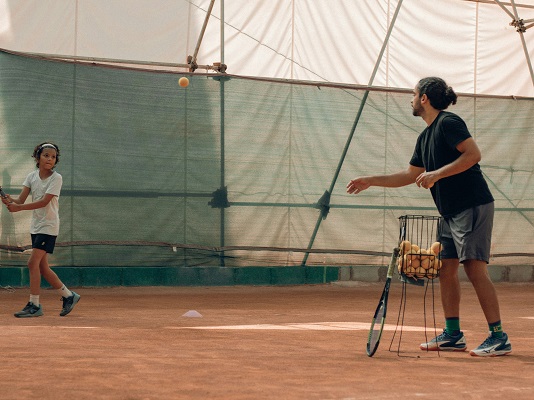
The training regimen must encompass various aspects of athletic development, including technical drills, tactical training, and physical conditioning. Technical training involves practicing the fundamental skills of the sport, such as dribbling in basketball or serving in tennis. Tactical training, on the other hand, emphasizes understanding game strategies and situational responses. Incorporating both elements into a training plan increases versatility and adaptability during matches, which is vital for performance.
Physical conditioning provides the foundation for all athletic endeavors. A balanced training plan should include cardio, strength training, and flexibility exercises. Cardiovascular workouts improve endurance, while strength training enhances overall power. Flexibility and mobility routines, such as stretching or yoga, prevent injuries and aid in recovery. To maintain optimal focus and physical health, strategically integrating rest periods into the training schedule is crucial. Adequate recovery allows the body to rebuild and strengthen, thereby avoiding burnout and injury.
In summary, creating a comprehensive training plan that balances skill development, physical conditioning, and adequate recovery is pivotal for success in your first sports tournament. By systematically approaching your training, you can enhance your overall performance and maximize your competitive potential.
Practice and Evaluation Techniques
In preparing for your first sports training tournament, effective practice techniques are essential in honing your skills and building your confidence. Engaging in structured drills that focus on specific areas of your performance can be vital. These drills not only enhance your technical abilities but also allow you to develop muscle memory, which is crucial during competitive situations. For example, if you are participating in soccer, practicing dribbling, passing, and shooting drills will bolster your fundamental skills and prepare you for the dynamics of a match.
Alongside drills, scrimmages present an excellent opportunity to simulate real game conditions. By participating in controlled match situations with teammates, you gain valuable experience in strategy, teamwork, and communication. Such practice also allows you to test the progress made during your individual training sessions. Scrimmages can highlight areas where you excel, as well as aspects needing improvement, thereby paving the way for targeted practice sessions.
Furthermore, the importance of feedback sessions cannot be overstated. Regularly seeking input from coaches or more experienced peers can provide a different perspective on your performance. Useful feedback identifies strengths and weaknesses, which can guide your future practice. Self-assessment is another critical tool in this process. After each practice, reflecting on your performance allows you to evaluate your efforts and determine which skills require further development.
A modern approach to evaluation involves filming your training sessions. Recording practices enables you to watch your playing style from an outside perspective, making it easier to identify errors. By analyzing these recordings, you can observe both good practices and mistakes that may not be apparent during real-time play. This technique facilitates focused practice on specific areas needing enhancement, ensuring that you are well-prepared when the tournament day arrives.
Mental Preparation and Tournament Strategy
Preparing for your first sports training tournament encompasses not only physical training but also mental readiness. Athletes often overlook the psychological components of preparation, yet they play a crucial role in performance. Building confidence and managing stress are vital factors that can significantly influence performance on the day of the tournament.
One essential technique for mental preparation is visualization. Athletes should spend time imagining different scenarios they might face during the competition. This practice involves mentally rehearsing various aspects of the sports event, such as executing specific skills, strategizing against opponents, and managing unfavorable situations. Visualization helps athletes create a mental blueprint of their ideal performance, thus fostering familiarity and comfort with the upcoming challenges.
Establishing a pre-tournament routine is also important for creating a sense of security and focus. This routine can include physical warm-ups, mindfulness exercises, or positive affirmations, all designed to transition an athlete’s mindset into competition mode. Consistency in this routine builds familiarity, allowing athletes to enter the tournament feeling prepared and confident.
Moreover, developing a game plan tailored to the competition setting can enhance an athlete’s approach. Understanding the strengths and weaknesses of both the athlete and their opponents helps in formulating effective strategies. Coaches can assist in devising plans based on anticipated scenarios, ensuring athletes feel equipped to make informed decisions during intense moments of competition.
Ultimately, focusing on mental preparation through visualization, establishing a pre-tournament routine, and developing a strategic game plan will lay the groundwork for success. This comprehensive mental approach ensures athletes enter their first tournament with confidence and clarity, ultimately leading to improved performance on the field or court.