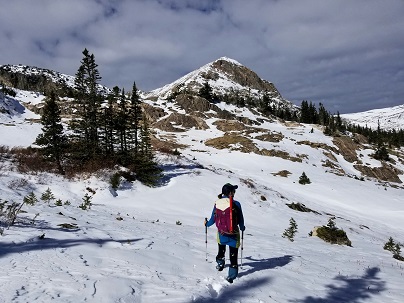

Trekking in Northern Areas is an adventurous outdoor activity that involves walking through natural landscapes, often in remote or rural areas. It serves as an excellent way to explore nature while engaging in physical activity. The northern areas, renowned for their breathtaking beauty, provide an exceptional backdrop for trekking enthusiasts. This region is characterized by towering mountains, lush valleys, and pristine lakes, offering diverse ecosystems and unique geological formations.
The landscapes in the northern areas are not just visually stunning; they are also home to a variety of flora and fauna that enhance the trekking experience. From the majestic peaks of the Himalayas to the rolling hills adorned with wildflowers, trekkers can immerse themselves in nature’s grandeur. The rich biodiversity found in these areas makes them a prime location for ecotourism, where trekkers can observe wildlife in their natural habitats.
In addition to its natural beauty, the northern areas boast a rich cultural heritage. Trekkers have the opportunity to interact with local communities, experiencing their customs and traditions firsthand. This cultural engagement can enrich one’s trekking experience, providing insights into the lives of the people who inhabit these stunning landscapes.
The popularity of trekking in the northern areas has surged among adventure enthusiasts, attracting individuals from all walks of life. As people increasingly recognize the benefits of this outdoor activity, many are drawn not only by the thrill of adventure but also by the advantages it brings to physical fitness and mental well-being. Trekking serves as an excellent cardiovascular workout while promoting mental clarity and reducing stress levels.
The combination of awe-inspiring landscapes, diverse ecosystems, and rich cultural experiences makes trekking in the northern areas a unique and fulfilling endeavor. This activity not only allows individuals to connect with nature but also fosters a sense of adventure and exploration.
Essential Preparations for Trekking
Embarking on a trekking adventure in northern areas necessitates comprehensive preparations. The first aspect to consider is selecting the right gear. Quality trekking shoes are essential; they provide support, traction, and comfort over varied terrains. Additionally, a durable backpack should be selected, ensuring it fits well and can accommodate all necessary items without being overly cumbersome. Proper clothing is equally important; using moisture-wicking and weather-appropriate materials can significantly enhance your trekking experience.
Physical fitness and training cannot be overstated in their importance. Before tackling challenging treks, engaging in a structured fitness regimen that improves cardiovascular endurance, strength, and flexibility will greatly benefit trekkers. Activities such as hiking, jogging, and strength training can prepare the body for the physical demands of trekking.
Packing essentials is another crucial element of preparation. Ensure you include sufficient food and water; energy bars, nuts, and dried fruits are excellent options that provide quick energy and can be compactly stored. A reliable water filtration system or purification tablets is advisable to stay hydrated throughout the trek. Remember that securing permits for certain trekking routes is often mandatory; familiarize yourself with the rules and obtain the necessary permissions beforehand.
Furthermore, it’s vital to research the trekking routes you plan to take. Understanding the terrain, weather conditions, and any potential hazards will help establish realistic expectations and enhance safety. Common errors made by beginners include underestimating the challenges of the trek, failing to pack adequate supplies, and neglecting to consider their fitness levels. To avoid such pitfalls, invest time in thorough planning and preparation. This ensures not only a safe and enjoyable trekking experience but also minimizes potential risks associated with trekking in unfamiliar areas.
Safety and Navigation Tips
Trekking in the northern areas offers breathtaking landscapes and enriching experiences, but it also comes with a range of safety considerations. Understanding the local weather conditions is paramount. Climatic changes can be abrupt in mountainous regions, making it essential to check forecasts and prepare for unexpected weather scenarios. Always carry proper clothing to protect against rain, cold, or heat, depending on your trekking route.
Altitude sickness is another critical concern for trekkers. It can occur at elevations above 8,000 feet and can manifest through symptoms such as headaches, nausea, and dizziness. To minimize risk, ascend gradually and stay hydrated. If symptoms worsen, it is vital to descend promptly.
Effective navigation is crucial for a successful trekking experience. Familiarizing yourself with maps is basic, but carrying travel GPS devices can enhance your ability to track your location in unfamiliar territory. Ensure that you understand how to use these tools before embarking on your trek. Also, learning compass skills can be invaluable, especially if electronic devices fail.
When deciding between trekking solo or in a group, consider the benefits of each. Group trekking often provides safety in numbers, encourages shared knowledge, and enhances motivation. However, solo trekking allows greater independence but entails higher risks. Regardless of your choice, always develop an emergency plan. This includes establishing clear communication methods with your group or, if trekking alone, letting someone know your itinerary.
It is imperative to inform a friend or family member of your trekking plans. Provide details about your route, expected duration, and check-in times. This ensures that someone is aware of your whereabouts and can act promptly if your return is delayed. Being prepared and informed plays a vital role in ensuring a safe trekking adventure in the northern areas.
Exploring the Cultural and Natural Wonders
Trekking in the northern areas offers adventurers an unparalleled opportunity to immerse themselves in the unique cultural and natural wonders of the region. The landscapes are breathtaking, featuring towering peaks, lush valleys, and diverse ecosystems that host a variety of flora and fauna. Trekkers can encounter unique wildlife, including species such as the Himalayan tahr, snow leopard, and various birds endemic to this region. These encounters not only create memorable experiences but also enhance one’s understanding of biodiversity and conservation efforts in the area.
As trekkers navigate popular routes such as the Baltoro Glacier trek or the Fairy Meadows hike, they traverse through stunning environments that are rich in natural beauty and offer numerous chances to observe the local wildlife. Exploring these trails allows trekkers to appreciate not only the landscapes but also the intricate interconnections between the environment and the local culture.
Interaction with local communities plays a vital role in the trekking experience. The northern areas are often inhabited by indigenous peoples who have maintained their traditions and lifestyles for centuries. Trekking in these regions presents a valuable opportunity to engage with locals, learn about their customs, and appreciate their way of life. However, it is essential for trekkers to practice cultural sensitivity throughout their journey. Respecting local traditions, such as asking permission before taking photographs, or being mindful of dress codes in certain areas, fosters respectful interactions and promotes a positive experience.
Engaging respectfully with different cultures can significantly enhance the trekking experience. Trekkers are encouraged to learn a few basic phrases in the local language, participate in cultural festivals, or even share meals with local families. By doing so, one not only enriches their personal journey but also contributes to the preservation of local cultural identities.