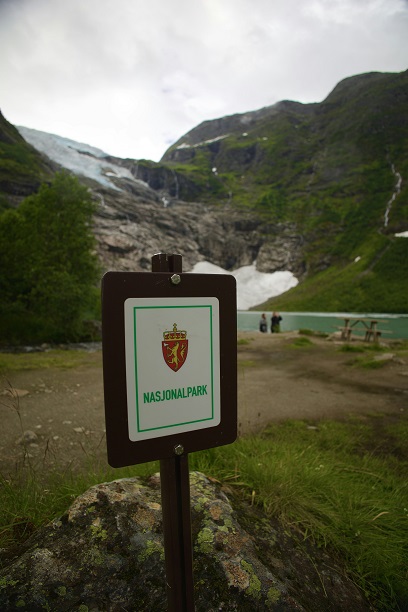

National parks are designated areas of protected land that play a crucial role in preserving the natural beauty, wildlife, and biodiversity of our planet. Established with the intention to conserve and protect unique ecosystems, national parks host a variety of flora and fauna that might otherwise be endangered by urbanization and other human activities. The inception of national parks dates back to the late 19th century, with Yellowstone National Park, founded in 1872, being the first in the United States and, indeed, the world.
The primary purpose of national parks extends beyond mere enjoyment and extends to conservation, education, and recreation. They serve as vital sanctuaries for wildlife, allowing species to thrive in their natural habitats and contributing to the overall health of the environment. These natural landscapes act as living laboratories for scientific research, enabling ecologists and biologists to study ecosystems and biodiversity, which are fundamental to understanding our world.
Visitors to national parks can engage in a multitude of activities, ranging from hiking, camping, and wildlife viewing, to photography and educational programs. This immersion into nature offers them an enriching experience that fosters a deep appreciation for the great outdoors. Family outings, solo adventures, or group excursions can all be enhanced by the awe-inspiring vistas and serene settings provided by national parks. Moreover, visiting these parks can instill a sense of responsibility towards protecting these natural resources for future generations.
Top National Parks for 2023
As the world continues to embrace nature, national parks are becoming increasingly popular destinations for outdoor enthusiasts. For 2023, several parks stand out due to their unique features, abundant activities, and picturesque landscapes. This curated list highlights some of the must-visit national parks, along with their prime attractions and the best times to visit.
Yellowstone National Park is renowned for its geothermal features and diverse wildlife. Spanning across Montana, Wyoming, and Idaho, this iconic park is home to the famous Old Faithful geyser and colorful hot springs. The best time to visit Yellowstone is from late spring to early fall, when the wildlife is most active.
Yosemite National Park, located in California, offers stunning granite cliffs, breathtaking waterfalls, and ancient giant sequoias. Visitors can engage in a variety of activities such as rock climbing, hiking, and photography. The park is particularly beautiful in late spring when the waterfalls are at their peak flow, making it an optimal time for exploration.
Another key destination is the Grand Canyon National Park in Arizona, famous for its immense size and intricate landscapes. The canyon’s layers of colorful rock provide a stunning vista, and visitors can enjoy hiking along its many trails or taking a rafting trip down the Colorado River. Late spring and early fall are ideal for visiting, as temperatures are more temperate.
Zion National Park, nestled in Utah, features dramatic cliffs and narrow canyons. Known for its scenic drives and hiking trails, Zion attracts those seeking adventure among its stunning landscapes. Spring and fall are recommended for visiting when temperatures are comfortable and the park is less crowded.
These national parks, along with many others, continue to draw visitors seeking natural beauty and outdoor experiences. Each park offers a range of activities, ensuring that every visitor can enjoy what makes these locations special. Planning a trip to one of these must-visit parks in 2023 is an excellent opportunity to connect with nature and create lasting memories.
Tips for Visiting National Parks
Visiting national parks can be a rewarding experience, but proper planning is essential to ensure a smooth and enjoyable trip. One of the most critical tips is to choose the best time to visit. While every season offers unique beauty, consider visiting during shoulder seasons like spring and fall to avoid the summer crowds. These periods often provide milder weather and fewer visitors, enhancing your experience.
Weather conditions in national parks can change rapidly, so it is vital to prepare accordingly. Check the forecast before your trip and pack layers to accommodate shifting temperatures. Waterproof gear, such as jackets and pants, is also helpful in case of unexpected rain. Additionally, sturdy footwear is essential for hiking on varying terrains.
Safety should always be a priority when exploring national parks. Familiarize yourself with the trails and their difficulty levels. Carry a map or GPS device, and inform someone of your itinerary. When hiking, remain on established trails to minimize the impact on the environment. In addition to avoiding dangerous areas, understanding wildlife behavior is crucial. Keep a safe distance from animals and never feed them; this preserves their natural instincts and keeps both visitors and wildlife safe.
Following park regulations is not only about personal safety but also protecting the natural environment. Leave no trace by taking your litter with you, staying on trails, and respecting wildlife habitats. Many parks offer signs and brochures outlining these rules. For photography enthusiasts, early mornings or late evenings provide the best light, and scenic viewpoints can often be found within the park maps. Lastly, consider packing essential items such as water, snacks, a first aid kit, and a camera to capture the stunning landscapes and wildlife encounters you will experience.
Conclusion and Encouragement to Explore Nature
In an increasingly fast-paced world, the importance of connecting with nature cannot be overstated. National parks offer a unique sanctuary where individuals can escape their daily routines, breathe in the fresh air, and immerse themselves in the beauty of the natural environment. These protected areas serve not only as recreational spaces but also as critical habitats that support biodiversity and preserve delicate ecosystems.
Visiting a national park contributes significantly to personal well-being. Studies have shown that spending time in nature can reduce stress, elevate mood, and lead to improved physical health. Whether it involves hiking scenic trails, camping under starlit skies, or simply enjoying a peaceful picnic, these outdoor experiences allow visitors to recharge while fostering a deeper appreciation for the beauty of our planet.
Moreover, by choosing to explore national parks, individuals play a vital role in supporting conservation efforts. Entrance fees and donations help fund vital programs aimed at protecting wildlife, maintaining trails, and preserving landscapes for future generations. Every visit siphons funds back into the environment and reinforces the commitment to safeguarding these natural treasures.
As the year unfolds, this is your call-to-action: make a plan to visit one of the best national parks highlighted in our guide, and indulge in the serenity that nature has to offer. Explore, interact, and share your experiences with fellow nature enthusiasts in your community. Encouraging others to engage with the outdoors not only deepens one’s connection to nature but also fosters a collective responsibility to protect these precious places. Together, we can nurture a community that celebrates and advocates for the wonders of our national parks.