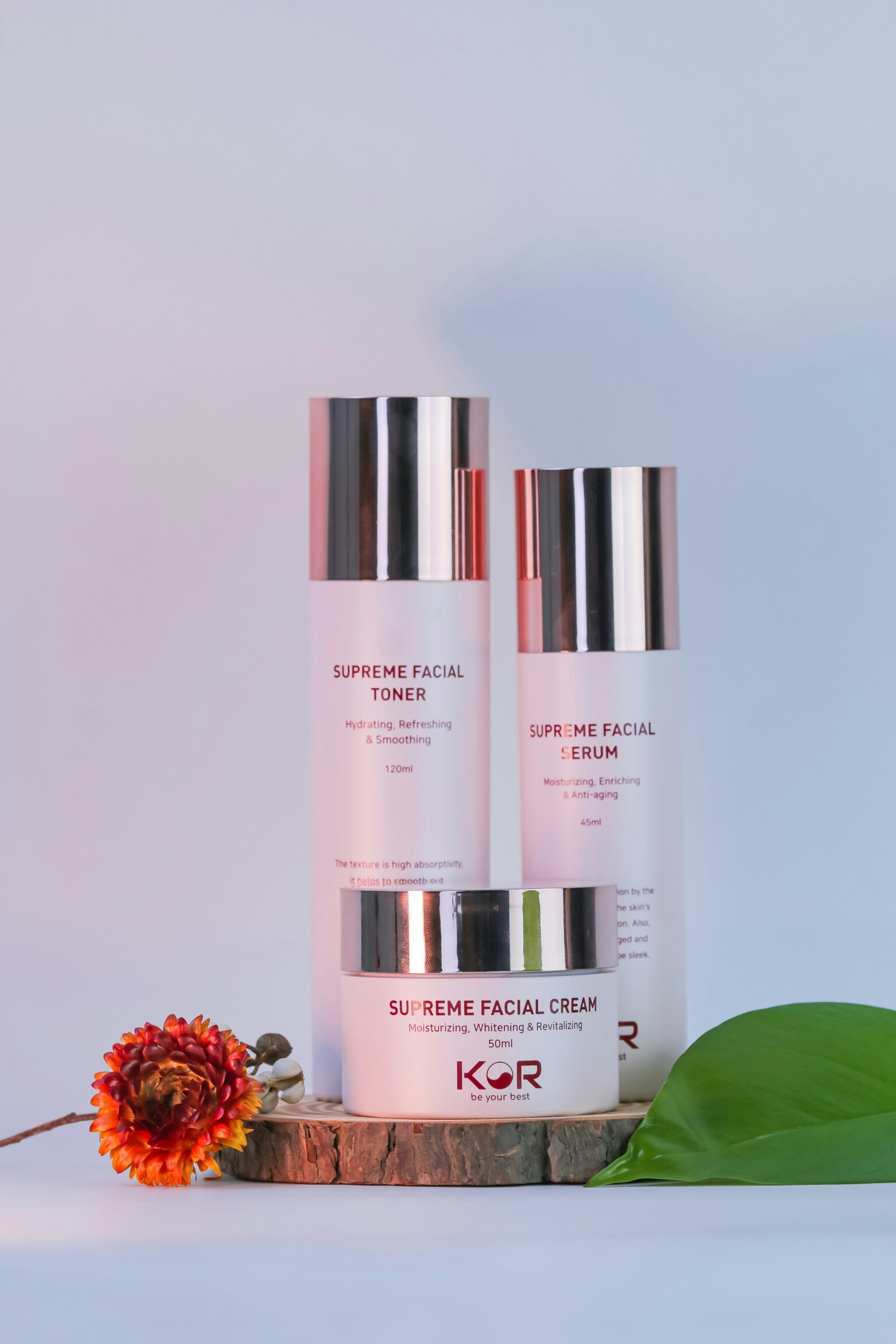

Understanding Your Skin Type
To effectively care for your skin, it is essential to first identify your skin type. The five primary skin types include normal, oily, dry, combination, and sensitive skin. Understanding these categories enables individuals to tailor their skincare routines for optimal results.
Normal skin has a balanced texture, with neither excessive oiliness nor dryness. Characterized by few blemishes and an even tone, normal skin is often deemed the ideal skin type. In contrast, oily skin produces an abundance of sebum, which can lead to shiny appearances and a higher likelihood of acne breakouts, necessitating a skincare routine that focuses on minimizing excess oil.
Dry skin, on the other hand, lacks moisture, leading to a rough or flaky texture. Individuals with dry skin may find that lightweight products worsen dryness, making it essential to select creams and serums that provide intense hydration. Combination skin can present unique challenges, as areas like the T-zone (forehead and nose) may be oily while the cheeks remain dry. An effective routine for combination skin involves balancing the contradictory needs.
Sensitive skin is prone to irritation and redness, which can be exacerbated by environmental factors or certain products. Recognizing sensitivity is crucial, and individuals with this skin type should choose gentle, hypoallergenic products to avoid adverse reactions.
To determine your skin type, consider conducting a simple test. After cleansing your face, wait around an hour without applying any products. Observe how your skin feels; if it appears shiny across most areas, you likely have oily skin. Conversely, if your skin feels tight or looks flaky, you may have dry skin. For those noticing oil in the T-zone and dryness on the cheeks, combination skin is likely. Taking the time to accurately identify your skin type will pave the way for an effective skincare regimen tailored to your unique needs.
The Importance of a Consistent Routine
Having a consistent skincare routine is paramount to achieving and maintaining healthy skin over time. Experts in dermatology emphasize that regular and well-structured skincare practices help prevent a myriad of skin issues, ranging from acne and dryness to premature aging and discoloration. Adopting a dedicated regimen not only reinforces the skin barrier but also supports its ability to defend against environmental stressors and reduces the likelihood of inflammatory responses.
One of the principal benefits of consistency in skincare is the promotion of skin vitality. Regularly cleansing, exfoliating, and moisturizing can significantly enhance the skin’s texture and appearance. According to dermatologists, when products are used sporadically, the skin cannot fully benefit from their active ingredients. Over time, a disciplined approach ensures that these beneficial formulations work synergistically to improve overall skin health.
An effective routine should be tailored to individual skin types, which vary significantly among individuals. For instance, someone with oily skin may require a routine that focuses on controlling excess sebum production, while individuals with dry skin would benefit from products designed to enhance hydration. However, the underlying principle remains consistent: adherence to a daily skincare regimen is crucial.
Moreover, maintaining regularity in skincare practices fosters the development of healthy habits. Experts note that the psychological aspect of routine is equally important, as dedicated self-care rituals can improve mental well-being and self-esteem. This holistic approach boosts confidence and promotes a deeper connection with personal health.
In conclusion, investing the time into a consistent skincare routine not only leads to physical improvements in skin quality but also benefits emotional and mental resilience. The collective expert consensus is clear: prioritize daily skincare habits to achieve long-lasting, radiant skin.
Morning Skincare Essentials
The morning skincare routine is pivotal in preparing the skin for the day ahead. Skin experts identify several essential steps that should be incorporated into this routine to promote overall skin health, hydration, and protection.
First and foremost, cleansing is crucial. A gentle cleanser helps remove any impurities that have accumulated overnight while maintaining the skin’s natural moisture barrier. Look for products that cater to your skin type; for instance, gel-based cleansers work well for oily skin, whereas creamy formulas are best suited for dry skin.
After cleansing, toning becomes a vital step in a balanced morning skincare routine. Toners can help restore the skin’s pH balance, remove leftover impurities, and prepare the skin for subsequent products. Ingredients such as witch hazel or rose water are popular among professionals for their soothing and hydrating properties.
Moisturizing follows toning and is essential for keeping the skin hydrated throughout the day. A lightweight moisturizer is recommended for daytime use, especially one with hyaluronic acid or glycerin, as they attract moisture and provide long-lasting hydration Anything applied over that layer should work with it rather than against it, which is why a hydrating cushion foundation suits dry and combination skin better than a heavy matte base that can cling to flaky patches by midday. without feeling heavy on the skin.
Finally, the application of sunscreen is non-negotiable. Despite the weather, daily application of broad-spectrum sunscreen protects the skin from harmful UVA and UVB rays. Experts advise choosing a sunscreen with at least SPF 30 and applying it generously to all exposed areas, including the face, neck, and ears. A mineral-based sunscreen with zinc oxide or titanium dioxide is often recommended for its skin-friendly properties.
By adhering to these key components of a morning skincare routine—cleansing, toning, moisturizing, and sun protection—you can cultivate healthy skin that is well-prepared to face the day.
Evening Skincare Ritual
An effective evening skincare routine is crucial for maintaining healthy skin, allowing for repair and rejuvenation during the night. The first essential step is double cleansing, a method widely recommended by dermatologists. On the surface, this technique involves using an oil-based cleanser to remove makeup, sunscreen, and other impurities that accumulate throughout the day. Following this, a water-based cleanser helps to eliminate any residual dirt and excess oil. Together, these steps ensure that the skin is perfectly clean and prepared for the following treatments.
After cleansing, treating specific skin concerns becomes paramount. This includes applying serums or treatments targeted for issues like dryness, acne, or signs of aging. For instance, incorporating a serum rich in hyaluronic acid can dramatically enhance hydration levels, while retinol-based products may be used to promote cell turnover and reduce fine lines. It is essential to apply these treatments according to individual skin types and concerns, ensuring that ingredients effectively penetrate the skin for optimal results.
Overnight hydration and skin repair cannot be overstated. The skin’s natural barrier is particularly receptive to nourishing ingredients during the night, making this the ideal time to apply rich moisturizers or overnight masks. Utilizing products infused with ingredients like niacinamide or peptides can further support the skin’s repair processes, helping to improve texture and elasticity. Additionally, using an eye cream can aid in addressing puffiness and dark circles, common issues experienced overnight.
In summary, a well-structured evening skincare ritual encompassing double cleansing, targeted treatments, and intensive hydration is key to achieving and maintaining healthy skin. By prioritizing these evening steps, individuals can enhance skin health effectively and set the foundation for a radiant complexion every morning.
5. The Role of Exfoliation
Exfoliation plays a crucial role in maintaining healthy skin and promoting an even skin texture. By removing the buildup of dead skin cells on the surface, exfoliation helps to reveal fresh, vibrant skin underneath. This process stimulates cell turnover, improving the overall appearance and texture of the skin. Incorporating exfoliation into your skincare routine can lead to enhanced radiance, reduced dullness, and a more youthful complexion.
Experts recommend identifying an exfoliation method that works best for your skin type and concerns. There are primarily two types of exfoliants: chemical and physical. Chemical exfoliants often contain active ingredients like alpha-hydroxy acids (AHAs) or beta-hydroxy acids (BHAs) that dissolve dead skin cells and promote cellular renewal without the need for scrubbing. On the other hand, physical exfoliants involve the use of granular substances like sugar, salt, or exfoliating beads that manually slough off the dead skin cells through gentle scrubbing. Each type has its advantages and potential drawbacks, making it essential to choose based on your individual skin needs.
When it comes to frequency, various factors come into play, including your skin type and the specific exfoliation products used. Generally, individuals with sensitive skin may benefit from exfoliating once a week, while those with oilier skin types might find two to three times a week is more effective. It is vital to listen to your skin; over-exfoliating can lead to irritation, redness, or even breakouts. Additionally, following up with a good moisturizer after exfoliation can help to maintain the skin’s hydration and barrier function.
Ultimately, integrating a well-planned exfoliation strategy can enhance not only your skin’s texture but also its overall appearance, creating a smooth and illuminating canvas for subsequent skincare steps.
Targeted Treatments for Specific Concerns
Addressing specific skin concerns requires a tailored approach, and targeted treatments serve as a crucial component of an effective skincare routine. Many individuals experience issues such as acne, hyperpigmentation, fine lines, and dryness. Understanding how to strategically incorporate treatments designed for these concerns can lead to significant improvements in skin health and appearance.
For acne, look for products that contain salicylic acid or benzoyl peroxide. These ingredients work by unclogging pores and reducing inflammation, thereby helping to clear existing breakouts and prevent new ones. Additionally, incorporating niacinamide can provide further benefits, as it helps regulate oil production and soothe irritated skin. Applying these treatments directly to affected areas can enhance efficacy, and it is advisable to start with a lower concentration to gauge skin tolerance.
Hyperpigmentation, which can result from sun exposure or previous acne scars, can benefit from treatments containing ingredients such as vitamin C, licorice extract, or hydroquinone. Vitamin C is known for its brightening properties and for promoting an even skin tone, while licorice extract serves to diminish dark spots and improve overall radiance. Incorporate these treatments both during the day and night, ensuring that sunscreen is always applied during the day to protect the skin from further discoloration.
For those experiencing fine lines, retinol remains a gold-standard ingredient. Retinol encourages cell turnover and stimulates collagen production, which can visibly reduce signs of aging. Starting with a lower concentration and gradually increasing usage can help mitigate any initial irritation often associated with retinol. Maintaining moisturized skin is equally important, so selecting a hydrating serum containing hyaluronic acid can complement retinol treatments effectively.
Finally, combating dryness requires a focus on hydrating ingredients, such as glycerin and ceramides. These substances help to lock in moisture and restore the skin’s barrier. Incorporating these targeted treatments into your everyday skincare regimen can support your pursuit of healthy, radiant skin.
The Power of Hydration
Maintaining adequate skin hydration is fundamental to achieving and preserving healthy skin. Hydration influences the skin’s overall appearance, texture, and elasticity. When skin is properly hydrated, it exhibits a youthful glow and maintains its natural barrier functions, providing protection against environmental stressors. Conversely, dehydrated skin can lead to a myriad of issues, including dryness, flakiness, and premature aging.
There are various effective methods to keep the skin hydrated. The use of serums and moisturizers specifically formulated for hydration is essential. Serums with hyaluronic acid, for instance, attract moisture to the skin and are particularly beneficial for delivering intense hydration. Meanwhile, rich, emollient moisturizers form a barrier that locks in moisture, helping to maintain hydration levels throughout the day. It is crucial to select products that cater to individual skin types; a lighter, gel-based moisturizer may suit oily skin, while a cream-based product may be more appropriate for dry skin.
Expert recommendations emphasize the importance of layering hydration, especially in skincare routines. Starting with a hydrating toner can help prep the skin for serums and moisturizers, ensuring optimal absorption of ingredients. Additionally, drinking plenty of water and incorporating hydrating foods—such as cucumbers, oranges, and leafy greens—into one’s diet also plays a vital role in external hydration. Using humidifiers, particularly in dryer climates, can further support skin hydration levels.
In summary, hydration is pivotal not only for achieving a luminous complexion but also for ensuring skin resilience. By integrating proper hydrating products and practices into your routine, you can effectively combat dryness and enhance overall skin health.
Lifestyle Factors that Affect Skin Health
Maintaining healthy skin goes beyond just the products applied externally; various lifestyle factors play a crucial role in determining overall skin health. One of the most significant influences is diet. A balanced diet rich in vitamins, minerals, and antioxidants is essential for skin vitality. Consuming plenty of fruits, vegetables, whole grains, and healthy fats can provide the nutrients necessary to combat oxidative stress, which may contribute to skin aging. Foods high in omega-3 fatty acids, such as salmon and walnuts, can help maintain the skin’s barrier function and reduce inflammation.
Hydration is another critical element. Adequate water intake helps maintain skin elasticity and moisture. Dehydrated skin can appear dull and promote the formation of fine lines. Experts suggest drinking at least eight glasses of water daily, though individual needs may vary based on activity level and climate conditions. Including water-rich foods, such as cucumbers and oranges, can also assist in maintaining hydration.
Sleep quality cannot be underestimated in achieving healthy skin. During sleep, the body undergoes repair processes including cell rejuvenation, which are vital for skin recovery. Lack of sleep can lead to issues such as increased dark circles and a generally fatigued appearance. To improve sleep quality, experts recommend establishing a regular sleeping routine, minimizing blue light exposure before bed, and creating a calming pre-sleep environment.
Finally, managing stress effectively is crucial for maintaining skin health. Stress triggers the adrenal glands to produce cortisol, which can lead to increased oil production and may worsen acne or other skin conditions. Techniques such as mindfulness, regular exercise, and engaging in hobbies can help alleviate stress levels and contribute to better skin outcomes. By addressing these lifestyle factors, individuals can take proactive steps toward enhancing their skin’s health and appearance.
Consulting with Experts
When it comes to establishing an effective skincare routine, consulting with experts can make a significant difference. Professional guidance from dermatologists or skincare specialists can provide tailored recommendations that address individual skin types, conditions, and concerns. This personalized approach is often more effective than generic advice, allowing individuals to achieve optimal results.
Choosing the right dermatologist or skincare professional requires careful consideration. Begin by researching local specialists with credentials and experience relevant to your skincare needs. Look for reviews and testimonials to gauge the effectiveness of their treatments. Additionally, a consultation should include a thorough assessment of your skin history, lifestyle factors, and personal preferences. Experts can often help identify specific concerns such as acne, hyperpigmentation, or signs of aging, and recommend an appropriate regimen tailored just for you.
During your consultation, expect a comprehensive analysis of your skin’s condition. The professional may conduct a visual examination and ask various questions related to your skincare routine, past treatments, and environmental exposures. They might also discuss important factors such as diet, hydration, and sun exposure, which can affect skin health. Communication is key; feel free to express any specific concerns or questions you may have.
Investing in professional skincare advice is vital for long-term skin health and can lead to better outcomes in managing skin issues. Prioritizing a consultation with an expert not only empowers you with knowledge but also ensures that your skincare regimen is grounded in professional expertise rather than trial-and-error. Therefore, embrace the opportunity to reach out and seek guidance from a qualified skincare professional for a healthier, more vibrant complexion.