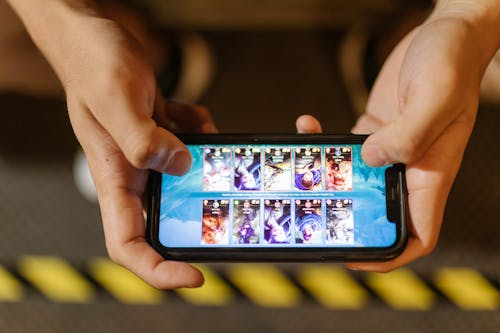

Modern entertainment no longer fits into one simple category. In the past, games were mostly played, and episodes were mostly watched.
Today, these two forms of entertainment often feel connected. Many online games now use episode-like chapters, character arcs, cliffhangers, and seasonal updates. At the same time, many shows and digital series use game-like features such as choices, interactive scenes, rewards, and audience participation.
This change has created a new type of entertainment where people are not only viewers or players. They are active participants. They follow stories like a series, but they also make decisions like they are inside a game. This mixture makes modern entertainment more exciting, flexible, and personal.
Why Games Feel More Like Episodes
Many modern APK MOD games are designed with strong story structures. Instead of giving players one complete story at once, games often release content in chapters, seasons, or missions. This makes the experience feel similar to watching episodes of a show. Each update may bring new characters, conflicts, locations, or surprises.
Players return because they want to know what happens next. A game may end one chapter with a mystery or emotional moment, just like a television episode ends with a cliffhanger. This keeps the audience interested for a longer time.
The Role of Seasons and Updates
Seasonal updates are one reason games now feel episodic. Developers use updates to continue the story and keep the game world alive. New missions, events, and rewards give players a reason to come back regularly.
This structure also creates shared excitement. When a new season begins, players discuss theories, explore new content, and compare their experiences. The story becomes something ongoing rather than something that ends quickly.
Why Episodes Feel More Like Games
Online shows and digital series have also changed. Viewers are no longer completely passive. Some platforms allow interactive storytelling, where viewers can choose what a character does next. Even when shows are not fully interactive, audiences still behave in nonton drama china game-like ways. They search for clues, solve mysteries, join fan discussions, and predict future events.
This makes watching feel more active. A viewer may pause an episode to examine a detail, read theories online, or join a conversation about the story. In this way, the audience becomes part of the experience.
Audience Participation Matters
Modern creators understand that audiences want involvement. People enjoy feeling connected to the story beyond simply watching it. Comment sections, live chats, fan polls, and social media reactions allow viewers to influence how entertainment is discussed and remembered.
This participation makes episodes feel more like games because there is a sense of discovery and interaction. The audience is not controlling the story directly, but they are shaping its cultural impact.
The Rise of Interactive Storytelling
Interactive storytelling is one of the clearest examples of games and episodes mixing together. In these stories, people may watch scenes, make choices, and then see the results of those choices. This creates a balance between cinema and gameplay.
The appeal comes from control. People enjoy stories more when they feel their choices matter. Even small decisions can make the experience feel personal. This is why interactive entertainment has become popular among online audiences.
How This Changes Emotional Connection
When entertainment combines APK MOD games and episodes, the emotional connection becomes stronger. Players spend time with characters through action, while viewers follow them through story development. When both styles are combined, audiences feel closer to the world and its characters.
A person may not only watch a hero struggle but also help that hero succeed. This creates a deeper sense of involvement. The story feels less distant and more personal. In a normal show, the viewer waits to see what the hero will do next. In an online game, the player can guide that moment through choices, actions, timing, and strategy. That small shift changes the whole feeling.
The hero’s progress starts to feel connected to the player’s own effort. When a difficult level is cleared, a mission is completed, or an important decision leads to a good result, the player feels part of the success. It is no longer just someone else’s story on the screen. It becomes an experience shaped by the player.
This is why story-based games can feel so powerful for people who enjoy drama. They keep the emotion of watching a character grow, but they add participation. The player becomes a supporter, decision-maker, and companion in the hero’s path.
Conclusion
Modern entertainment feels like a mix of games and episodes because audiences now want stories they can follow, discuss, and sometimes control. Games use chapters, seasons, and cliffhangers to feel more like shows. Episodes use interaction, mystery, and audience participation to feel more like games. Together, these styles create entertainment that is active, social, and emotionally engaging. This blend has changed how people play, watch, and connect with stories online.