
Finland’s sporting history is filled with remarkable performances, memorable rivalries and athletes whose achievements have become part of the country’s national identity. From Olympic skiing champions and Formula One drivers to ice hockey stars and long-distance runners, Finnish athletes have earned recognition far beyond their home country.
For international readers, however, finding reliable Finnish sports news and biographies can be challenging. News organisations cover recent competitions, official sporting bodies maintain performance records, and smaller digital publications explore the backgrounds and personal journeys of familiar athletes.
Each source tells a different part of the story. A race report captures what happened during a competition, while an athlete’s biography explains how their career developed. Official records provide results and statistics, but interviews can reveal the experiences behind those achievements.
Understanding these differences makes researching Finnish sport considerably easier.
This guide examines the websites, archives and research methods that help readers explore Finland’s sporting personalities, from historical champions to contemporary competitors.
Why Finnish sports personalities attract international attention
Finland has a sporting culture shaped by geography, history and competitive traditions.
Winter sports have long held a prominent position, particularly cross-country skiing, ski jumping and ice hockey. Finnish athletes have also achieved international success in athletics, motorsport, wrestling and other disciplines.
Certain names have become closely associated with Finnish sporting history.
Paavo Nurmi helped establish Finland’s reputation in distance running during the early twentieth century. His nine Olympic gold medals made him one of the country’s most celebrated athletes.
In motorsport, drivers such as Keke Rosberg, Mika Häkkinen and Kimi Räikkönen became Formula One world champions, introducing Finnish sporting talent to audiences across the globe.
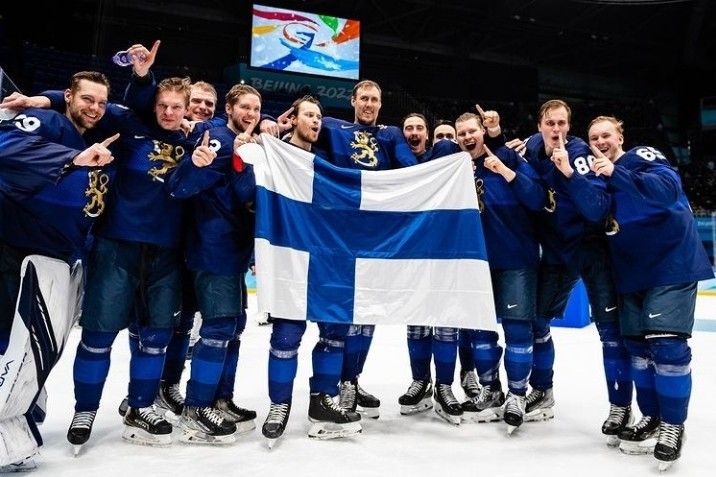
Ice hockey has developed an equally strong cultural presence. Finland’s national teams compete under the familiar nickname Leijonat, meaning Lions, and international tournaments regularly attract considerable public interest.
These achievements explain why Finnish athletes remain popular subjects for biographies, interviews and historical research.
Their stories also reveal how sport connects with Finnish communities, national pride and changing social expectations.
Understanding Finnish sports journalism and athlete biographies
Sports journalism and biographical writing serve related but distinct purposes.
News reporting usually focuses on immediate developments: competition results, team selections, injuries, transfers and interviews following major events.
Biographies take a longer view. They examine an athlete’s early career, professional achievements, significant challenges and contributions to their sport.
Consider a cross-country skier competing in an international championship.
A sports news article might describe the race conditions, finishing positions and the athlete’s post-race comments. An official results database would confirm the recorded times and placements.
A biography could explain the skier’s development from junior competitions to international success.
No single format provides everything.
For meaningful research, readers should combine original reporting with official records and carefully sourced background material.
Finnish sports news websites worth exploring
Several established Finnish publishers provide extensive sports coverage, although their reporting styles and editorial priorities differ.
1. Yle Urheilu – Finnish sports reporting and athlete interviews
Yle Urheilu is the sports division of Finland’s national public-service broadcaster.
Its coverage includes ice hockey, skiing, athletics, football, motorsport and other competitions involving Finnish athletes.
A distinguishing feature is the combination of written journalism, interviews, television coverage and audio programming.
Yle regularly reports on both internationally recognised sports and disciplines that receive less commercial attention.
Its sports coverage can also extend beyond competition results to questions about training, sports administration and the experiences of athletes.
For example, coverage in October 2026 included cross-country skier Ristomatti Hakola’s training and preparations, alongside reporting about Finnish figure skaters Juulia Turkkila and Matthias Versluis. These subjects show how reporting can examine the development of an athlete’s season rather than focusing exclusively on final results.
For readers interested in Finnish sport as a whole, Yle provides a useful starting point.
Best for: Sports news, athlete interviews, international competitions and Finnish sporting culture.
2. Ilta-Sanomat – Competition news and sporting personalities
Ilta-Sanomat is an established Finnish newspaper with substantial sports coverage.
Its reporting includes ice hockey, football, motorsport, skiing and other sports followed by Finnish audiences.
The publication combines competition reports with interviews, analysis and features about notable athletes.
This variety makes it useful for readers who want to follow both sporting performances and the personalities involved.
An article about an ice hockey match, for example, may explain the result and tactical developments, while a separate interview explores a player’s professional experiences.
Ilta-Sanomat also reports on Finnish athletes competing abroad, helping domestic readers follow sporting careers that extend beyond national competitions.
Its broader entertainment coverage sometimes intersects with sport when retired athletes enter television or other public-facing professions.
Best for: Current results, major sporting events, athlete interviews and popular sports coverage.
3. Iltalehti – Finnish sports news and career developments
Iltalehti provides sports journalism alongside general news, entertainment and lifestyle reporting.
Its sports coverage includes international competitions, domestic leagues, football, motorsport, ice hockey and winter sports.
For readers researching Finnish athletes, Iltalehti can provide information about career developments, competition performances and public statements.
The publication also reports on professional transitions, such as changes in coaching arrangements or transfers between teams.
These details can help researchers understand how an athlete’s career has developed over time.
However, time-sensitive reports should always be checked against official announcements, particularly when they concern contracts, transfers or future competition plans.
Best for: Sports headlines, career developments, interviews and domestic competitions.
4. MTV Urheilu – Television sports and major competitions
MTV’s sports journalism combines digital reporting with its wider broadcasting activities.
Its coverage includes motorsport, ice hockey, football and other competitions attracting Finnish audiences.
Broadcast interviews can be particularly useful because they allow viewers to hear athletes and coaches describe events directly.
Motorsport is one area in which television coverage offers a distinctive experience. Race commentary, interviews and analysis can help audiences understand performance beyond the finishing order.
For biographical research, MTV’s sports reporting can provide contemporary accounts of important career moments.
However, official competition organisers remain the preferred sources for confirming race classifications and historical statistics.
Best for: Motorsport, ice hockey, sporting interviews and television coverage.
Finnish athlete biography websites and background resources
Beyond the daily sports news cycle, smaller Finnish-language publications provide another way to explore notable athletes.
Their strengths lie mainly in personality-focused articles and background reading rather than comprehensive results databases.
5. SuomiNyt – Finnish sporting legends and athlete profiles
SuomiNyt publishes general-interest articles about Finnish public figures, including athletes and historical sporting personalities.
Its content includes profiles of former cross-country skier Virpi Kuitunen and motorcycle racing champion Jarno Saarinen.
Kuitunen is an important figure in Finnish cross-country skiing history. During her career, she won six World Championship gold medals, two Olympic bronze medals and two overall cross-country World Cup titles.
Her career also included a doping violation at the 2001 World Championships in Lahti, resulting in a two-year suspension. She later returned to international competition and achieved many of her greatest successes.
A well-researched biography should include both her sporting achievements and the documented challenges of her career.
Jarno Saarinen represents a different chapter in Finland’s sporting history.
He won the 250cc motorcycle road racing world championship in 1972 and became known for his racing ability and technical understanding of motorcycles.
His death during a race at Monza in 1973 remains part of the history of motorcycle racing safety.
These examples illustrate how athlete profiles can introduce readers to different sporting generations.
SuomiNyt is particularly useful for introductory reading, while official competition archives should be consulted to confirm records and championship results.
Best for: Finnish sports legends, athlete backgrounds and historical sporting personalities.
6. Suomi Report – Sports personalities and human-interest biographies
Suomi Report covers Finnish celebrities, entertainment, sport and selected human-interest subjects.
Its sports-related content includes a feature about cross-country skier Anne Kyllönen, whose career has included Olympic participation and international competition.
Kyllönen was part of Finland’s silver-medal-winning women’s cross-country relay team at the 2014 Sochi Winter Olympics.
Her career provides an example of the demands of competing across multiple international seasons.
A biography can explore an athlete’s professional development, major achievements and experiences during different career stages.
Suomi Report’s personality-focused approach differs from the continuous competition reporting provided by major news organisations.
For readers who encounter an athlete’s name and want introductory background information, this type of content can be helpful.
It is important, however, to distinguish documented sporting achievements from speculation about personal relationships or other private circumstances.
Best for: Athlete profiles, career backgrounds and sports-related human-interest stories.
7. Suomi Uutiset – Finnish sporting figures and general-interest profiles
Suomi Uutiset publishes Finnish-language articles about biographies, celebrities, sport and general-interest subjects.
Its website includes an Urheilu category and articles about individuals associated with Finnish sporting life.
The publication also features material about Anne Kyllönen, reflecting its interest in athlete backgrounds and public personalities.
Such articles can help readers become familiar with the people behind sporting headlines.
However, the website should not be mistaken for an official sporting federation or a comprehensive source of competition statistics.
Its role is better understood as supplementary background reading.
When researching an athlete’s medals, records or competition history, official results and sporting organisations are more appropriate for confirmation.
This distinction is particularly important when an article involves sensitive subjects, including injuries, legal matters or personal relationships.
Best for: Introductory athlete biographies, Finnish sporting personalities and general-interest reading.
Official Finnish sports resources for verifying achievements
News articles and biographies are useful, but accurate sporting research often requires official records.
These records help establish results independently of an article’s interpretation.
Finnish Olympic Committee – Olympic athletes and national teams
The Finnish Olympic Committee maintains information about Finland’s Olympic athletes, team selections and historical achievements.
Its athlete profiles cover competitors from recent Olympic Games alongside Finnish Olympic champions.
For example, its historical material includes Tomi Poikolainen, who won Olympic gold in archery at the 1980 Moscow Games, and wrestler Pertti Ukkola, who won Olympic gold in Montreal in 1976.
These profiles provide documented sporting context beyond simple lists of medals.
The committee’s Milano Cortina 2026 materials also identify athletes selected to represent Finland at the Winter Olympics held from 6 to 22 February 2026.
The team included 103 athletes, according to the official selection announcement.
Such records are useful for verifying participation and team composition rather than relying on speculation before an event.
Suomen Urheiluliitto – Finnish athletics information
Suomen Urheiluliitto, the Finnish Athletics Federation, provides information about Finnish track and field competitions, athletes and national sporting activities.
Its website includes news, event information and material concerning Finnish athletics.
For historical researchers, federation records can help establish performances and official competition results.
This is particularly important when discussing national records or comparing achievements across different decades.
Athletics terminology also requires care. A national record, championship record and personal best are different measurements and should not be used interchangeably.
Liiga – Finnish ice hockey statistics
Liiga is Finland’s top men’s professional ice hockey league.
Its official website contains information about teams, player rosters, fixtures and statistics.
For the 2026–27 season, its player database includes roster details such as positions, dates of birth, height and weight, alongside competition information.
This makes Liiga valuable for verifying players’ league careers.
However, statistics from a domestic league should not be confused with achievements in international competitions or other professional leagues.
A complete hockey biography may require records from several competitions.
Comparing Finnish sports news and biography resources
Different resources answer different questions.
| Resource | Main purpose | Most useful for |
| Yle Urheilu | Public-service sports journalism | Current events and athlete interviews |
| Ilta-Sanomat | Broad sports reporting | Competition news and personalities |
| Iltalehti | Sports news and features | Career updates and interviews |
| MTV Urheilu | Broadcasting and sports reporting | Motorsport, ice hockey and interviews |
| SuomiNyt | General-interest athlete profiles | Historical sporting personalities |
| Suomi Report | Sports biographies and human-interest content | Athlete background stories |
| Suomi Uutiset | Biographies and general-interest profiles | Introductory sports research |
| Finnish Olympic Committee | Official Olympic records | Team selections and Olympic achievements |
| Suomen Urheiluliitto | Official athletics information | Athletics results and records |
| Liiga | Professional ice hockey records | Player statistics and league careers |
A reliable sports biography may require information from several of these sources.
For example, an official database can confirm an athlete’s results, while an original interview offers context about their experiences.
The distinction between factual records and personal narratives helps prevent misleading conclusions.
How to research a Finnish athlete’s career accurately
A practical research process begins with the athlete’s full name and sporting discipline.
First, identify the competitions in which the athlete participated. Establish whether they represented a national team, professional club or individual sporting organisation.
Next, examine official records to confirm achievements.
For an Olympic athlete, this may involve the Finnish Olympic Committee and Olympic results databases. For a professional ice hockey player, league records and international federation statistics may be necessary.
Once the competitive history is clear, look for original interviews and contemporary reporting.
These sources can explain major career decisions, injuries discussed publicly, training experiences and professional transitions.
Finally, compare biographical summaries with the verified records.
A useful research checklist includes:
- Confirm the athlete’s identity and sporting discipline.
- Verify competition dates, placements and medal classifications.
- Distinguish individual achievements from team results.
- Check whether records refer to national, European or world competitions.
- Verify career announcements through original sources.
- Avoid unsupported claims about private circumstances.
This approach produces more dependable research than relying exclusively on search-result summaries.
Why historical context matters in Finnish sports biographies
Sporting achievements cannot always be compared directly across generations.
Training methods, professional opportunities, competition formats and equipment have changed considerably.
A distance runner competing during the early Olympic era faced different conditions from a modern professional athlete.
Similarly, a cross-country skier’s career may span changes in competition formats and techniques.
A biography should explain these differences where they affect the interpretation of achievements.
Historical context is especially important when discussing Finnish sporting legends.
Paavo Nurmi’s success belongs to an era when international athletics operated under different competitive structures.
Jarno Saarinen raced during a period when motorcycle safety standards differed substantially from those of modern professional racing.
Understanding such circumstances helps readers appreciate achievements without relying on exaggerated claims about who was the greatest athlete of all time.
Finnish sports personalities and national culture
Sport occupies an important place in Finnish cultural identity.
International competitions can bring communities together, while successful athletes often become familiar figures through television, newspapers and public events.
Ice hockey provides one example.
The Finnish men’s national team’s first World Championship victory in 1995 became a memorable sporting moment for a generation of supporters.
Cross-country skiing also has deep historical roots, connecting competitive sport with Finland’s winter environment and recreational traditions.
Motorsport offers another distinctive connection between Finland and international competition.
The success of Finnish racing drivers has helped establish the country’s reputation in rallying and Formula One.
For international readers, athlete biographies provide a way to understand these connections.
They reveal not only who won a competition but also why particular sporting achievements remain important to Finnish audiences.
How to evaluate sports biographies and personal information
Sports biographies frequently discuss public achievements alongside personal experiences.
However, readers should distinguish between information that is well documented and information that remains private.
Official competition results can establish medals, records and participation.
Interviews can document what an athlete has publicly said about training, professional challenges or career decisions.
Personal relationships, family matters and medical circumstances require greater caution.
An athlete’s fame does not automatically justify publishing information about private relatives.
Similarly, an injury mentioned in an older article should not be presented as a current medical condition without reliable confirmation.
When contradictory information appears, identify the original source and check whether later reporting provides an update.
These practices help maintain accuracy while respecting the individuals being discussed.
Frequently asked questions about Finnish sports news and biographies
Which Finnish websites are useful for sports news?
Yle Urheilu, Ilta-Sanomat, Iltalehti and MTV Urheilu provide reporting about Finnish and international sports, including competition results and athlete interviews.
Where can I find biographies of Finnish athletes?
SuomiNyt, Suomi Report and Suomi Uutiset offer selected athlete profiles and background articles. Official sporting organisations provide additional historical and statistical information.
How can I verify a Finnish athlete’s Olympic medals?
Consult official Olympic records and the Finnish Olympic Committee. Check the competition, year, event and medal classification.
Which sources are useful for Finnish ice hockey research?
Liiga provides information about domestic professional ice hockey. International tournament records and national federation information can help verify achievements outside the league.
Can sports news websites provide accurate historical biographies?
They can provide valuable historical reporting and interviews. For complete accuracy, important competition results should also be checked against official records.
Conclusion
Finding reliable Finnish sports news and biographies involves more than reading the latest competition headlines.
Established publications such as Yle Urheilu, Ilta-Sanomat, Iltalehti and MTV Urheilu provide current reporting, interviews and analysis of Finnish sporting events.
Smaller websites such as SuomiNyt, Suomi Report and Suomi Uutiset offer supplementary background reading about selected athletes, sporting personalities and historical figures.
Official resources, including the Finnish Olympic Committee, Suomen Urheiluliitto and Liiga, provide records that help verify achievements and professional histories.
Each serves a different purpose. Journalism explains what happened and why it matters, athlete profiles introduce the person behind the performance, and official databases establish documented results.
For international readers exploring Finland’s sporting heritage, combining these sources provides a more complete understanding of the athletes, achievements and traditions that have shaped the country’s sports culture.