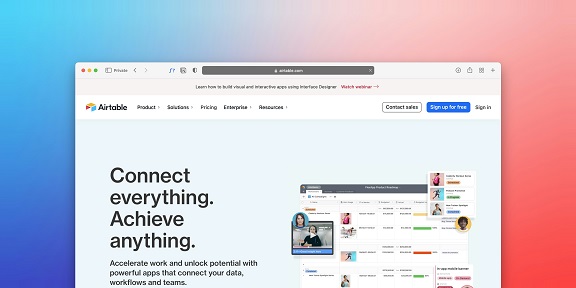

Software as a Service (SaaS) represents a significant evolution in software delivery models, fundamentally changing how organizations deploy and manage applications. Unlike traditional software, which is typically purchased and installed on individual computers or servers, SaaS operates in a cloud environment, allowing users to access software applications via the internet. This model is characterized by its subscription-based pricing, enabling businesses to eliminate large upfront costs associated with software acquisition. One of the primary benefits of cloud-based SaaS solutions is their inherent scalability. Organizations can easily adjust their usage plans based on current demands, ensuring that they only pay for the resources they need. This flexibility supports rapid growth and enables businesses to adapt quickly to changing market conditions without the burden of additional infrastructure investment.
Furthermore, SaaS solutions reduce the burden on IT departments, as software maintenance and updates are handled by the service provider. This not only minimizes downtime but also allows internal teams to focus on more strategic initiatives rather than routine maintenance tasks. In addition, with data hosted in the cloud, businesses can benefit from enhanced collaboration, as team members can access and share information from anywhere, provided they have an internet connection.
The importance of cloud computing in modern business environments cannot be overstated. As companies increasingly rely on remote work and global collaboration, SaaS solutions enable them to streamline operations, enhance productivity, and foster innovation. In this blog post, we will explore various essential cloud-based SaaS solutions that can help businesses thrive in today’s dynamic landscape, setting the stage for an in-depth understanding of their impact and utility.
Key Features of SaaS Solutions
Software as a Service (SaaS) solutions have become increasingly popular among businesses, driven by several defining features that enhance their appeal. One of the most prominent attributes of SaaS is accessibility. These applications are typically hosted in the cloud, allowing users to access them from any device with an internet connection. This level of accessibility eliminates the need for extensive on-premises hardware and fosters flexible work environments where remote teams can collaborate seamlessly.
Scalability is another critical feature associated with SaaS solutions that draws the attention of businesses. As an organization grows, its software needs often evolve. SaaS solutions allow businesses to easily scale their usage according to organizational demands. From accommodating additional users to expanding storage or adding new functionalities, cloud-based platforms can typically adapt without requiring a complete system overhaul, thus saving on time and costs.
Automated updates represent a further significant advantage of SaaS solutions. Traditional software often mandates manual updates, which can lead to vulnerabilities and operational inefficiencies. SaaS, by contrast, provides continual updates and patch management automatically, ensuring users always operate with the latest and most secure version of the software without any interruption in service. This automation not only enhances security but also reduces the burden on IT resources, allowing teams to focus on more strategic initiatives.
Finally, integrated support services are essential features of SaaS offerings. Providers typically include customer support as part of their subscription, which ensures that users have access to assistance when needed. This is particularly advantageous for smaller businesses that may lack comprehensive in-house IT resources. The combination of these features—accessibility, scalability, automated updates, and integrated support—makes SaaS an adaptable and efficient choice for organizations of all sizes looking to optimize their operations.
Advantages of Using Cloud-Based SaaS Solutions
Cloud-based Software as a Service (SaaS) solutions offer numerous advantages that make them an appealing choice for businesses of all sizes. One of the primary benefits is cost efficiency. Traditional software requires substantial upfront investments for licensing, hardware, and maintenance. In contrast, SaaS solutions usually operate on a subscription model, allowing businesses to manage their budgets more effectively by spreading costs over time. This approach also eliminates the need for extensive IT resources to oversee software installations and updates, further reducing operational expenses.
Another significant advantage is the ability to access these tools remotely. As businesses increasingly adopt flexible working arrangements, having cloud-based solutions enables employees to work from any location with internet connectivity. This remote access enhances productivity and ensures that teams remain connected, regardless of geographical barriers. Furthermore, SaaS platforms often come equipped with built-in collaboration features, facilitating seamless communication among team members and improving collaboration on shared projects.
Security is another critical factor driving the adoption of cloud-based SaaS solutions. Leading service providers invest heavily in cutting-edge security mechanisms to safeguard sensitive data from unauthorized access and breaches. By opting for these solutions, businesses benefit from enhanced security measures, including data encryption, regular updates, and compliance with industry standards, which may be too costly for organizations to implement independently.
Lastly, flexibility is a hallmark advantage of SaaS. Businesses can easily scale their usage based on evolving needs, whether during peak seasons or as they grow. This adaptability allows organizations to streamline operations without the constraints of traditional software, which often requires significant commitments and upfront investments for expansions. Overall, the adoption of cloud-based SaaS solutions facilitates improved cost management, fosters remote collaboration, enhances security, and provides the flexibility modern businesses need to thrive.
Popular SaaS Solutions for Businesses
In the realm of business technology, Software as a Service (SaaS) solutions have revolutionized how organizations operate, providing scalable and efficient tools that meet diverse needs. Among the most popular SaaS solutions, Customer Relationship Management (CRM) systems stand out. These platforms, such as Salesforce and HubSpot, help businesses manage customer interactions and data seamlessly. Sales teams can use these tools to track customer engagement, sales pipelines, and marketing efforts, resulting in improved customer satisfaction and sales efficiency.
Project management tools represent another significant category of SaaS solutions that enhance collaboration and productivity. Applications like Asana, Trello, and Monday.com enable teams to track projects, assign tasks, and monitor progress in real time. This transparency fosters accountability and ensures that deadlines are met, thus optimizing resource allocation. Furthermore, these platforms often feature integration capabilities with other software applications, allowing for seamless data transfer and workflow automation.
Communication tools have also emerged as vital SaaS solutions, particularly in today’s remote working environment. Platforms such as Slack and Microsoft Teams facilitate efficient communication within teams and across organizations. These tools offer functionalities like instant messaging, video conferencing, and file sharing, significantly enhancing teamwork and collaboration. The ability to streamline communication is essential for businesses looking to maintain productivity while adapting to flexible work environments.
Each of these SaaS solutions brings its unique advantages to various aspects of business operations. By leveraging CRM systems, project management tools, and communication platforms, organizations can foster growth, streamline processes, and enhance overall efficiency. As businesses continue to embrace digital transformation, the utilization of these essential cloud-based solutions will play a crucial role in shaping their success.
Choosing the Right SaaS Solution for Your Business
When selecting a software-as-a-service (SaaS) solution, businesses must thoroughly evaluate their specific needs. Understanding these needs lays a foundation for finding a solution that not only fits current operational requirements but also adapts as the business grows. It is essential to identify key functionalities that will enhance productivity or streamline processes, ensuring the chosen tool aligns with the company’s goals.
Another critical factor to consider is the pricing structure. SaaS solutions often come with various pricing tiers, pricing models (such as subscription or pay-per-use), and hidden fees that can impact overall expenditure. Companies should analyze their budgets and expected ROI to avoid future financial strain. Additionally, transparency regarding costs is essential, as it ensures there are no unexpected charges that could complicate budgeting.
Integration capabilities also play a significant role in the decision-making process. The selected SaaS solution should seamlessly integrate with existing systems and tools used by the organization. Poor integration can lead to inefficiencies and data silos, ultimately hindering productivity. Companies must check for API availability and compatibility with other software, making sure that data can flow freely between platforms.
Usability is another crucial consideration, as the effectiveness of a SaaS solution heavily relies on user adoption. A user-friendly interface reduces the learning curve, enabling employees to adapt quickly. This factor is particularly important for organizations where staff may not have extensive technical skills. Conducting demos or trials can help in assessing usability and gathering employee feedback.
Lastly, vendor reliability must not be overlooked. The reputation of the service provider, testimonials from other users, and the level of customer support offered are vital criteria. A trustworthy vendor ensures that businesses receive ongoing support and updates, contributing to the longevity and efficiency of the SaaS solution.
Implementing SaaS Solutions in Your Business
Implementing Software as a Service (SaaS) solutions is a strategic undertaking for businesses aiming to enhance operational efficiency and flexibility. The first step involves a comprehensive evaluation of the specific needs of your organization, which will guide the selection of appropriate SaaS platforms. Conducting a thorough needs analysis helps ensure alignment between the software capabilities and the goals of your business. Once suitable SaaS solutions are identified, the next phase is to plan for data migration.
Data migration involves transferring existing data from legacy systems to the new cloud-based platform. This process should be conducted with meticulous attention to detail to avoid data loss or corruption. It is advisable to create a detailed mapping of current data structures to the new ones and to carry out pilot migrations to test the process before full-scale implementation. In addition, effective data validation post-migration is crucial to ensure that everything is functioning as intended.
Another critical component of implementing SaaS solutions is staff training. Ensuring that employees are proficient with the new tools is paramount for a successful transition. Organizing comprehensive training sessions alleviates the learning curve and encourages user adoption. Providing access to tutorials, manuals, and support resources can further enhance the training experience. On top of this, fostering a culture that embraces change within the organization will help facilitate a smoother transition.
Moreover, security measures must be prioritized when moving to cloud-based tools. Businesses should evaluate the security protocols of the chosen SaaS providers, ensuring that they meet industry standards. Implementing additional security measures, such as multi-factor authentication and regular software updates, can further mitigate the risk of data breaches. In summary, careful planning, thorough training, and robust security measures are essential steps for effectively implementing SaaS solutions in any business.
Security Considerations for SaaS Solutions
As businesses increasingly adopt cloud-based Software as a Service (SaaS) solutions, understanding the related security considerations becomes paramount. One of the most critical concerns revolves around data privacy. With sensitive information often stored in the cloud, organizations must ensure that their SaaS providers have robust security measures in place to protect against unauthorized access, data breaches, and loss of information. This includes encryption, multi-factor authentication, and strong user access controls.
Compliance requirements also play a significant role when utilizing SaaS platforms. Various industries are subject to specific regulations, such as the General Data Protection Regulation (GDPR) or the Health Insurance Portability and Accountability Act (HIPAA). Businesses need to assess whether their SaaS providers comply with these regulations and what mechanisms are in place to handle sensitive data appropriately. Failing to meet compliance standards can result in severe financial penalties and damage to a company’s reputation.
To further safeguard their information while using SaaS, organizations should consider implementing a few best practices. Conducting regular security assessments of the SaaS provider can help identify vulnerabilities. Moreover, businesses should establish clear policies for data access and employee training to recognize potential threats such as phishing attacks. Another advisable practice is to regularly back up data independently to mitigate potential data loss in case of service downtime or unpredicted incidents.
By being proactive in evaluating the security features of their chosen SaaS solutions and maintaining continuous oversight of compliance requirements, companies can significantly reduce risks associated with cloud adoption. Understanding security considerations is not merely a technical requirement but a crucial business strategy for safeguarding essential information.
Future Trends in SaaS Solutions
As businesses increasingly adopt cloud-based systems, the Software as a Service (SaaS) model continues to evolve. One significant trend gaining traction is the integration of artificial intelligence (AI) and machine learning across various SaaS platforms. These technologies enable businesses to leverage data analytics for enhanced decision-making processes, allowing for greater automation and personalization in service delivery. Furthermore, AI-driven SaaS applications are expected to facilitate more user-friendly interfaces, adapting to individual user behaviors and needs.
Another prominent trend is the push for increased integration and interoperability among SaaS solutions. As companies utilize multiple software solutions, the need for seamless data transfer and unified platforms becomes paramount. Industry leaders are responding by developing integrations that enhance collaboration and facilitate information sharing between different applications. This evolution not only streamlines workflows but also reduces operational silos, boosting productivity across teams.
Additionally, the rise of remote work has accelerated the demand for robust and secure SaaS solutions. Businesses are prioritizing cloud services that offer advanced security features, including encryption and compliance with standards like GDPR. Hence, providers are innovating their offerings to ensure that users’ data remains protected while still maintaining ease of access and usability. As cybersecurity threats intensify, ongoing improvements in security protocols will be vital.
In conclusion, the landscape of SaaS solutions is continuously shifting due to technological advancements and changing business environments. With an emphasis on AI integration, enhanced interoperability, and robust security measures, the future of SaaS is poised for further growth, positioning itself as an essential component of modern organizations.
Conclusion: Embracing SaaS Solutions for Future Growth
As businesses navigate an increasingly tech-driven marketplace, the adoption of cloud-based Software as a Service (SaaS) solutions has become essential for maintaining competitiveness and fostering agility. These solutions offer a multitude of advantages that can significantly enhance operational efficiency, reduce costs, and facilitate scalability. By leveraging SaaS, organizations can access the latest technology without the burden of extensive infrastructure investment, allowing them to focus resources on core competencies and strategic initiatives.
The flexibility and accessibility of SaaS applications empower teams to collaborate effectively, irrespective of geographical boundaries. This is particularly vital in a globalized economy where remote work and diverse talent pools are becoming the norm. Utilizing SaaS tools can streamline workflows, enhance communication, and improve overall productivity, enabling businesses to adapt swiftly to changing market conditions and customer demands.
Moreover, the subscription-based model of many SaaS solutions allows companies to scale their services in alignment with growth trajectories, making it a financially savvy choice. Organizations can choose to implement tools that specifically address their needs, and as those needs evolve, they can seamlessly upgrade or integrate new functionalities. This agility is a key differentiator in achieving a competitive edge.
In light of these factors, it is imperative for businesses to seriously consider the integration of cloud-based SaaS solutions into their operations. The operational advantages, coupled with cost-effectiveness and flexibility, cannot be overstated. By embracing these innovative tools, companies are positioned not only to meet immediate challenges but also to drive future growth and success in an ever-evolving landscape.