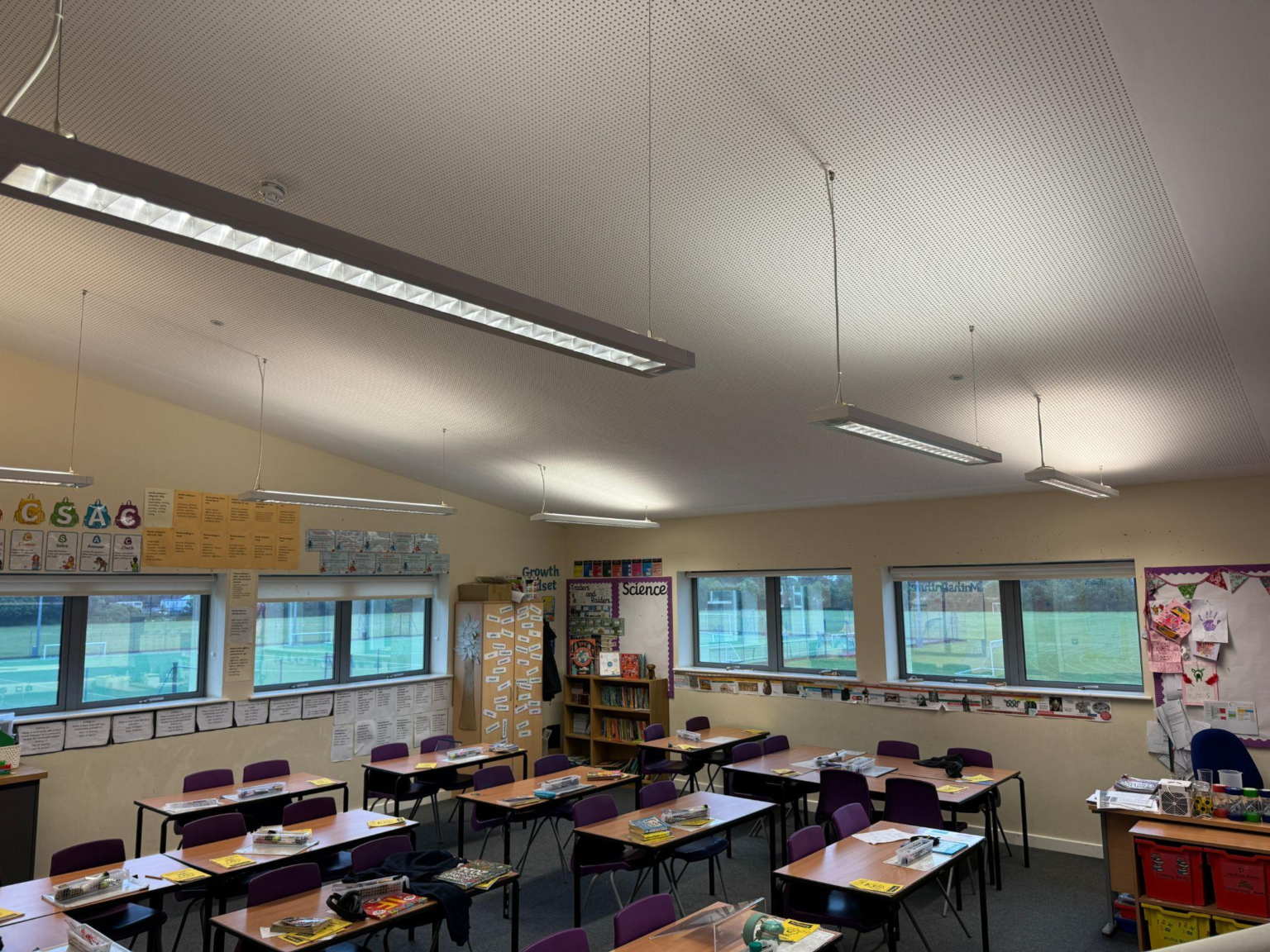

Poorly managed office glazing can reduce workplace comfort through excessive glare, heat gain, and privacy concerns. The right combination of solar control window films and privacy solutions helps businesses maintain natural light while improving employee comfort, energy performance, and workspace usability.
Key takeaways:
- Glazing impacts productivity: Poorly managed glass can create glare, heat discomfort, and workplace distractions
- Solar control films reduce discomfort: Window films help manage heat gain and screen glare without replacing existing glazing
- Privacy films maintain openness: Frosted and specialist films improve confidentiality while preserving natural light
- Correct specification matters: Choosing the right film depends on glazing type, building orientation, and workplace needs
Having a glass-heavy office may look pretty, but have you ever noticed that your employees have probably started squinting at screens by 11 AM? Glazing without the right glare control quietly undermines the very productivity that open, light-filled design is meant to support.
Achieving the right balance between daylight, temperature control, and privacy is essential for creating a productive office environment.
Why Glazing Design Directly Affects Output, Not Just Aesthetics
Modern offices lean heavily on glass, and for understandable reasons. Natural light genuinely improves mood and focus. But it does not take much time to become a headache (quite literally at times!) if not managed properly.
Research from the University of Warwick found that happier employees were around 12% more productive in controlled workplace experiments, while distressed employees showed a measurable productivity drop. Uncontrolled glare and heat from unmanaged glazing sit squarely among the daily discomforts that chip away at that happiness.
| 💡 Quick Tip: Consider glare and heat management during the initial office design stage rather than treating them as fixes after employees begin experiencing discomfort. |
How Unmanaged Solar Gain Undermines a Modern Office
Large glazed areas look striking on a floor plan. Left unmanaged, they also become the biggest source of discomfort in the building.
UK commercial buildings spend a lot on air conditioning, much of it driven by uncontrolled solar heat gain through glass. That cost sits on top of the productivity losses caused by glare-driven eye strain and discomfort.
| Glazing Issue | Effect on Staff | Effect on Building |
| Uncontrolled solar heat gain | Discomfort, fatigue, distraction | Higher cooling costs |
| Screen glare from direct sun | Eye strain, posture problems, headaches | Reduced perceived comfort |
| Lack of visual privacy | Self-consciousness in meeting spaces | Weaker confidentiality for client work |
| Excessive UV exposure | Long-term skin and eye discomfort | Fading of furniture and finishes |
Table 1: Workplace and Building Impacts of Poorly Managed Glazing
| ⚠️Caution: UK Building Regulations Approved Document O, introduced in 2022, already requires new buildings to actively limit solar gains to prevent overheating. Retrofitting glare and heat control is not just a comfort upgrade; it increasingly supports regulatory compliance, too. |
Office Window Tinting: Solving Glare Without Losing Light
This is where office window tinting earns its place in modern workplace design. A properly specified film cuts glare and heat transfer through existing glass, without the cost or disruption of replacing windows entirely.
| 📝 An open-plan office that has a full glass frontage and faces the west found afternoons increasingly unworkable, as staff kept closing blinds completely by 2 PM and losing natural light altogether. The solution came when a solar control film was applied to the glazing, which reduced glare enough to have the blinds open and restore daylight without the discomfort. |
What a Good Office Tinting Specification Should Deliver
- Meaningful heat rejection on south and west-facing glazing
- Reduced glare without turning the office visibly dark
- UV filtering to protect furniture, flooring, and finishes
- A finish that still reads as premium, not obviously “tinted”
For businesses upgrading existing workspaces, office window tinting provides a practical way to improve comfort while preserving the benefits of natural daylight.
Privacy Films: Confidentiality Without Losing an Open Layout
Open-plan offices are often designed to encourage collaboration. However, there can also be a genuine confidentiality problem for meeting rooms and client-facing spaces. If boxing rooms in with solid walls is not an option, consider frosted or one-way privacy films.
| Approach | Privacy Level | Impact on Natural Light |
| Solid partition walls | High | Blocks light significantly |
| Blinds or curtains | Adjustable, manual | Blocks light when closed |
| Privacy window film | High, permanent | Light still passes through |
Table 2: Comparing Different Office Privacy Control Options
Meeting rooms with glass walls remain visually open to the rest of the office, while frosted film prevents anyone from clearly seeing screens or documents from outside the room.
Extending the Same Principles to Conservatory Offices
Garden offices and glazed conservatories used as workspace face an even more extreme version of the same problem, since they are often glazed on three or four sides. Conservatory window tinting applies the same heat and glare control logic to these spaces, which can otherwise become genuinely unusable during summer afternoons.
| ⚠️Caution: Conservatory and garden office glazing usually requires careful film selection because higher sunlight exposure may require stronger solar control performance compared with standard office windows. |
With the right specification, conservatory window tinting can help transform these spaces into more comfortable year-round work environments rather than seasonal problem areas.
Getting the Specification Right
Not every film suits every type of glazing. A quick specification checklist helps avoid a mismatch:
- Identify which elevations face south or west, since these need the strongest solar control
- Decide whether privacy is needed alongside heat and glare control, or heat control alone
- Confirm compatibility with existing double glazing before installation, to avoid thermal stress issues
- Balance light retention against heat rejection, since the strongest films can noticeably darken a space
Conclusion
Glass-heavy office design delivers its full potential only when glare, heat, and privacy are actively managed rather than left to blinds and reactive solutions.
Office window tinting and privacy films can help address these challenges by improving workplace comfort, protecting interiors, and allowing businesses to continue benefiting from natural light.
Ready to Make Your Glazing Work Harder?
Businesses reviewing ways to improve existing glazed spaces without major structural changes can explore solutions such as solar control and privacy films. Working with a specialist provider can help identify options that suit the building’s orientation, glazing type, and workplace requirements.