

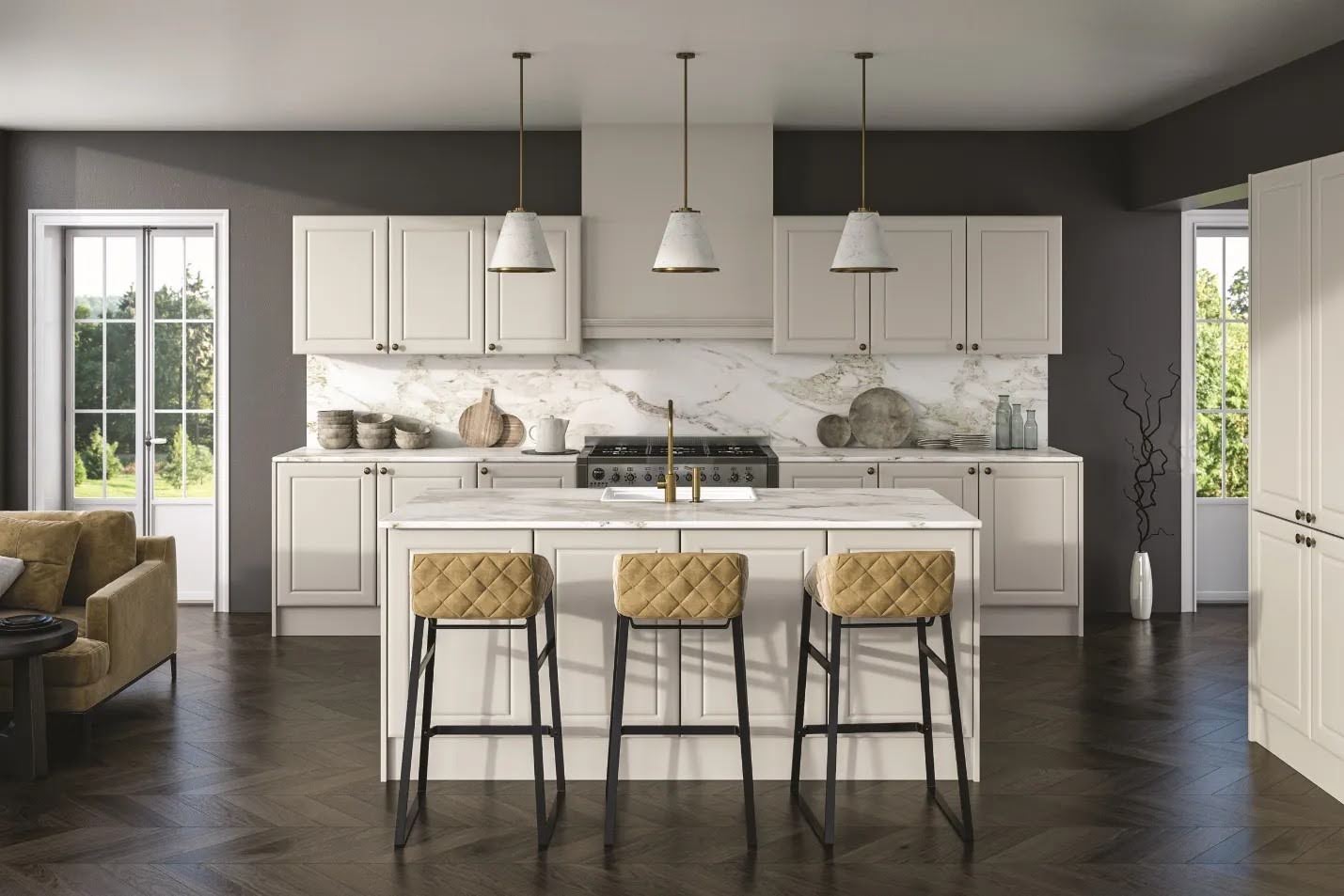

Kitchen design is often influenced by colour, layout and storage, but the finish of the cabinet doors can have just as much impact on the overall appearance. Smooth, reflective surfaces create a different mood from matt or textured finishes, even when the same colour is used.
For homeowners updating an existing kitchen, choosing the right door finish is therefore an important decision. The best option should not only suit the style of the property but also fit the way the kitchen is used every day.
Gloss Finishes Can Make a Space Feel Brighter
Reflective cabinet surfaces can help distribute light around a room, which may be useful in kitchens with limited natural daylight. This is one reason Acrylic Kitchen Doors can work well in contemporary interiors where a smooth, polished appearance is preferred.
Gloss finishes can be especially effective in smaller kitchens because reflected light can make the room feel more open. Pale colours tend to emphasise this effect, while darker gloss tones can create a stronger and more dramatic appearance.
However, the surrounding surfaces should be considered carefully. Combining glossy cabinetry with matt walls or a textured worktop can prevent the room from feeling overly reflective.
Think About Everyday Cleaning
Kitchen cabinets are exposed to fingerprints, splashes and cooking residue, so appearance should not be the only factor considered.
Smooth surfaces are generally straightforward to wipe down, but highly reflective finishes may show fingerprints more readily under certain lighting conditions. Households with young children or a particularly busy kitchen may prefer a finish where everyday marks are less noticeable.
Whatever door style is chosen, gentle and regular cleaning is usually better than relying on harsh products. Suitable care helps preserve the finish and keeps the cabinetry looking consistent over time.
Modern Style Does Not Mean One Particular Look
There is no single definition of contemporary kitchen design. Some rooms rely on gloss cabinetry, while others use simple matt fronts, understated framed doors or flat slab designs.
The wide range of Modern Kitchen Doors means homeowners can focus on the overall atmosphere they want to create rather than following one specific trend.
Flat fronts tend to produce a streamlined appearance, while subtle detailing can add character without making the room feel traditional. The most successful choice is usually one that works naturally with the property’s existing architecture.
Colour Should Work with the Available Light
Cabinet colours can look very different depending on the amount and direction of natural light in the room.
A dark finish may look rich and sophisticated in a bright kitchen but feel much heavier in a narrow room with a small window. Lighter tones can make compact spaces feel more open, although they do not have to be limited to plain white.
Soft greys, warm neutrals and muted colours can provide a modern feel while remaining easy to coordinate with flooring and worktops.
It is useful to view samples in the kitchen before making a final decision. Checking them in both daylight and artificial light can reveal undertones that may not be obvious online.
Use Texture to Create Balance
Modern kitchens often benefit from a mixture of surfaces. When every element has the same smooth finish, the room can sometimes appear flat.
Timber-effect flooring, stone worktops, tiled splashbacks or textured walls can add depth beside simple cabinet doors. These materials introduce contrast without needing additional decorative details.
The number of different finishes should still be controlled. Two or three complementary materials usually create a more coherent result than several competing textures.
Handles Can Change the Appearance
Hardware plays an important role in how modern cabinetry is perceived. Slim bar handles can reinforce clean horizontal lines, while smaller handles keep the overall appearance understated.
Some homeowners prefer a handleless-inspired look where hardware is less visible. This can create an especially streamlined result, but ease of use should always be considered before choosing purely for appearance.
Handles are touched repeatedly throughout the day, so comfort and durability are as important as their finish.
Lighting Should Support the Cabinet Design
Good lighting can make a significant difference to contemporary cabinetry. Ceiling lighting provides general illumination, while task lighting around worktops improves everyday usability.
Lighting installed beneath wall units can also highlight work surfaces and create greater depth in the evening. Darker cabinet colours particularly benefit from a well-planned lighting scheme.
The colour temperature of bulbs should also be considered, as warmer and cooler lighting can change how cabinet colours appear.
Conclusion
Choosing a kitchen door finish is about more than selecting a colour that looks attractive in a photograph. Lighting, maintenance, room size, hardware and surrounding materials all influence how the finished kitchen will feel.
Gloss, matt and other contemporary styles can each work successfully when they are chosen with the room and household in mind. By considering both appearance and everyday practicality, homeowners can create a modern kitchen that remains comfortable to use and visually balanced over the long term.


