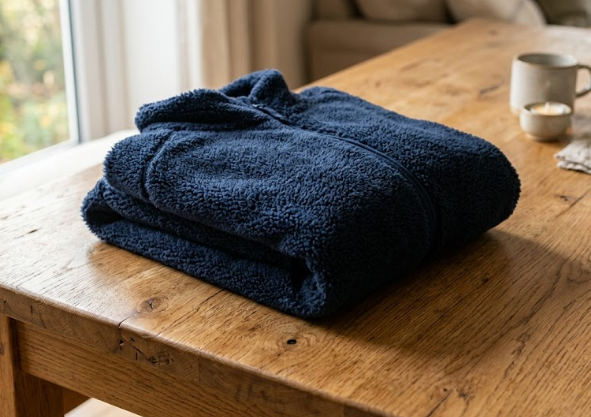

A fleece jacket can pick up sweat, dust, food splashes and the odd mark from a busy working day, but washing it after every wear is rarely necessary. The right washing routine depends on how often you wear it, the conditions you work in and how much you perspire. If you are planning to Buy Fleece Jacket in UK, understanding how to care for the fabric will help you keep it comfortable, presentable and useful for longer. A little attention between washes can make a real difference, particularly when fleece is part of your everyday workwear.
How Often Should You Wash a Fleece Jacket?
For everyday use, a fleece jacket usually needs washing after around three to five wears, provided it remains clean and does not develop an unpleasant smell. However, this is a practical guideline rather than a strict rule. Some jackets need washing sooner, while others can be worn a few more times without any problem.
Consider how you use your jacket throughout the day. Someone wearing fleece in a clean office or warehouse may not need to wash it as frequently as a construction worker spending hours outdoors. Likewise, a jacket worn over a clean base layer will generally collect less sweat than one worn directly against the skin.
Here is a simple guide to help you decide when to wash yours:
| How you use your fleece | Suggested washing frequency |
| Light use in an office or shop | After 4 to 6 wears, if still fresh |
| Regular warehouse or workplace use | After 2 to 4 wears |
| Outdoor work involving dust or dirt | When visibly dirty or after 1 to 2 wears |
| Heavy sweating or strenuous activity | After each particularly sweaty wear |
| Occasional use in cool weather | When it becomes dirty or starts to smell |
These intervals are only starting points. Always check the garment’s care label and adjust your routine according to its actual condition.
Signs That Your Fleece Jacket Needs Washing
Counting wears is useful, but your jacket can tell you quite a lot about when it needs cleaning. Pay attention to the following signs before putting it back in your wardrobe.
1. It Has Developed an Unpleasant Smell
Fleece can hold on to body odour, especially around the underarms, collar and cuffs. If the jacket smells stale after airing, it is probably time for a wash. Covering the smell with fabric spray will not remove the sweat and residue causing it.
2. Dirt Is Visible on the Fabric
Dust, grease and everyday grime can settle into the fabric, particularly around the sleeves and pockets. For people working in manufacturing, facilities management or construction, these marks may appear sooner than expected.
Small, localised stains can sometimes be treated without washing the entire jacket. However, heavily soiled clothing should be cleaned promptly, following the garment’s care instructions.
3. The Fabric Feels Less Fresh
A fleece that feels greasy, slightly stiff or uncomfortable may have collected sweat, body oils or detergent residue. Washing can help restore its freshness, provided the correct temperature and detergent are used.
4. You Have Been Sweating More Than Usual
Even in cold weather, physical work can make you sweat. If you have spent several hours lifting stock, walking between sites or carrying equipment, your jacket may need washing after that shift rather than being worn again immediately.
How to Wash a Fleece Jacket Without Damaging It
Fleece is generally straightforward to care for, but unsuitable washing methods can flatten the fabric, leave residue or cause unnecessary wear. The following steps are suitable for many everyday fleece garments, although the care label should always take priority.
Step 1: Read the Care Label
Before washing, check the recommended temperature, washing method and drying instructions. Different fleece garments can contain different materials, linings or trims, so one method will not suit every jacket.
Empty the pockets, fasten zips and secure any hook-and-loop closures. This helps prevent snagging and keeps loose items from damaging other clothes in the wash.
Step 2: Turn the Jacket Inside Out
Turning the jacket inside out reduces friction on the outer surface. It can also help remove sweat and body oils from the side that sits closest to your clothing.
If the jacket has a printed or embroidered logo, this extra precaution can help reduce rubbing against other garments. Avoid assuming that every form of branding can withstand the same washing conditions.
Step 3: Use a Gentle Washing Cycle
For many fleece jackets, a cool wash at around 30°C is a sensible option when permitted by the care label. Use a mild detergent and avoid overloading the washing machine.
Excessive heat and rough washing can affect the fabric’s appearance over time. There is no need to use a long, intensive cycle for a jacket that only needs ordinary cleaning.
Step 4: Avoid Fabric Softener
Fabric softener is best avoided with many fleece garments, particularly those designed to provide moisture management or work as part of a layering system. It can leave a coating on the fibres and affect how the material performs.
Use the detergent recommended for the garment and measure it according to the product instructions. Too much detergent can leave a residue that makes the fabric feel less pleasant.
Step 5: Dry It Carefully
Air drying is often the safest choice. Gently reshape the jacket and hang it on a suitable hanger or lay it flat in a well-ventilated area, away from direct heat.
Avoid placing it on a radiator or using a tumble dryer unless the care label specifically permits it. High temperatures can damage synthetic fibres and may affect the jacket’s shape.
Can You Wear a Fleece Jacket Several Days in a Row?
Yes, provided it remains clean, dry and comfortable. There is no general rule that requires a fleece jacket to be washed every day.
If you wear it over a clean T-shirt or another base layer, the inner layer will absorb much of the sweat before it reaches the fleece. Let the jacket air out after each shift rather than folding it away while it is still damp.
For workplace clothing, this habit is particularly useful. Employees who wear fleece throughout a long shift can keep a spare jacket available if the first becomes wet or heavily soiled. In environments where clothing comes into contact with oils, chemicals, food residue or other workplace contaminants, follow the relevant cleaning and protective clothing procedures instead of relying on ordinary wear intervals.
How to Keep Your Fleece Jacket Fresh Between Washes
Frequent washing is not always the answer to everyday freshness. A few small habits can help reduce odour and keep the fabric looking tidy.
- Air it after wearing: Hang the jacket somewhere ventilated instead of leaving it inside a work bag or locker while damp.
- Treat small stains early: Use a suitable cleaning method recommended on the care label before marks become harder to remove.
- Keep it away from dirty clothing: Store clean fleece separately from dusty trousers, damp towels and heavily soiled workwear.
- Brush off loose dirt: Once the garment is dry, gently remove surface dust with a soft clothing brush where appropriate.
- Allow it to dry fully: Putting damp fleece away can encourage musty smells and make the garment unpleasant to wear.
These habits are especially helpful for people who rely on the same jacket throughout the working week. They will not eliminate the need for washing, but they can help you avoid unnecessary laundry.
Does Frequent Washing Affect Fleece Quality?
It can. Repeated washing, abrasive contact, excessive heat and unsuitable detergents may contribute to pilling, a flattened texture or general wear. The extent of the change depends on the fabric construction, garment quality and how it is maintained.
Pilling occurs when small fibre balls develop on the surface, often where the material rubs against bags, seat belts or other clothing. It does not automatically mean the jacket has become unusable, but it can make the garment look older.
To reduce avoidable wear, wash fleece only when needed, follow the care label and avoid washing it with rough garments or items with exposed fasteners. If the jacket is used for work, check the cuffs, seams, zip and fabric surface periodically so that signs of damage do not go unnoticed.
For businesses ordering clothing for their teams, care instructions are worth considering alongside fit, colour and practicality. A reliable Uniform Supplier in UK can help businesses explore suitable workwear options for different roles, including fleece garments for staff who need an extra layer during cooler shifts.
When Should You Replace Your Fleece Jacket?
A fleece jacket does not need replacing simply because it has been washed many times. If it still fits properly, feels comfortable and serves its intended purpose, continued use may be perfectly reasonable.
Replacement may be appropriate when the fabric has thinned considerably, seams have opened, the zip no longer works or the garment cannot be cleaned adequately. If the jacket forms part of a required workwear or protective clothing arrangement, follow your employer’s replacement and inspection procedures.
For businesses buying several jackets at once, keeping track of wear and condition can make replacement planning easier. Employees can report damaged garments before they become unsuitable for everyday use, helping maintain a consistent standard across the team.
Final Thoughts
For most people, washing a fleece jacket after three to five wears is a reasonable starting point, but working conditions matter more than the number itself. A jacket worn in a clean environment may stay fresh for longer, while one exposed to sweat, dust or workplace grime may need cleaning after a single shift.
Check for odours, visible marks and dampness, and follow the care label every time you wash it. Cool washing where permitted, mild detergent and careful drying can help preserve the fabric’s feel and appearance. With sensible care, your fleece can remain a dependable layer throughout the colder months without spending more time in the washing machine than necessary.
Frequently Asked Questions
1. Should I wash my fleece jacket after every use?
Not usually. If you have worn it briefly in a clean environment and it remains fresh, you can often wear it again. Wash it sooner if it becomes sweaty, dirty or develops an unpleasant smell.
2. Can I wash a fleece jacket at 40°C?
Only if the care label allows it. Many fleece garments can be washed at lower temperatures, such as 30°C, which may help reduce unnecessary wear. Always follow the manufacturer’s instructions.
3. Is it better to hand-wash or machine-wash fleece?
Both methods can work. A gentle machine cycle is convenient for many fleece jackets, while hand-washing can be useful for garments requiring more careful treatment. The care label should determine the best approach.
4. Why does my fleece jacket smell after washing?
Possible causes include detergent residue, insufficient rinsing, sweat that has not been fully removed or the jacket being stored before it dries completely. Clean the washing machine if necessary, use the correct detergent quantity and allow the garment to dry thoroughly.
5. Can I put my fleece jacket in the tumble dryer?
Check the care label first. Some garments permit tumble drying under specific conditions, while others should be air-dried. Avoid high heat unless the manufacturer explicitly recommends it.
6. Does washing fleece make it less warm?
Washing does not automatically make fleece less warm. However, excessive heat, harsh treatment and fabric damage can affect its texture and performance over time. Correct washing and drying help maintain the garment.
7. How should I wash a fleece jacket with a printed or embroidered logo?
Turn the jacket inside out, use a gentle cycle and follow the garment’s washing instructions. Avoid excessive heat and harsh cleaning products. The durability of the logo depends on the decoration method, so check any specific care guidance provided with the garment.