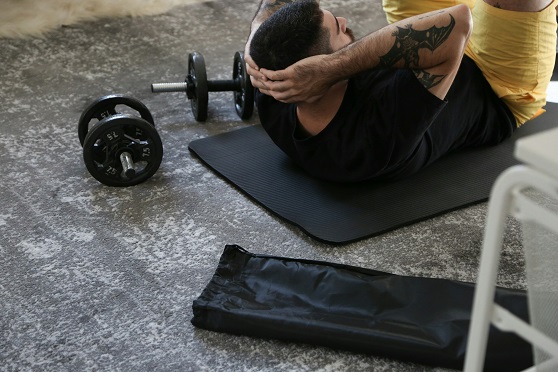

In recent years, the significance of exercising at home for weight loss has gained substantial attention. Weight loss at home offers various advantages that appeal to a wide array of individuals seeking to shed excess pounds. One of the foremost benefits is convenience. With busy schedules, many find it challenging to allocate time for trips to the gym. Exercising at home eliminates this barrier, enabling individuals to integrate fitness into their daily routines seamlessly.
Moreover, home workouts are often more cost-effective compared to gym memberships. The financial burden associated with joining a fitness facility can deter many from pursuing their weight loss goals. By exercising at home, individuals can utilize existing equipment or rely on bodyweight exercises, allowing them to achieve their fitness objectives without incurring additional costs.
Another noteworthy advantage is the ability to customize workout routines. Individuals can tailor exercises according to their preferences, fitness levels, and specific weight loss goals. Whether opting for high-intensity interval training (HIIT), yoga, or strength training, the flexibility to create personalized workouts enhances motivation and adherence to a fitness regimen.
However, embarking on a weight loss journey at home presents its own set of challenges. Consistency plays a critical role in achieving desired results. Without the structured environment of a gym, one may struggle to maintain a regular exercising schedule. Therefore, cultivating self-discipline and setting realistic goals are essential to success.
Additionally, motivation can wane when workouts are conducted in a solitary environment. To counter this, individuals can explore virtual classes, online communities, or workout partners to foster a sense of accountability and support. By recognizing the importance of consistency and motivation, individuals can harness the potential of exercising at home to facilitate their weight loss journey effectively.
Effective Home Exercises for Weight Loss
For individuals looking to lose weight at home, there are various effective exercises that can be seamlessly integrated into daily routines. These exercises can be categorized into three main types: cardiovascular, strength training, and flexibility workouts. Each type serves a specific purpose and collectively contributes to weight loss by enhancing overall fitness.
Cardiovascular exercises, often referred to as cardio, are central to burning calories. Jumping jacks and high knees are both excellent options that do not require equipment. To perform jumping jacks, start standing straight and jump while spreading your legs apart and raising your arms overhead. For high knees, run in place while lifting your knees as high as possible. Engaging in these exercises for 20-30 minutes can significantly increase your heart rate and promote fat loss.
Strength training is vital for building muscle, which in turn increases metabolism. Bodyweight exercises such as push-ups and squats are particularly effective and easy to include in a home workout routine. For push-ups, begin in a plank position and lower your body until your chest almost touches the ground, then push back up. Squats require you to stand with feet shoulder-width apart, lower your body as though sitting in a chair, and then return to the standing position. To maximize effectiveness, aim for three sets of 10-15 repetitions for each exercise.
Flexibility exercises not only improve range of motion but also aid in recovery, essential for a successful weight loss journey. Incorporating stretches such as the cat-cow pose or downward dog can help maintain muscle elasticity and reduce injury risk. The cat-cow pose is performed on all fours, alternating between arching and rounding your back. The downward dog position involves lifting your hips high while keeping your hands and feet grounded. These dynamic stretches provide the perfect cooldown after a vigorous workout.
Creating an At-Home Workout Plan
Developing a well-structured at-home workout plan is essential for effectively losing weight. This type of plan enables individuals to combine various exercise modalities, ensuring a balanced approach that enhances overall fitness. When creating your plan, it is crucial to incorporate cardiovascular, strength, and flexibility training. Each of these components plays a significant role in weight loss and should not be overlooked.
It is recommended to perform cardiovascular exercises, such as jogging in place, jump rope, or cycling on a stationary bike, for at least 150 minutes per week. This can be broken down into shorter sessions of around 30 minutes a day, five times a week. Strength training should be included at least twice a week. Bodyweight exercises like push-ups, squats, and planks can effectively build muscle mass, which increases metabolism and promotes fat loss.
Flexibility exercises, such as yoga or stretching, are equally important for recovery and should be incorporated into your routine regularly. Consider dedicating one day a week to focus solely on flexibility and mobility. In this way, your at-home workout plan remains diverse and comprehensive, preventing monotony which often leads to disengagement.
Progressing over time is another key element of an effective workout plan. As you become accustomed to the exercises, gradually increase the intensity, duration, or frequency to continue challenging your body. Moreover, setting realistic goals is vital to maintain motivation. These goals should be specific, measurable, achievable, relevant, and time-bound (SMART), allowing you to track your progress effectively.
Lastly, documenting your workouts can serve as a great motivational tool. Tracking your achievements and improvements not only reinforces your commitment but provides insight into what works best for you.
Nutrition and Lifestyle Tips to Complement Exercise
When embarking on a weight loss journey, it is crucial to recognize that exercise is only one piece of the puzzle. Nutrition and lifestyle factors play a significant role in supporting and enhancing the effectiveness of your workout regimen. A comprehensive approach that includes healthy eating habits, hydration, and sufficient sleep will bolster your efforts and contribute significantly to achieving your weight loss goals.
Healthy eating habits should prioritize whole foods over processed options. Incorporating a variety of fruits, vegetables, lean proteins, and whole grains will provide your body with essential nutrients while helping you manage your calorie intake. Pay close attention to portion sizes, as they can often contribute to overeating without realizing it. Meal planning can be a practical solution; by preparing your meals in advance, you can ensure that you have nutritious options ready to go, reducing the temptation of unhealthy snacks.
Hydration is another often overlooked aspect of weight loss. Drinking adequate water can enhance your metabolism and reduce hunger, leading to fewer calorie intakes throughout the day. Aim to drink at least eight 8-ounce glasses of water daily, and consider consuming more if you are exercising vigorously. Herbal teas and infused water can also contribute to your daily intake, providing additional benefits without added calories.
Moreover, never underestimate the importance of sleep in your weight loss journey. Quality sleep helps regulate hunger hormones and contributes to effective metabolism. Strive for at least 7-9 hours of sleep each night, as insufficient rest can lead to weight gain, making it harder to achieve your desired results.
In conclusion, combining regular exercise with a balanced diet, proper hydration, and adequate sleep is essential for a successful weight loss experience. By adopting these holistic strategies, you will be better equipped to reach and maintain your weight loss goals effectively.