
Food processing equipment failures often trace back to a single component: the sealing system. When dairy lines contaminate product batches, beverage bottling equipment develops leaks mid-shift, or pharmaceutical manufacturing stops due to seal degradation, the root cause frequently involves material selection decisions made months earlier during equipment specification.
The choice between elastomer materials for sealing applications in food contact environments determines operational reliability, maintenance schedules, and regulatory compliance outcomes. Unlike general industrial applications where performance tolerances allow broader material options, food processing environments impose strict constraints on chemical composition, temperature stability, and cleaning protocol compatibility.
Three elastomer families dominate food-safe sealing applications: EPDM, silicone, and fluoroelastomer compounds. Each material addresses different operational priorities, from cost management to extreme chemical resistance. Understanding how these materials perform under real processing conditions helps equipment specifiers match sealing solutions to actual operational demands rather than theoretical requirements.
Understanding Food Grade Sealing Material Requirements
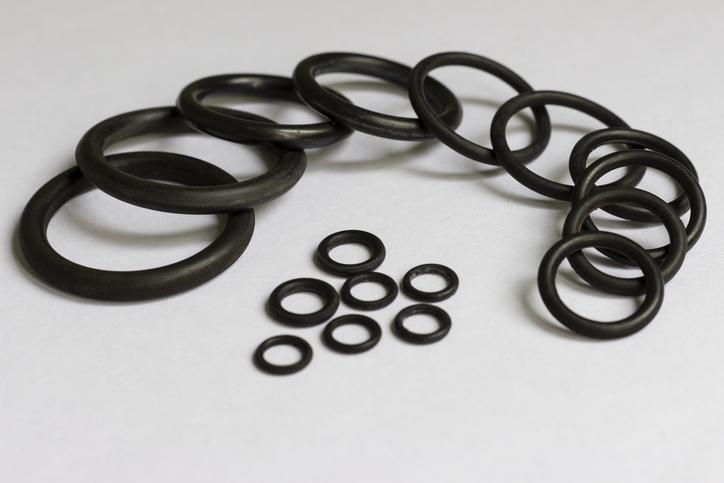
Food contact sealing materials must satisfy multiple regulatory frameworks while maintaining mechanical performance under processing conditions. The food grade o rings used in processing equipment face exposure to cleaning chemicals, temperature cycling, and direct food contact, creating a complex performance environment that eliminates many standard industrial elastomers.
Regulatory compliance begins with base polymer selection and extends through additive systems, curing agents, and manufacturing processes. Materials must demonstrate non-toxicity through migration testing, resist extraction by food simulants, and maintain structural integrity across expected service temperatures. These requirements eliminate elastomer formulations containing heavy metals, certain accelerators, and plasticizers common in general industrial applications.
Beyond regulatory compliance, food processing environments create unique mechanical stresses. Steam sterilization cycles subject seals to rapid temperature changes and saturated steam conditions. Caustic cleaning solutions attack polymer chains and can cause swelling or hardening over repeated exposures. Acidic food products introduce different chemical challenges, particularly for elastomers sensitive to pH variations.
Chemical Compatibility Considerations
Processing facility cleaning protocols determine material longevity more than food contact alone. Alkaline cleaners used for protein removal operate at elevated temperatures and concentrations that stress elastomer compounds differently than the food products themselves. Chlorinated sanitizers introduce oxidative attack mechanisms that degrade certain polymer types rapidly while leaving others unaffected.
The interaction between cleaning chemicals and elastomer materials creates cumulative effects over service life. Initial compatibility testing may show acceptable short-term performance, but repeated exposure cycles reveal gradual property changes that eventually compromise sealing effectiveness. Understanding these long-term interactions helps predict replacement intervals and maintenance requirements.
Temperature Performance Demands
Food processing temperature requirements span from frozen storage applications below freezing to pasteurization and sterilization processes above standard operating ranges. This broad temperature window challenges elastomer selection because materials optimized for high-temperature service often sacrifice low-temperature flexibility, while compounds designed for cold applications may not withstand thermal processing cycles.
Temperature cycling creates additional stress through repeated expansion and contraction cycles. Seals must maintain compression set resistance while accommodating dimensional changes in metal hardware as systems heat and cool during production cycles. Materials that perform well under steady-state temperature conditions may fail when subjected to frequent thermal cycling typical in batch processing operations.
EPDM Performance Characteristics in Food Applications
Ethylene propylene diene monomer represents the most widely specified elastomer for general food processing applications due to its broad chemical compatibility and cost-effectiveness. EPDM compounds resist water, steam, and most alkaline cleaning solutions while maintaining flexibility across moderate temperature ranges typical in many food production environments.
The material excels in applications involving aqueous food products and standard CIP cleaning protocols. Dairy processing, beverage production, and general food preparation equipment utilize EPDM sealing solutions effectively because the operating conditions align with the material’s strength areas. Steam cleaning and hot water sanitization cycles fall within EPDM’s operating envelope without causing rapid degradation.
EPDM formulations for food contact eliminate sulfur curing systems in favor of peroxide curing, improving resistance to extraction and reducing potential migration concerns. This processing change creates compounds with different mechanical properties compared to general-purpose EPDM, typically resulting in slightly higher compression set but improved chemical stability in food contact applications.
Operational Limitations of EPDM
Oil and fat compatibility represents EPDM’s primary limitation in food processing applications. The material swells significantly when exposed to vegetable oils, animal fats, and petroleum-based lubricants, making it unsuitable for equipment processing high-fat content foods or systems where incidental oil contact occurs during maintenance activities.
Temperature limitations become apparent in high-heat processing applications such as commercial cooking equipment or sterilization systems operating above standard pasteurization temperatures. While EPDM handles moderate heat exposure, extended service at elevated temperatures causes compound degradation and premature seal failure.
Maintenance and Replacement Considerations
EPDM seals typically provide predictable service life in compatible applications, making maintenance planning straightforward. The material’s response to chemical exposure develops gradually, allowing maintenance teams to identify approaching replacement needs through visual inspection and compression testing rather than sudden catastrophic failure.
Replacement costs remain low due to EPDM’s wide availability and competitive pricing structure. Standard seal sizes maintain inventory efficiently, and the material’s general-purpose nature means backup sealing solutions can often substitute temporarily during maintenance activities.
Silicone Elastomer Applications and Benefits
Silicone elastomers offer superior temperature performance and chemical inertness compared to hydrocarbon-based materials, making them essential for specialized food processing applications. The material maintains flexibility at both temperature extremes while resisting degradation from oxidizing conditions that challenge other elastomer types.
High-temperature food processing operations rely on silicone’s thermal stability for applications such as commercial baking equipment, continuous cooking systems, and sterilization equipment. The material withstands temperatures that would rapidly degrade EPDM or other conventional elastomers while maintaining sealing effectiveness throughout thermal cycling.
Silicone’s chemical inertness makes it particularly valuable in applications involving acidic foods, where pH levels create aggressive environments for other materials. According to the FDA Food Additive Status List, properly formulated silicone compounds demonstrate minimal interaction with food products, supporting their use in direct contact applications requiring maximum purity.
Performance Advantages in Specialized Applications
Low-temperature applications benefit from silicone’s ability to maintain flexibility in frozen food processing and cold storage environments. While other elastomers become rigid and lose sealing capability at reduced temperatures, silicone compounds retain elasticity sufficient for effective sealing performance.
The material’s resistance to ozone and oxygen exposure provides advantages in applications involving oxidizing sanitizers or ozone-based cleaning systems. Many food facilities utilize ozone for sanitization due to its effectiveness and lack of chemical residue, but this creates an aggressive environment for elastomers susceptible to oxidative degradation.
Application Constraints and Considerations
Mechanical strength limitations restrict silicone use in high-pressure applications or dynamic sealing situations involving significant abrasion or extrusion forces. The material’s lower durometer range and tear strength compared to other elastomers make it unsuitable for applications requiring robust mechanical performance.
Cost considerations impact specification decisions, as silicone compounds typically command premium pricing compared to EPDM alternatives. Applications must justify the additional expense through performance requirements that other materials cannot meet, such as extreme temperature exposure or specialized chemical compatibility needs.
Viton Fluoroelastomer for Demanding Environments
Fluoroelastomer compounds, commonly known by the Viton trade name, provide exceptional chemical resistance for food processing applications involving aggressive cleaning protocols or extreme operating conditions. These materials resist attack from virtually all cleaning chemicals, solvents, and food-grade lubricants that can degrade other elastomer types.
High-end food processing equipment in pharmaceutical, biotechnology, and specialty food manufacturing relies on fluoroelastomer sealing solutions where contamination prevention justifies premium material costs. The material’s broad chemical compatibility eliminates concerns about seal degradation from cleaning protocol changes or exposure to unexpected chemical environments.
Steam sterilization applications benefit from fluoroelastomer’s ability to withstand repeated autoclave cycles without property degradation. Unlike other materials that gradually lose elasticity or develop compression set after repeated steam exposure, properly formulated fluoroelastomer compounds maintain sealing performance throughout extended sterilization cycling.
Chemical Processing Applications
Food processing operations involving organic solvents, such as flavor extraction or pharmaceutical manufacturing, require fluoroelastomer’s resistance to chemical attack. The material maintains dimensional stability and mechanical properties when exposed to alcohols, ketones, and other solvents that cause severe swelling or degradation in conventional elastomers.
Cleaning validation protocols in regulated manufacturing environments benefit from fluoroelastomer’s chemical inertness, which eliminates concerns about extractable compounds or seal degradation products contaminating cleaned equipment surfaces. This chemical stability supports validation activities required for pharmaceutical and medical device manufacturing compliance.
Economic and Operational Trade-offs
Material costs for fluoroelastomer compounds significantly exceed other food-grade elastomer options, requiring careful economic analysis of application requirements versus performance benefits. The investment typically proves justified in critical applications where seal failure creates significant operational disruption or regulatory compliance issues.
Extended service life partially offsets initial material costs in applications where fluoroelastomer’s chemical resistance eliminates premature replacement due to cleaning chemical attack or thermal degradation. Maintenance planning benefits from predictable seal performance over extended service intervals.
Application-Specific Material Selection Guidelines
Successful material selection requires matching elastomer properties to dominant performance requirements rather than attempting to optimize for all possible conditions. Processing environments typically present one primary challenge—temperature, chemical exposure, or mechanical stress—that determines appropriate material selection while secondary factors influence specific compound formulation choices.
Aqueous food processing with standard cleaning protocols favors EPDM solutions due to cost-effectiveness and adequate performance characteristics. These applications represent the majority of food processing sealing requirements and benefit from EPDM’s established supply chain and technical support infrastructure.
Specialized processing conditions requiring extreme temperature performance, aggressive chemical resistance, or maximum purity justify premium material solutions such as silicone or fluoroelastomer compounds. These applications typically involve smaller quantities but critical performance requirements that eliminate lower-cost alternatives.
System Integration Factors
Sealing system design influences material selection through groove geometry, installation requirements, and maintenance access considerations. Some applications benefit from softer materials that accommodate installation tolerances, while others require firmer compounds that resist extrusion under system pressure.
Maintenance procedures impact material choice through accessibility for replacement activities and compatibility with removal tools or techniques. Applications requiring frequent seal replacement may favor materials with installation characteristics that simplify maintenance procedures, even if initial cost or performance represents a compromise.
Regulatory Compliance Verification
Food processing operations must verify that selected materials maintain regulatory compliance throughout service life, not just at initial installation. This requires understanding how processing conditions affect material properties and whether degradation products could create compliance concerns over time.
Documentation requirements for regulated manufacturing environments favor materials with established regulatory histories and comprehensive technical documentation. New or specialty compounds may offer superior performance but create validation challenges that offset technical benefits in highly regulated applications.
Conclusion
Material selection for food grade sealing applications requires balancing performance requirements against operational realities including cost, maintenance complexity, and regulatory compliance demands. EPDM provides reliable, cost-effective performance for standard food processing applications involving aqueous products and conventional cleaning protocols. Silicone elastomers address specialized temperature requirements and offer chemical inertness for demanding purity applications. Fluoroelastomer compounds deliver comprehensive chemical resistance for the most challenging processing environments where premium performance justifies increased material costs.
Successful implementation depends on accurately identifying the primary performance driver in each application rather than attempting to address all possible requirements with a single material choice. Processing facilities benefit from developing material selection criteria that match elastomer capabilities to actual operating conditions while maintaining appropriate safety margins for process variations and equipment aging effects.
The evolution of food processing technology and regulatory requirements continues to influence sealing material selection, making ongoing evaluation of new compounds and formulations essential for maintaining competitive operations. Understanding the fundamental performance characteristics of these three elastomer families provides the foundation for adapting to changing requirements while maintaining reliable sealing performance across diverse food processing applications.