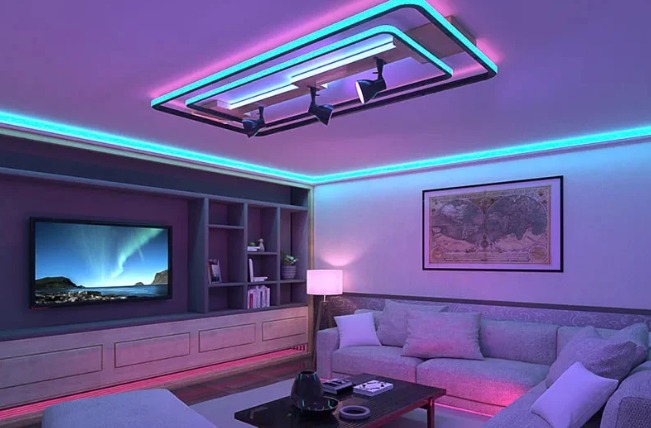

Introduction: The Importance of Choosing Quality LED Strip Lights
A carefully placed strip of light can turn an ordinary room into a welcoming space, make products stand out in a shop, or highlight the architectural details of a building. LED strip lights have become popular because they combine flexible installation, compact construction, and versatile illumination. However, achieving dependable results requires more than selecting an attractive lighting design. Product quality, electrical compatibility, material selection, and manufacturing standards all influence performance. Understanding these factors helps homeowners, contractors, and businesses choose suitable lighting solutions that balance appearance, efficiency, and durability across different residential and commercial applications.
Understanding LED Strip Light Construction
LED strip lights are manufactured by mounting light-emitting diodes onto a flexible printed circuit board. This design allows the strips to follow straight surfaces, corners, recessed channels, and decorative structures. Depending on the product, manufacturers may offer different LED densities, widths, color temperatures, brightness levels, and control options. An Expert led strip lights Supplier can help buyers understand these specifications and identify products appropriate for their intended applications. Evaluating construction quality is important because circuit materials, soldering, and component consistency can affect reliability. Careful product selection supports better illumination and helps reduce installation problems.
The Role of PCB Color in Lighting Applications
The printed circuit board, or PCB, supports the electrical components and provides the physical foundation of an LED strip. Its color can influence the appearance of an installation, especially when the strip remains visible rather than being concealed inside a profile. For example, the specification 3528 LED light strip PCB Color: White identifies a white circuit board used in a particular strip design. White boards can blend naturally with light-colored surfaces and may suit visible decorative installations. However, the most appropriate PCB color depends on the surrounding materials, installation method, and desired appearance rather than color alone.
Manufacturing Standards and Product Consistency
Reliable LED strip production requires careful attention to component quality, assembly accuracy, electrical testing, and finished-product inspection. Small inconsistencies in LED placement or soldering can affect illumination and operational stability. A professional LED Strip Lights factory should maintain suitable quality controls to help ensure that products meet their specified requirements. Buyers should review available technical documentation and, when practical, evaluate samples before placing larger orders. Consistency between production batches is especially important for businesses managing multiple installations. Clear product specifications and dependable inspection practices help reduce unexpected differences in brightness, color, dimensions, and overall performance.
Energy Efficiency and Electrical Performance
LED strips are commonly selected for their ability to provide useful illumination with relatively low electricity consumption. Actual efficiency depends on the design, power rating, brightness, and quality of the electrical components used. Choosing a compatible power supply is essential because incorrect voltage or insufficient capacity can cause flickering, overheating, or premature failure. Installers should calculate the expected load before connecting multiple strips and consider voltage drop in longer runs. Appropriate wiring and effective heat management also contribute to stable performance. Understanding these technical requirements helps buyers choose products that meet their lighting needs without creating avoidable operating problems.
Applications in Residential and Commercial Spaces
LED strip lighting can be adapted to many different environments. In residential properties, it may illuminate kitchen cabinets, wardrobes, staircases, and recessed ceilings. Retail stores often use strips to highlight merchandise, shelving, and display counters, while hotels and restaurants may incorporate them into decorative features. An Expert led strip lights Supplier can help purchasers compare options according to brightness, color temperature, dimensions, and installation requirements. The intended purpose should guide product selection because accent lighting and task lighting require different levels of illumination. Careful positioning can improve visibility, emphasize architectural details, and create a balanced visual effect.
Durability and Environmental Protection
Environmental conditions can significantly affect LED strip performance over time. Dust, moisture, heat, and unsuitable mounting surfaces may reduce reliability when the product is not designed for the installation environment. Outdoor or damp locations may require strips with appropriate ingress protection ratings and suitable protective coverings. Buyers should also check operating temperature limits, adhesive performance, and connector protection. A capable LED Strip Lights factory should provide clear information about the intended operating conditions of its products. Following installation instructions and matching protection levels to the environment can help prevent premature damage and support dependable illumination throughout the expected service life.
Selecting a Suitable Supplier
Choosing a supplier involves evaluating product specifications, customization options, communication, delivery expectations, and after-sales support. Buyers should confirm the availability of technical documentation, warranty conditions, and consistent product configurations before making purchasing decisions. Businesses ordering strips for recurring projects may also benefit from checking sample quality and clarifying minimum order quantities. Price is important, but it should be considered alongside durability and product consistency. A transparent supplier relationship can help contractors, distributors, and designers obtain suitable lighting products while reducing the risk of misunderstandings. Clear requirements established before ordering can improve purchasing efficiency and project outcomes.
Conclusion
Quality LED strip lighting offers a flexible way to improve illumination, highlight architectural features, and create attractive residential and commercial environments. Successful results depend on appropriate product specifications, reliable manufacturing, electrical compatibility, and careful installation. Businesses researching lighting options can visit dekingled.com to explore products that may suit different project requirements. Comparing technical details, evaluating samples, and confirming environmental suitability can support more informed purchasing decisions. With proper planning and suitable components, LED strip lights can provide consistent visual results, practical energy use, and dependable performance across a wide range of modern lighting applications.