

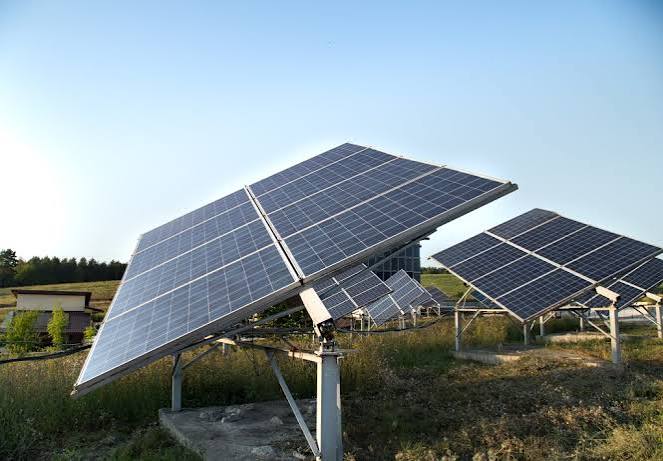

The UAE’s solar market is growing quickly, but buying solar equipment is not as simple as choosing the panel with the highest wattage or the inverter with the longest feature list. Heat, dust, humidity, system design and equipment compatibility all affect how well a solar installation performs. The supplier you choose can therefore have a direct influence on product selection, project efficiency and long-term reliability.
Working with a knowledgeable solar equipment supplier in the UAE gives homeowners, installers and commercial buyers access to products selected for regional conditions. A capable supplier should do more than provide a catalogue. It should help customers compare specifications, confirm compatibility and choose solar panels, inverters and batteries that work together as one complete system.
Start with the Requirements of the Project
Every solar project begins with a different objective. A homeowner may want to reduce daytime grid consumption, while a warehouse may need high-output panels for a large roof. An off-grid site may depend on battery storage and generator integration, whereas a grid-connected project must meet the technical requirements of the relevant local authority.
Before recommending equipment, a supplier should ask about daily consumption, available space, grid connection, backup expectations and the loads that must remain active during an outage. These details determine the appropriate panel capacity, inverter type, battery size and electrical configuration. Reliable suppliers begin with the application rather than offering the same solution to every customer.
Choose Solar Panels for UAE Conditions
Solar panels in the UAE operate under intense sunlight and high ambient temperatures. Although strong sunshine supports energy generation, excessive cell temperature can reduce instantaneous output. Buyers should therefore compare more than headline efficiency and wattage.
Important specifications include the temperature coefficient, operating range, degradation terms, mechanical ratings and warranty. Module construction also matters. Monofacial, bifacial, single-glass and dual-glass panels suit different layouts. Bifacial modules need appropriate mounting and reflective surroundings to benefit from rear-side generation.
A trustworthy supplier should provide the manufacturer’s datasheet and identify the exact model offered. Brand names alone are insufficient because each manufacturer produces series with different cell technologies, dimensions and electrical characteristics. PAS Solar carries panels from recognised manufacturers such as Trina Solar and JA Solar, enabling model-level comparison.
Match the Inverter to the Panels and Electrical System
The inverter is the control centre of a solar power system. It converts direct current from the panels into usable alternating current and manages key operating functions. Choosing the wrong inverter can limit energy production, create compatibility issues or prevent the system from supporting the intended loads.
Buyers first need to decide whether the project requires an on-grid, off-grid or hybrid inverter. An on-grid inverter is designed to operate with the utility network. An off-grid model works independently and is normally paired with batteries. A hybrid inverter can coordinate solar generation, battery storage and grid power, but its precise capabilities differ by model.
Selection should also consider output, phase configuration, MPPT range, input current, surge capability and environmental protection. For storage systems, the inverter must support the battery voltage and communication protocol. A reliable supplier checks these relationships before an order is placed.
Treat Battery Compatibility as a Technical Requirement
Solar batteries should never be selected by capacity alone. Two batteries with similar advertised storage may differ in usable energy, voltage, discharge current, cycle design, communication method and permitted installation environment.
Lithium iron phosphate batteries are widely used in modern solar storage because of their thermal stability, usable capacity and cycle performance. However, the battery management system remains essential. It monitors cells, controls charging and discharging, and protects the battery from operating outside safe limits.
Compatibility between battery and inverter is critical. Buyers should confirm that the exact models can communicate and that the required cable, firmware and settings are available. The supplier should also evaluate the expected load, backup duration, charging power and installation location before recommending capacity.
Verify Documentation, Warranty and Product Identity
Customers should request datasheets, warranty terms, manuals and model identifiers before ordering. The model number on the quotation should match the product label, packaging and technical documents.
Warranty terms also require careful reading. Panels may have separate product and performance warranties, while inverter and battery coverage can depend on installation, temperature, monitoring or approved combinations. Buyers should know who handles support and how claims are submitted.
For grid-connected projects in Dubai, equipment eligibility and project approval should also be confirmed through the current requirements of DEWA and the Shams Dubai process. Equipment appearing on an eligible-products list does not replace the need for proper system design, documentation and approval by the appropriate parties.
Look for Technical Support, Not Just Product Availability
Stock matters when projects follow fixed schedules, but technical support is equally important. Recommendations should be connected to datasheets, system requirements and installation conditions rather than vague claims about quality or efficiency.
After-sales support may include identifying compatible accessories, locating manuals and checking model details. Installers benefit from a supplier that understands complete systems instead of treating each component in isolation.
PAS Solar supplies solar panels, solar inverters and battery-storage products for residential, commercial and industrial applications. Its Dubai location gives customers a local point of contact for product enquiries and technical discussions. Buyers can compare available equipment, review specifications and discuss system requirements with a team familiar with solar products used in the UAE market.
Build a Better Solar System with the Right Supplier
The right solar supplier helps turn separate components into a coordinated system. It considers the project load, installation environment, panel characteristics, inverter limits and battery compatibility before recommending products. It also provides clear documentation and avoids making performance promises that are not supported by technical information.
For customers planning a new solar project or upgrading an existing system, PAS Solar offers access to panels, inverters and energy-storage equipment from its location in Deira, Dubai. Contact the team to discuss the intended application, compare suitable models and identify the components needed for a reliable solar solution in the UAE.

![swimsuit edition [abbb] - 1.20 21 swimsuit edition - chapter](https://postplace.co.uk/wp-content/uploads/2025/06/Charfen.co_.uk-39.png)
