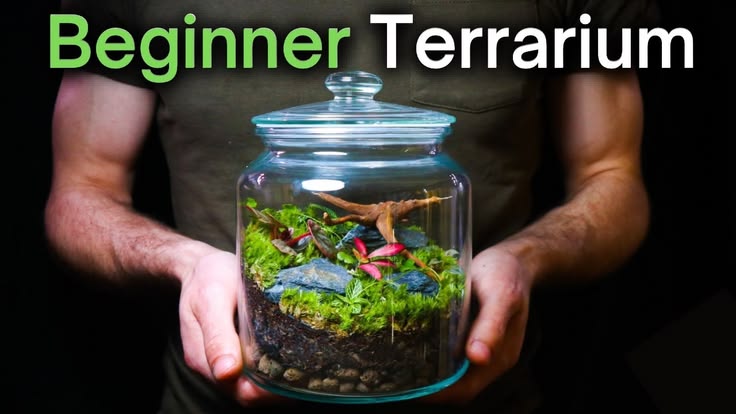

Living in a city flat often means you don’t have access to a private garden or outdoor space. Growing plants indoors is a brilliant way to bring nature into your home and improve your living environment.
Terrariums are perfect for this because they take up very little space and are easy to maintain once you set them up. Follow along to learn how you can build your own miniature garden from scratch.
Closed vs Open Enclosures for Your Flat
Before you start building, you need to decide what type of environment you want to create. Closed terrariums work as self-sustaining ecosystems. They trap moisture, which creates a humid environment where tropical plants thrive. If you want a low-maintenance setup that you rarely have to water, a closed container is the best option.
Open terrariums are better suited for plants that prefer dry conditions, such as succulents and cacti. These containers allow air to circulate freely and prevent moisture from building up. If your flat gets plenty of direct sunlight, an open container is a great choice.
Materials to Construct Your Mini Garden
When it comes to the container itself, you have a few options. Traditional glass jars and fishbowls are popular, but they can be heavy and fragile. Many urban gardeners now choose to build their own custom enclosures to fit specific shelves or awkward corners in their flats.
While glass is the traditional choice, many city dwellers now make their own custom tanks. For custom builds, using a clear PETG sheet is often much easier because you can cut and shape it without the risk of shattering. It’s lighter than glass and offers excellent clarity even in thin pieces, which makes it ideal for custom-shaped enclosures. You can easily bond the pieces together to create a watertight container of any size.
Choose the Right Plants and Substrate
Success with your new indoor garden depends heavily on the layers you build at the bottom of the container. These layers ensure proper drainage so that your plants’ roots don’t rot in standing water. You can find these items at most local garden centres.
Here are the essential components you need to layer inside your container:
- Drainage gravel: A bottom layer of small stones or pebbles to collect excess water.
- Activated charcoal: A thin layer to keep the water fresh and prevent bacteria build-up.
- Sphagnum moss: A barrier layer to stop the soil from falling into the rocks.
- Potting soil: A high-quality soil mix that suits either tropical or desert plants.
Once you have your layers sorted, you can select your plants. For closed containers, choose ferns, fittonias, and mosses. For open containers, opt for small succulents, echeveria, or air plants.
Put Your Terrarium Together
Assembly is a simple process that requires a bit of patience. Start by thoroughly cleaning your container to ensure there are no chemical residues or dirt on the walls. Add your drainage stones first, followed by the charcoal, and then your potting soil.
Make small holes in the soil and gently place your plants inside, tucking the roots in securely. You can use long tweezers to help position delicate stems if your container has a narrow opening. Once the plants are in place, add a light mist of water to settle the soil.
Your Next Steps to a Greener Indoor Space
After assembling your terrarium, place it in a spot with indirect sunlight. Direct sun can heat up a closed container too much and scorch your plants. Watch the moisture levels over the first few weeks, and open the lid for a few hours if you see excessive condensation on the walls.
With just a little care, your miniature garden will grow and look great for years. It’s a satisfying project that instantly adds life to any urban living room or office desk.