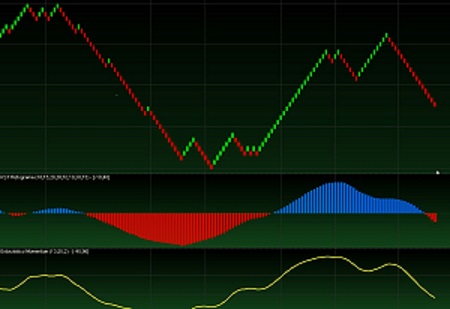

Introduction to Financial Markets
Financial markets overview are platforms where individuals and institutions engage in the exchange of financial assets, including stocks, bonds, currencies, and derivatives. These markets serve as critical components of the global economy, providing mechanisms for capital allocation, pricing, and risk management. By facilitating the buying and selling of assets, financial markets allow participants to invest surplus funds or raise capital, thereby enabling businesses and governments to fund operations and growth initiatives.
There are various types of financial markets, each catering to different needs and preferences. The most prominent among them are the stock markets, which are platforms for buying and selling shares of publicly traded companies. Stock markets not only enable companies to raise equity capital but also provide investors a way to share in the company’s profits and growth potential. The bond market is another significant segment, where investors can purchase debt securities issued by governments or corporations, thus lending capital for interest. This market plays an essential role in providing predictable returns to investors while helping issuers meet their funding needs.
Additionally, the foreign exchange (forex) market is the largest and most liquid market in the world, where currencies are traded against one another. It facilitates international trade and investment by allowing currency conversion, thus enabling businesses to operate across borders. Financial markets apply rules and regulations to ensure fair trading practices, transparency, and protection of investors. Understanding how these markets operate and their roles in the broader economic landscape is crucial for anyone looking to navigate the complexities of finance, especially in the context of their ongoing evolution in the digital age.
The Rise of Digital Technologies
The onset of the digital age has introduced a myriad of technologies that have significantly reshaped financial markets, making them more efficient, accessible, and interconnected than ever before. One of the most transformative developments has been the emergence of the internet. With the rise of online trading platforms, retail investors now enjoy unprecedented access to global markets. This connectivity has eliminated geographical barriers, allowing individuals to engage in financial transactions from the comfort of their homes with just a few clicks.
Furthermore, mobile technology has reinforced this trend by enabling transactions to occur at any time and from anywhere. Mobile applications designed for banking and trading have made it easier for users to manage their investments and stay updated on market trends. The integration of real-time data analytics in these apps provides users with valuable insights, facilitating informed decision-making that was previously reserved for institutional investors.
Blockchain technology represents another significant advancement in financial technology. By offering a secure and decentralized method for recording transactions, blockchain enhances transparency and trust in financial dealings. It has also paved the way for cryptocurrencies, which have garnered both interest and investment across the globe. The introduction of blockchain has potential implications for various sectors of finance, including payments, clearing, and settlement processes.
As digital technologies continue to evolve, they are likely to further augment the capabilities of financial markets. Innovations such as artificial intelligence and big data analytics are already beginning to influence market strategies and customer experiences. These advancements are not only facilitating rapid information dissemination but are also shaping competition among financial institutions as they adopt more sophisticated tools to attract and retain clients.
Impact of Online Trading Platforms
The emergence of online trading platforms has significantly transformed the landscape of retail investing, making financial markets more accessible to a broader audience. Traditionally, investing was often perceived as an activity reserved for the affluent or experienced individuals, primarily due to high barriers such as hefty fees and the requirement of substantial capital. However, online trading platforms have democratized finance, allowing individuals from various backgrounds to engage in investment activities with relative ease.
One of the primary advantages of these platforms is the reduction of transaction fees, which has historically been a deterrent for many prospective investors. Many online platforms offer commission-free trading options, allowing users to buy and sell securities without incurring substantial costs. This has encouraged investors to actively participate in the market without the fear of eroding their capital through high commissions, thereby fostering a more engaged community of traders and investors.
Moreover, the accessibility provided by online trading platforms enables individuals to invest in a wide array of financial products. From stocks and bonds to alternative investments like cryptocurrencies and ETFs, more options are now available within a few clicks. This variety empowers investors to diversify their portfolios more easily and adapt their investment strategies based on changing market conditions.
Furthermore, the introduction of online trading has also led to educational resources and tools becoming more widespread. Many platforms offer tutorials, analytical tools, and market data, which equips novice investors with the knowledge and skills needed to navigate financial markets confidently. As a result, these platforms have played a pivotal role in encouraging individuals to take charge of their financial futures, leading to increased participation rates in retail investing.
Algorithmic Trading and High-Frequency Trading
Algorithmic trading, which utilizes complex mathematical models and automated processes, has transformed financial markets significantly, particularly in the realm of high-frequency trading (HFT). This trading practice involves the execution of orders at extremely rapid rates, often within milliseconds, enabled by sophisticated algorithms. These algorithms analyze multiple market factors simultaneously, allowing traders to capitalize on price discrepancies across various platforms quickly.
The rise of algorithmic trading has markedly increased market liquidity. By facilitating a higher volume of trades, these systems enable more participants to enter and exit positions with greater ease. Consequently, this influx of activity often results in narrower bid-ask spreads, benefiting all market players. However, the reliance on technology also raises concerns regarding market volatility. Sudden spikes in trading activity can lead to abrupt price movements, sometimes exacerbated by unintended algorithmic errors or cascading failures, resulting in market disruptions.
Moreover, the deployment of HFT strategies has reshaped the competitive landscape of trading. Firms employing advanced technologies possess a discernible advantage, often leading to a concentration of trading power among a select few participants who can afford the extensive infrastructure required for optimal algorithm performance. This dynamic raises important questions about market fairness and transparency, especially for retail investors who may find themselves at a disadvantage.
As financial markets continue to evolve with the advancement of technology, the role of algorithmic trading and HFT becomes increasingly prominent. While they contribute to enhanced liquidity, they also introduce complexities that regulators must address to ensure a balanced trading environment. Understanding the repercussions of these systems is essential for traders, investors, and regulators alike, as they navigate the often turbulent waters of modern financial markets.
The Role of Social Media and Information Flow
In the contemporary landscape of financial markets, social media has become an influential player in shaping the flow of information. Platforms such as Twitter and Reddit allow for instantaneous sharing and exchange of insights among investors and traders, thereby altering traditional mechanisms of information dissemination. This democratization of information is a significant shift away from the previous reliance on formal financial news outlets, giving individual investors a voice and a platform to influence market perceptions.
The rise of “meme stocks,” or stocks that gain attention through social media, exemplifies the impact of this trend. On platforms like Reddit, users can mobilize around specific stocks, driving collective action that can lead to unprecedented price spikes. For example, the GameStop trading phenomenon in early 2021 highlights how social media-fueled communities can challenge institutional trading norms and disrupt established market dynamics. Such occurrences illustrate how retail investors can band together to influence stock prices, creating volatility that was less prevalent before the advent of social media.
Moreover, the nature of information flow via social media is rapid and often unchecked, which can contribute to both the rapid spread of actionable insights and misinformation. The virality of news on platforms like Twitter means that market sentiments can shift almost overnight based on trends or tweets from influential figures. This immediacy impacts investors’ decision-making processes, leading to potential overreactions that can affect stock valuations. Consequently, understanding how to navigate this new information landscape has become critical for modern investors who must discern between credible information and mere speculation.
Cryptocurrencies and Decentralized Finance (DeFi)
In recent years, cryptocurrencies and decentralized finance (DeFi) have emerged as transformative forces within the financial markets. Cryptocurrencies, most notably Bitcoin and Ethereum, challenge the very foundation of traditional finance by introducing peer-to-peer transaction capabilities without the need for intermediaries such as banks. This structural innovation facilitates lower transaction fees, instant transfers, and improved access to global markets, particularly for the unbanked populations.
The rise of DeFi further amplifies the impact of cryptocurrencies by providing a comprehensive suite of financial services, including lending, borrowing, and trading, all executed on blockchain technology. These platforms operate in a decentralized manner, meaning they do not rely on a central authority, thus fostering a level of transparency and security unparalleled in conventional finance. As a result, users can engage in financial transactions while retaining control of their assets, significantly reducing the risks associated with counterparty exposure.
The implications of cryptocurrencies and DeFi for regulatory environments are profound. As these financial innovations evolve, lawmakers face challenges in crafting regulatory frameworks that balance innovation with consumer protection. The decentralized nature of these systems complicates oversight and enforcement, leading to concerns over fraud, money laundering, and regulatory arbitrage. Consequently, regulators worldwide are exploring ways to adapt existing laws or create new regulations that will provide clarity while fostering innovation.
Investment opportunities in cryptocurrencies and DeFi have also expanded dramatically. Investors are increasingly diversifying their portfolios to include digital assets, driven by the potential for high returns and hedge against inflation. Institutional interest in cryptocurrencies has surged, with large corporations and hedge funds allocating significant resources to this asset class. This increasing legitimacy further demonstrates how cryptocurrencies and DeFi are reshaping the landscape of the financial system.
The Regulatory Landscape in the Digital Age
The emergence of digital financial markets has necessitated a comprehensive reevaluation of regulatory frameworks established in the pre-digital era. As innovative financial technologies rapidly transform the way transactions are conducted, regulators face the challenge of adapting existing laws and developing new regulations designed to promote innovation while simultaneously safeguarding investors. Striking this balance is crucial to ensure the stability of financial markets in an increasingly digital environment.
Regulatory bodies worldwide are currently engaged in various initiatives aimed at modernizing financial regulations. One such initiative is the establishment of sandbox environments, which allow fintech companies to test their products under the watchful eye of regulators. These controlled environments enable innovators to experiment with new technologies and business models without the full burden of existing regulatory requirements, fostering a culture of creativity and fostering growth in the sector.
Moreover, recent regulatory developments such as the implementation of the General Data Protection Regulation (GDPR) and the revised Payment Services Directive (PSD2) in Europe represent significant shifts in regulatory expectations. GDPR emphasizes data protection and user privacy, impacting how financial institutions handle sensitive personal information. In contrast, PSD2 encourages competition by mandating banks to open their payment systems to third-party providers, enabling a broader range of financial services and enhancing consumer choice.
On a global scale, organizations like the Financial Stability Board (FSB) monitor the implications of digital finance and work towards harmonizing regulations across jurisdictions. This approach is vital as digital markets often transcend borders, and inconsistent regulations could hinder innovation and investment. Overall, as digital financial markets continue to evolve, regulators must remain proactive, ensuring that consumer protection measures are in place while still promoting an environment conducive to technological advancement and financial innovation.
The Future of Financial Markets
The financial markets are poised for significant transformations as they adapt to the continuing digital revolution. The ongoing advancements in technology suggest that the future will likely see even greater levels of automation within trading and investment processes. Algorithmic trading, which utilizes mathematical models to automate trading strategies, is expected to evolve further, potentially increasing efficiency and reducing human error. Such automation not only streamlines operations but also opens doors for enhanced data analysis, allowing market participants to make more informed decisions based on real-time information.
Moreover, we are beginning to witness a convergence between traditional and digital assets. The introduction of blockchain technology has enabled the creation of decentralized finance (DeFi), which could fundamentally change how financial transactions are conducted. As both digital currencies and traditional financial instruments become more integrated, investors may benefit from a broader range of investment opportunities and greater liquidity. This merging of asset classes calls for increased regulatory scrutiny to safeguard investors and maintain market integrity.
However, the transition towards a more digital future is not without its challenges. The rapid pace of technological evolution raises concerns regarding cybersecurity, data privacy, and the potential for market manipulation. Financial institutions must adapt to these emerging risks, investing in robust security measures and continually updating their technological infrastructure to defend against cyber threats. Additionally, the adoption of artificial intelligence in financial markets necessitates transparent mechanisms to ensure that these systems do not unintentionally foster inequalities or biases.
In conclusion, the future trajectory of financial markets, shaped by ongoing digital transformations, presents both opportunities and challenges. As automated processes become integral to trading and investment, and as the barriers between asset classes blur, it is crucial for market participants to stay informed about these trends and their implications for the broader financial landscape.
Conclusion
The financial markets have undergone a remarkable transformation in the digital age, characterized by advancements in technology that have reshaped trading, investment strategies, and regulatory frameworks. These shifts were examined through various lenses throughout the blog, revealing their multifaceted impact on the industry. Notable developments include the rise of algorithmic trading, blockchain technology, and the proliferation of fintech innovations, all of which have contributed to increased market efficiency and accessibility.
Furthermore, as investors have become equipped with cutting-edge tools and access to information, their decision-making processes have evolved significantly. The emergence of online trading platforms has democratized investing, enabling individuals with varying levels of experience to participate actively in the markets. This democratization presents both opportunities and challenges, as it encourages engagement but also raises concerns regarding financial literacy and the associated risks of investing.
On the regulatory front, the rapid evolution of financial markets necessitates a proactive approach from authorities to adapt to these changes while ensuring the integrity and stability of the financial system. Policymakers face the complex task of balancing innovation with the need for consumer protection and market fairness. The growing importance of cybersecurity measures and the implications of data privacy further underscores the challenges regulators must navigate in this digital landscape.
In summary, the evolution of financial markets in the digital age highlights a significant shift that has left a lasting impact on investors, regulators, and the economy as a whole. As technology continues to advance, it is crucial for all stakeholders to remain vigilant and adaptable to the changes in order to harness the potential benefits while mitigating risks inherent in this rapidly evolving environment.