
Introduction to Ocean Climate Regulation
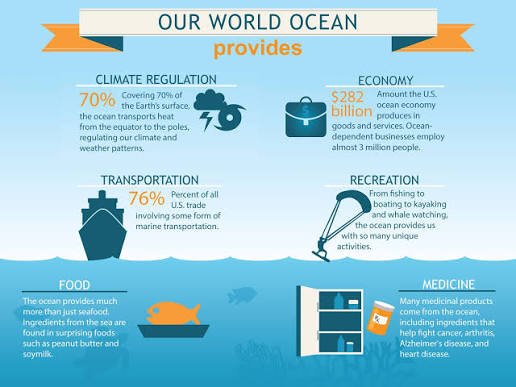
The oceans are a fundamental component of the Earth’s climate system, occupying over 70% of the planet’s surface. These vast bodies of water play a crucial role in regulating temperature, influencing weather patterns, and maintaining climate stability. The significance of oceans extends well beyond their physical presence; they are dynamic systems that interact with the atmosphere, land, and living organisms, shaping the environmental conditions we experience.
One of the primary ways oceans help regulate climate is through the absorption and storage of solar energy. Water has a high heat capacity, meaning it can store large amounts of heat without experiencing significant temperature changes. This property allows oceans to absorb excess solar energy during summer months, which is then gradually released during colder seasons. Consequently, this process moderates global temperatures and contributes to a more stable climate.
In addition to heat regulation, oceans significantly influence weather systems across the globe. For instance, ocean currents, driven by wind patterns and the Earth’s rotation, redistribute heat around the planet. The Gulf Stream, a prominent ocean current in the Atlantic Ocean, carries warm water from the tropics to the northern regions, impacting not only regional climates but also global weather patterns. Changes in ocean currents can result in shifts in climate, leading to phenomena such as El Niño and La Niña, which have far-reaching effects on global weather systems.
Furthermore, oceans are integral to the carbon cycle. They absorb a substantial portion of carbon dioxide (CO2) emissions produced by human activities, playing a vital role in mitigating climate change. Phytoplankton, microscopic plants in the ocean, contribute to this process by using CO2 during photosynthesis, which helps regulate atmospheric CO2 levels. Thus, the health of ocean ecosystems is directly linked to the Earth’s climate stability and overall well-being.
Oceans as a Heat Reservoir
The role of oceans in regulating the Earth’s climate is profound, primarily due to their capacity to absorb, store, and redistribute solar heat. Oceans cover more than 70% of the Earth’s surface and possess a high specific heat capacity, which allows them to store large amounts of thermal energy. This process is crucial for maintaining the planet’s temperature and supporting various climatic conditions.
One of the key mechanisms by which oceans manage heat is through thermal stratification. Thermal stratification occurs when water layers form based on temperature differences. The warmer water, which is less dense, stays on the surface, while the colder, denser water sinks. This layering can create significant temperature gradients in the ocean, from the warm surface to the cooler depths. Such stratification influences marine ecosystems and climatic events, playing a vital role in nutrient distribution and biological productivity.
Additionally, ocean currents, driven by wind patterns and the Earth’s rotation, contribute to the redistribution of heat across the planet. These convection currents circulate water from equatorial regions to polar areas, moderating temperatures in both environments. For instance, the Gulf Stream transports warm water from the Gulf of Mexico along the Eastern coast of the United States towards Europe, significantly affecting the climate of these regions. In this way, the oceans function much like a vast conveyor belt, transferring thermal energy and thus directly impacting global climatic conditions.
The interaction between thermal stratification and ocean currents underscores the importance of oceans as heat reservoirs in the context of climate regulation. As they absorb and redistribute heat, oceans help buffer the planet against extreme temperature fluctuations, contributing to a more stable climate. Given the changing climate and rising temperatures, understanding how oceans operate as heat reservoirs is critical in managing and mitigating the impacts of climate change.
Carbon Dioxide Absorption and Emission
The oceans play a vital role in the global carbon cycle, acting as a significant reservoir for carbon dioxide (CO2) from the atmosphere. This natural process involves the absorption of CO2 by ocean waters, which can effectively reduce the concentration of this greenhouse gas in the atmosphere. A considerable portion—approximately 30%—of the anthropogenic CO2 emissions produced by human activities is absorbed by the oceans, highlighting their importance in climate regulation.
When CO2 enters the ocean, it undergoes a series of chemical reactions to form carbonic acid, which subsequently dissociates into bicarbonate and carbonate ions. This transformation is crucial as it not only helps in neutralizing the acidity of ocean waters but also creates a balance that allows marine organisms to utilize carbonate for the formation of shells and skeletons. However, the increased concentration of CO2 in the oceans leads to ocean acidification, posing significant threats to marine ecosystems and biodiversity.
Furthermore, the oceans not only absorb CO2 but also release it back into the atmosphere through various mechanisms. This emission of CO2 can occur due to changes in temperature, salinity, and biological processes within marine environments. Warmer ocean temperatures often facilitate the release of stored CO2, thereby contributing to the greenhouse effect and accelerating climate change. Thus, understanding the delicate balance between carbon absorption and emission is critical for climate science.
In summary, the oceans’ ability to absorb and emit carbon dioxide is significant in managing global carbon levels and combating climate change. Continued research in this area is essential to comprehend fully how ongoing environmental changes will impact oceanic carbon dynamics and, consequently, climate regulation on Earth.
Ocean Currents and Climate Patterns
Oceans play a pivotal role in regulating the Earth’s climate through complex systems known as ocean currents. These currents are large-scale water movements driven by a variety of factors including wind, water density differences, and the Earth’s rotation. Among the most well-known currents is the Gulf Stream, which travels from the Gulf of Mexico along the eastern U.S. coast before crossing the Atlantic Ocean towards Europe. Its significant role in climate regulation is evident in how it affects temperatures and weather patterns in the surrounding regions.
The Gulf Stream carries warm water northward, which not only increases temperatures in the North Atlantic but also influences atmospheric conditions. In regions such as Western Europe, the warmth provided by this current leads to milder winters compared to other areas at similar latitudes. Without the Gulf Stream, the climate in these regions would likely resemble that of Canada, characterized by much colder temperatures. Thus, the warm waters of ocean currents like the Gulf Stream are essential in maintaining the temperate climate of Northwestern Europe.
In addition to temperature regulation, ocean currents also play a crucial role in weather phenomena. The interaction between warm and cold currents can trigger storm systems and alter precipitation patterns. For instance, the El Niño phenomenon, which arises from variations in ocean temperatures in the equatorial Pacific, can have far-reaching impacts on global weather patterns including extreme weather, droughts, and flooding. Similarly, other currents contribute to the distribution of moisture around the globe, influencing agriculture and water supply.
The relationship between ocean currents and climate is a dynamic and ongoing area of research. Scientists continually study these intricate systems to better understand their implications for climate change and global weather patterns. By understanding ocean currents, we can predict and adapt to climate shifts that may affect ecosystems, human populations, and the overall health of our planet.
The Influence of Ocean Temperature on Weather Events
Ocean temperatures play a pivotal role in influencing various weather events, including hurricanes, monsoons, and other significant meteorological phenomena. The correlation between warm ocean waters and the intensity and frequency of these events is well documented in climate studies. As ocean temperatures rise, they can lead to an increase in the energy available for storm formation, subsequently resulting in more powerful and frequent hurricanes.
Hurricanes, which are fueled by warm ocean waters, tend to become more intense as surface temperatures increase. Warmer waters provide the necessary heat and moisture that storms require to develop and strengthen. This phenomenon has been particularly observed in recent years, where incidents of Category 4 and 5 hurricanes have become more common in regions such as the Atlantic Ocean. The increase in ocean temperature not only impacts the formation of these storms but also their trajectory and overall impact on coastal areas.
Monsoons, characterized by seasonal wind patterns that bring significant rainfall, are also affected by ocean temperature variations. In regions like South Asia, warm ocean waters can enhance the strength and moisture content of monsoon systems, leading to heavier rainfall. This can result in both beneficial outcomes, such as agricultural benefits due to increased precipitation, and adverse effects, such as flooding and landslides in susceptible areas.
Moreover, the interaction between the atmosphere and ocean is crucial in weather prediction models and our understanding of climate change. As ocean temperatures continue to rise due to global warming, the patterns and behaviors of weather events are expected to evolve, underscoring the importance of continuous monitoring and research in these areas. Understanding the influence of ocean temperature on weather phenomena is essential for developing strategies to mitigate their impacts in the face of a changing climate.
Marine Ecosystems and Climate Regulation
Marine ecosystems, particularly coral reefs and mangroves, play a critical role in regulating the climate through various natural processes. These ecosystems are not only biodiverse habitats but also significant contributors to carbon storage and climate resilience. Their preservation is essential in the fight against climate change.
Coral reefs act as vital carbon sinks. They capture carbon dioxide, which is fundamental in mitigating the greenhouse effect. Through the process of photosynthesis, the algae residing within corals aid in the absorption of atmospheric carbon dioxide, thus contributing to the reduction of this greenhouse gas in the atmosphere. Furthermore, healthy coral reefs support a myriad of marine species, enhancing biodiversity and ecosystem stability, which are essential for ecological balance.
Similarly, mangroves are uniquely equipped to sequester carbon in their biomass and in the soil beneath them, which is often saturated with organic material. This underground carbon storage is particularly efficient, as mangroves can sequester up to four times more carbon than terrestrial forests. Their complex root systems also act as a buffer against climate change effects, such as storm surges and sea-level rise. By shielding coastlines from erosion and extreme weather events, mangroves contribute to climate resilience in coastal communities.
In addition to carbon capture, both coral reefs and mangroves help regulate regional climates. They influence local weather patterns and contribute to the health of marine ecosystems. The interaction between these ecosystems and the atmosphere is vital for facilitating a balanced climate. Protecting these environments is not just an ecological necessity but also a climate imperative.
Strengthening conservation efforts and promoting sustainable management practices for marine ecosystems like coral reefs and mangroves can significantly enhance their capacity to mitigate climate change. As we acknowledge the urgent need for climate action, recognizing and safeguarding the contributions of these ecosystems will be integral to achieving long-term climate stability.
The Impact of Climate Change on Oceans
The oceans play a pivotal role in regulating the Earth’s climate, but climate change is significantly affecting their health. One of the most pressing issues is ocean acidification, which occurs when carbon dioxide (CO2) from the atmosphere dissolves in seawater, forming carbonic acid. This process decreases the pH of the water, adversely affecting marine life, particularly organisms that rely on calcium carbonate to form shells and skeletons, such as corals and shellfish. As acidity increases, the ability of these organisms to maintain their structures diminishes, disrupting marine ecosystems and the services they provide.
Moreover, rising sea levels are a direct consequence of climate change, primarily driven by the melting of polar ice caps and glaciers and the thermal expansion of seawater as it warms. Higher sea levels threaten coastal communities and ecosystems, leading to increased flooding, erosion, and salinity intrusion into freshwater resources. The implications of these changes are profound, affecting not just marine habitats but also human populations reliant on healthy ocean systems for food, economy, and protection against storms.
Temperature changes in ocean waters are also significant. Warmer waters can lead to altered species distributions, with many marine species migrating towards cooler areas, often further affecting local fisheries and biodiversity. Coral bleaching, a condition resulting from increased sea temperatures, leads to the loss of vibrant coral ecosystems, which serve as crucial habitats for numerous marine species. The delicate balance that oceans maintain in regulating global climate is continuously disrupted, leading to unpredictable weather patterns and further complicating efforts to address climate change.
Mitigation Strategies and Ocean Conservation
The oceans play a pivotal role in regulating the Earth’s climate, absorbing a significant portion of carbon dioxide emissions and providing critical habitats for marine life. As climate change accelerates, it becomes increasingly essential to implement effective strategies aimed at ocean conservation to bolster these natural climate regulation processes. The importance of promoting healthy marine ecosystems cannot be overstated, as they serve both as climate buffers and biodiversity reservoirs.
One key strategy for mitigating climate change is the establishment of marine protected areas (MPAs). These designated zones restrict human activities, allowing ecosystems to recover and flourish. By conserving areas that are rich in biodiversity, we enhance the oceans’ ability to sequester carbon, thereby reducing atmospheric carbon levels. MPAs not only promote the health of marine life but also contribute to the resilience of coastal communities against climate impacts such as sea-level rise and extreme weather events.
Additionally, initiatives aimed at reducing plastic pollution in oceans are crucial. Marine debris can have devastating effects on both marine organisms and their habitats. Implementing stricter regulations on plastic use and promoting recycling can help mitigate this issue, allowing ecosystems to maintain their natural balance. Programs that promote sustainable fishing practices also play a vital role in protecting marine resources and habitats, ensuring that fish populations can thrive and continue to support human livelihoods without undermining ocean health.
Furthermore, restoring degraded marine ecosystems, such as coral reefs and mangroves, is essential. These ecosystems provide critical services, including carbon storage and coastal protection. Restoration projects can significantly enhance the resilience of these environments, enabling them to better cope with the changing climate. Engaging local communities in conservation efforts fosters stewardship and ensures that the strategies we deploy are culturally and socially sustainable.
In summary, adopting comprehensive mitigation strategies through ocean conservation efforts is vital for enhancing the oceans’ capacity to regulate the climate effectively. By protecting marine life and ecosystems, we can create a healthier planet capable of withstanding the challenges posed by climate change.
Conclusion: The Importance of Oceans in Sustaining Climate
In conclusion, the oceans play a pivotal role in regulating the global climate. As immense bodies of water, they act as a buffer against climate change, absorbing more than a quarter of the carbon dioxide produced by human activities, which helps to mitigate the effects of greenhouse gases in the atmosphere. Furthermore, ocean currents are essential for distributing heat around the planet, influencing weather patterns and maintaining the overall stability of the climate system.
The significance of ocean ecosystems extends beyond climate regulation. They provide critical habitats for countless marine species, support fisheries, and contribute to the livelihoods of millions of people worldwide. Healthy oceans also enhance resilience to climate impacts, such as rising sea levels and extreme weather events, by preserving coastal ecosystems like mangroves and coral reefs, which offer natural protection against these challenges.
However, the increasing pressures of pollution, overfishing, and climate change threaten the delicate balance of ocean environments. It is imperative that we recognize the urgency of conserving these vital ecosystems. Implementing sustainable practices, reducing carbon emissions, and enhancing marine protected areas can significantly contribute to the health of our oceans and, therefore, the stability of our climate.
Prioritizing the health of the oceans is not just an environmental issue but a fundamental aspect of global well-being. By safeguarding these ecosystems, we enhance our ability to combat climate change, preserve biodiversity, and secure food resources for future generations. Ultimately, the health of our planet is inextricably linked to the vitality of its oceans, making it essential to advocate for their protection and conservation.