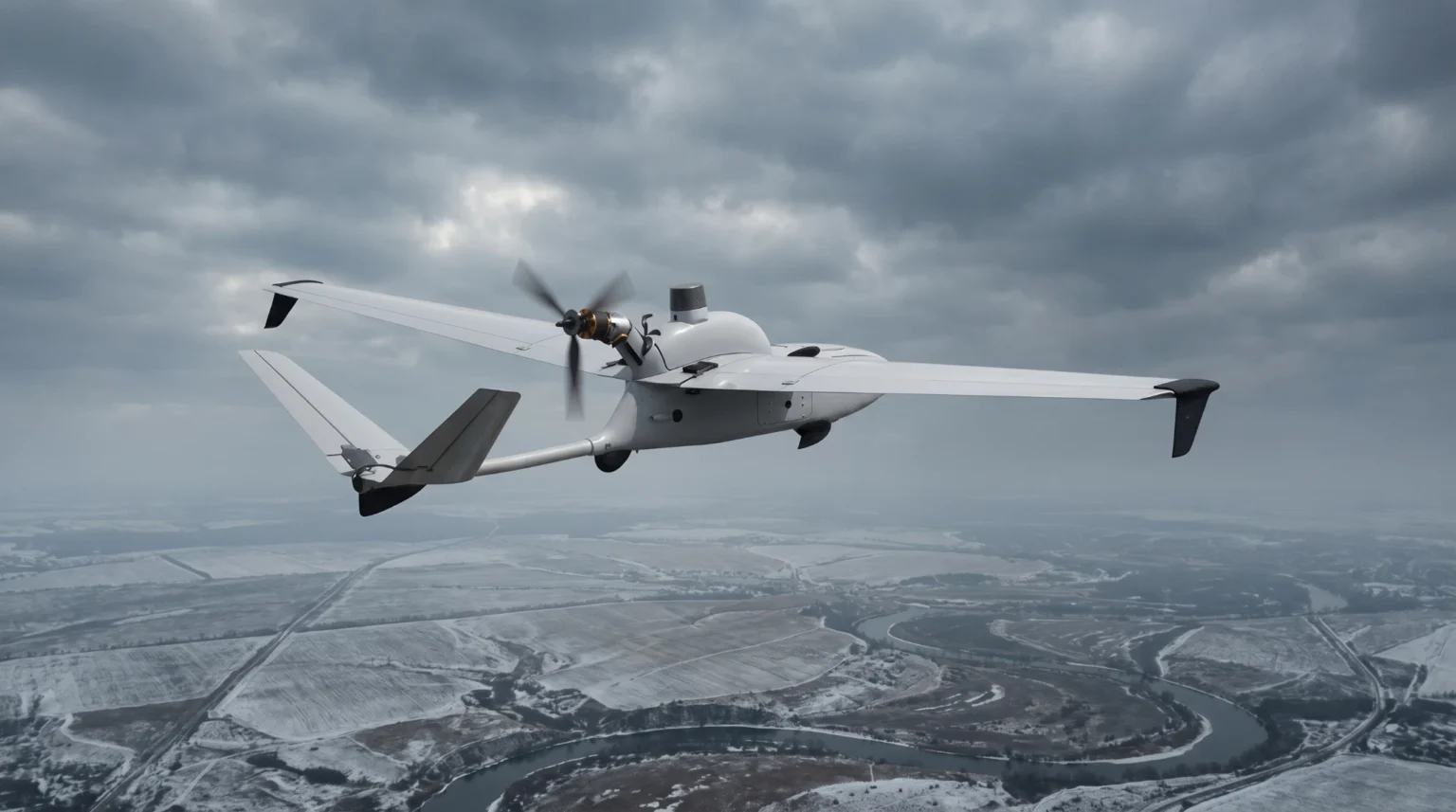

Unmanned aerial systems have transformed how organisations collect data, monitor environments, and execute complex operations. They provide efficient solutions where traditional aviation faces limitations in defence, security, civil, and industrial applications. As technology evolves, UAVs are becoming more precise and adaptable, which makes them indispensable in modern operational ecosystems.
What Are Unmanned Aerial Vehicles?
Unmanned aerial vehicles (UAVs) are aircraft that operate without a pilot onboard, usually controlled remotely. A typical UAV drone system includes the airframe, communication and navigation systems, payload, antenna system, catapult launch system and a ground control station.
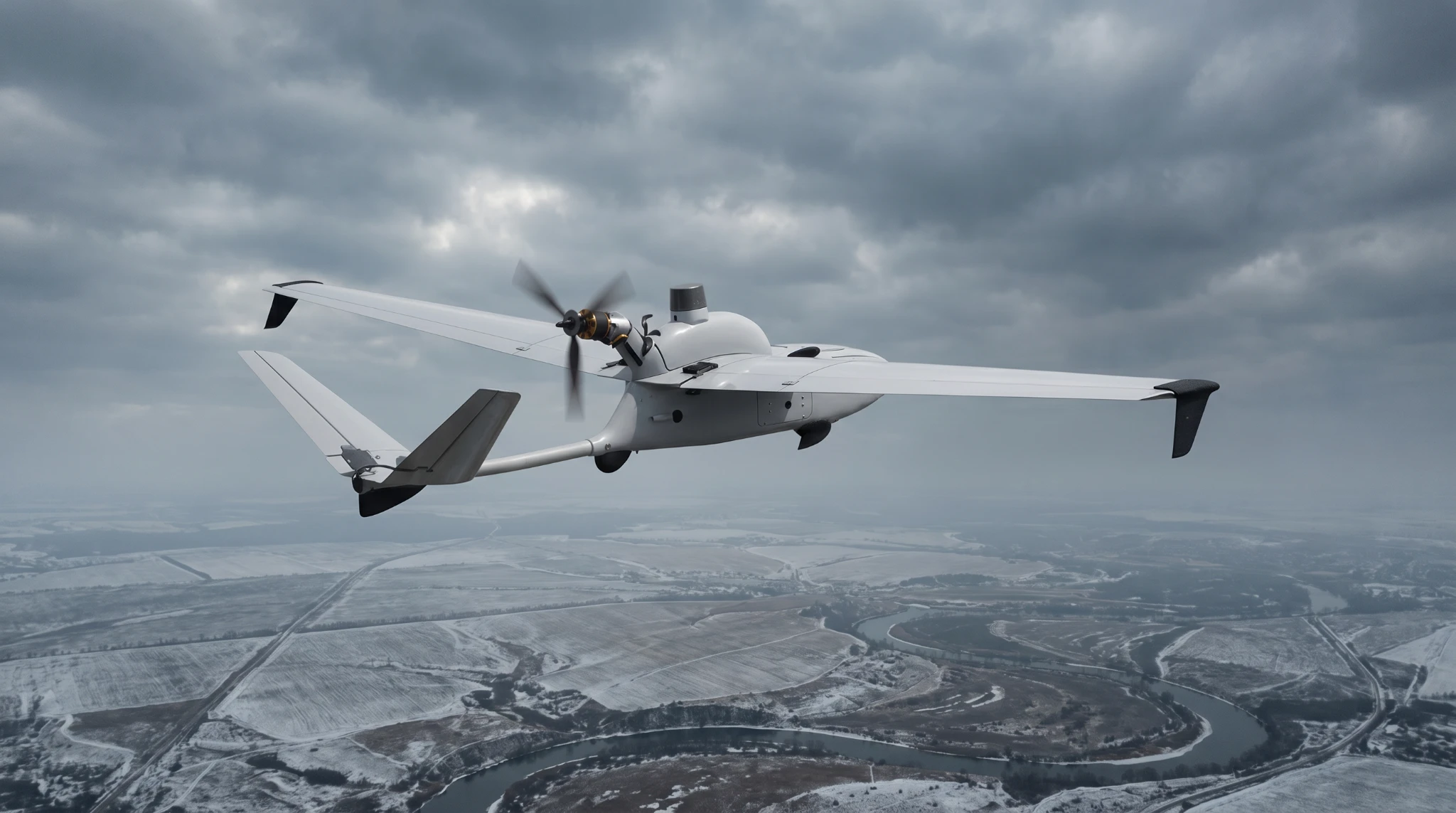
A practical example of a modern UAV airplane platform is Cetus Photo – a reliable fixed-wing drone designed for precision aerial data collection and long-endurance missions within an operational radius of 40 km. Such systems demonstrate how a drone aerial vehicle can deliver uncompromised performance in complex or degraded environments.
History of UAV Development
The development of unmanned aerial systems dates back to the early 20th century, with initial concepts emerging during World War I. However, early UAVs were limited in capability and served as experimental.
Major advancements took place in the late 20th and early 21st centuries, driven by improvements in satellite navigation, electronics, and communication technologies. These days, UAVs are increasingly incorporating AI, anti-jamming GNSS, and advanced sensors, enabling them to perform missions across both the defence and civil sectors.
Types and Classification of UAVs
Each category of UAV aerial systems is optimised for specific mission requirements, taking into account endurance, operational range and payload:
- Fixed-wing UAVs – most efficient for wide-area coverage thanks to extended endurance
- Multirotor drones – deliver high manoeuvrability for constrained areas
- Hybrid and VTOL systems – combine operational flexibility with high payload capacity
Key Technologies in Modern UAVs
Contemporary UAVs rely on advanced technologies that define their performance. Anti-interference GNSS ensures continuous operation in contested environments, while the integration of AI algorithms enables precise object detection, tracking, and data analysis. Secure communications are equally important to maintain connectivity over extended distances. Moreover, high-resolution cameras and thermal imaging enhance situational awareness and operational effectiveness.
Applications of Unmanned Aerial Vehicles
The use of a drone aerial vehicle continues to expand across multiple sectors, providing access to hard-to-reach areas and improving efficiency. Unmanned aerial platforms are now deployed for ISR, precision agriculture, infrastructure and pipeline/power line inspection, mapping and surveying, search-and-rescue operations, disaster response, public safety, and more.
Conclusion: Why Choose Abris Aero UAVs
In a market where many UAV solutions focus solely on specifications, platforms validated through real-world deployment are becoming increasingly valuable assets. Systems developed by Abris Aero reflect this approach, as the division combines practical engineering with adaptability across various mission profiles.
Rather than operating as standalone tools, Abris Aero’s UAV solutions are part of a broader ecosystem that integrates unmanned platforms, communications, sensors, and mission-planning software into a single workflow. This makes them relevant not only in security contexts but also in civil applications, where precision and consistency are crucial.