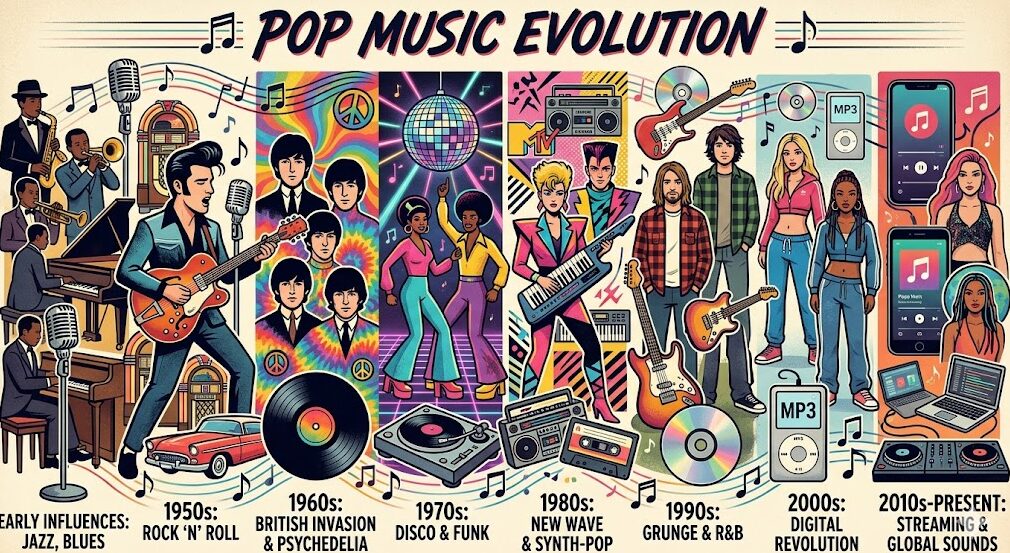

As we delve into 2026, the world of pop music evolution is witness to significant transformations that reflect the ever-evolving cultural landscape. The genre is not only shaped by its traditional roots but is also molded by the burgeoning influence of technology and diverse musical styles from around the globe. This evolution manifests itself in the wide array of themes, sounds, and formats that contemporary pop stars adopt in their work.
The integration of various genres is perhaps the most striking feature of today’s pop music. Artists are increasingly blending elements of hip-hop, R&B, electronic dance music (EDM), and even rock, creating a more eclectic sound that appeals to diverse listening audiences. This genre fusion allows for greater artistic expression, encouraging musicians to challenge the conventional structures of pop music. Moreover, themes found in pop songs have evolved to reflect societal issues, personal struggles, and abstract concepts, resonating with listeners on a deeper level.
In addition to these musical developments, technology plays a crucial role in transforming how pop music is produced, distributed, and consumed. Advances in music production software and digital platforms allow artists to experiment with sound in ways previously unimagined. Social media and streaming services have democratized the music industry, empowering independent artists to reach global audiences without the backing of major record labels.
Cultural movements, particularly those advocating for social justice, have also infiltrated the pop music scene, inspiring musicians to compose tracks that address pressing issues such as mental health, equality, and environmental concerns. This connection between pop music and societal themes creates a platform for cultural discourse, engaging fans and artists alike in meaningful conversations.
Game-Changing Pop Stars of 2026
As we delve into 2026, it becomes increasingly evident that a new cohort of pop stars is redefining the musical landscape. These artists are not just crafting catchy melodies; they are also transforming the very essence of pop through innovation, collaboration, and a willingness to challenge traditional norms.
One prominent figure is Luna Skye, known for her eclectic sound that fuses pop with electronic and R&B elements. Her latest hit, “Eclipse of You,” showcases her unique vocal delivery blended with futuristic production. This single has garnered global acclaim and further establishes her as a leading voice in modern pop. Luna’s collaborations with industry titans such as Theo Mendez have resulted in memorable performances, making her a staple in the Pop Music Evolution scene.
Another game changer, Marcus Ray, has captured attention with his introspective lyrics and genre-blending compositions. His latest album, “Inner Reflections,” features a mix of pop, hip-hop, and rock influences, resonating with a broad audience. Tracks like “Chasing Dreams” and his influential collaboration with rising star Ayla Green have been pivotal in creating a renewed interest in lyrical depth within pop music, often inviting listeners to ponder the stories behind the music.
Furthermore, the emergence of Zora Jet, a young artist known for her avant-garde style and striking visuals, has been significant. Her debut single, “Gravity Defied,” employs unconventional song structures and bold themes, pushing the boundaries of what contemporary pop can express. Through elaborate music videos and innovative stage performances, Zora engages her audience in a uniquely immersive experience.
As these stars emerge, they exemplify the evolution of pop music in 2026, marked by creativity, diversity, and a departure from traditional expectations. Their individual trajectories illustrate a transformative era where pop stars are not only entertainers but also cultural icons who challenge the status quo.
The Impact of Technology on Pop Stars
In recent years, the music industry has undergone a significant transformation prompted by the rapid advancement of technology. Emerging technologies such as artificial intelligence (AI), virtual reality (VR), and social media have fundamentally altered how pop stars create, produce, and distribute their music. These innovations not only enhance artist creativity but also allow them to engage with their audiences in unprecedented ways.
AI has introduced a new dimension to music production, enabling artists to experiment with compositions and sounds that were previously unimaginable. Through AI-driven software, producers can analyze trends, recommend melodies, and even generate unique musical arrangements. Pop stars like Grimes have embraced AI to collaborate on tracks, showcasing how technology can be leveraged to push creative boundaries. This integration of AI empowers artists to transcend traditional limitations, crafting distinctive sounds that resonate with their audiences.
Virtual reality is another groundbreaking trend reshaping the music landscape. It provides immersive experiences that blurs the lines between the artist and the listener. Virtual concerts and interactive music videos allow fans to step into the environments created by their favorite pop stars. This technological advancement has opened new avenues for artists to build a deeper connection with their fans, as evidenced by initiatives taken by acts like Travis Scott, who hosted a virtual concert in the video game Fortnite, attracting millions of viewers.
Furthermore, social media platforms serve as invaluable tools for pop stars to share their creative processes, engage directly with their fanbase, and promote their music. The immediacy of platforms like TikTok and Instagram enables artists to distribute content rapidly, garnering quicker feedback and boosting their visibility. Pop stars such as Olivia Rodrigo have utilized social media to establish a strong presence, showcasing the dynamic relationship between technology and music distribution.
The Future of Pop Music: Trends to Watch
The landscape of pop music is an ever-evolving entity that consistently adapts to cultural, technological, and societal shifts. As we progress deeper into 2026, several notable trends are emerging that may significantly influence the future of this genre. The fusion of musical styles is one trend that is likely to gain further traction. We are already witnessing a blend of genres such as pop, hip-hop, and electronic dance that resonates with a broader audience and reflects individual artistic expressions.
Moreover, the thematic explorations within pop music are expected to shift towards more introspective and socially conscious narratives. Today’s artists are increasingly leveraging their platforms to address pressing social issues such as mental health, climate change, and societal inequalities. These themes not only resonate with younger audiences but also foster a deeper connection between artists and their listeners.
Technological advancements are another crucial catalyst for change in the pop music industry. Streaming services and social media platforms have transformed how artists distribute their music and engage with fans. The democratization of music production tools allows for emerging artists to create high-quality content without the backing of major labels. This has led to a diversification of sounds and styles within pop music, encouraging innovation among both established and upcoming musicians.
Experts predict that the relationship between artists and their audiences will become increasingly collaborative. Crowdsourcing song ideas through social media platforms and participating in virtual events are becoming common practices. This participatory approach enables artists to foster a loyal fanbase while simultaneously generating organic engagement with their content.
In conclusion, observing current trends in Pop Music Evolution highlights a dynamic and transformative future. As genres blend, themes deepen, and technology advances, the next few years promise to reshape the pop music landscape significantly.