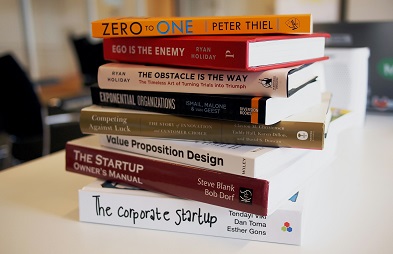

Introduction to Innovative Business Ideas
Innovative business ideas are concepts that introduce new and creative solutions to existing problems or capitalize on emerging opportunities. These ideas often involve the application of unique strategies, methods, or technologies that distinguish them from traditional business practices. In the 21st century, innovation has become a cornerstone of business success as companies seek to adapt to rapidly evolving markets and the shifting preferences of consumers.
The importance of innovation cannot be overstated; it drives competitiveness in a global economy characterized by constant change. With advancements in technology and a growing emphasis on sustainability, innovative business ideas have the potential to not only improve profitability but also enhance societal well-being. For instance, companies embracing eco-friendly practices, such as sustainable product offerings or zero-waste manufacturing processes, harness innovation to meet consumer demands while contributing to environmental conservation.
The 21st century has marked a significant shift in consumer behavior, largely fueled by advancements in digital technology. The rise of the internet and mobile devices has altered how consumers engage with brands, leading to increased expectations for personalized experiences and immediate access to services and products. As businesses navigate this new landscape, innovative ideas that leverage technology—such as subscription models, sharing economies, and e-commerce platforms—have emerged, reshaping entire industries.
Furthermore, the role of data analytics and artificial intelligence has transformed business models, enabling firms to make informed decisions and tailor their offerings to specific consumer segments. The ongoing technological revolution has set the foundation for groundbreaking business concepts and solutions, facilitating the rise of disruptive industries that challenge established norms.
Tech Startups Revolutionizing Industries
The 21st century has witnessed a remarkable rise in tech startups that have fundamentally altered industries through innovation and advanced technology. Among the most prominent sectors affected are financial technology (fintech), health technology (health tech), and transportation. These startups leverage modern technology to streamline operations and provide better services, thereby creating more user-friendly experiences.
In the fintech space, companies like Stripe and Square have introduced transformative payment solutions that simplify transactions for both consumers and businesses. This has not only democratized financial services but also greatly enhanced accessibility, allowing small businesses to thrive in a competitive market. By emphasizing technology, these firms have redefined how financial transactions occur, fostering greater convenience and efficiency in the process.
Moving on to health tech, startups such as Teladoc and Zocdoc are at the forefront of integrating technology into healthcare. Telemedicine platforms enable patients to consult with doctors from the comfort of their homes, reducing wait times and improving access to healthcare professionals. Furthermore, innovations in wearable technologies, like those produced by Fitbit, encourage individuals to take charge of their health, promoting preventive measures instead of reactive treatments. The combination of convenience and enhanced health monitoring establishes a new paradigm in healthcare delivery.
Transportation has also been transformed by tech startups like Uber and Lyft, which have revolutionized personal transportation through ride-sharing models. These companies harness technology to connect drivers and passengers, allowing for efficient, cost-effective commuting options. Additionally, advancements in autonomous vehicles, driven by companies like Waymo, signify a potential shift toward safer and more efficient transport options, further enhancing the industry landscape.
Ultimately, tech startups continue to push the envelope in their respective fields, demonstrating how innovative business ideas can reshape traditional models and create opportunities for growth and improvement across various sectors.
Sustainable Business Practices
In the contemporary business landscape, sustainability has transcended its role as a mere trend, evolving into a pivotal element driving innovation and competitive advantage. Companies are increasingly recognizing the importance of incorporating environmentally friendly practices into their operations not only to fulfill regulatory requirements but also to meet the growing demand from consumers for responsible business behavior. This shift toward sustainable business practices has spurred innovative solutions across various industries, setting a precedent for future developments.
Notable examples of businesses adopting sustainable practices include Patagonia, a renowned outdoor apparel company. Patagonia has embedded environmental responsibility into its core mission, promoting the use of recycled materials and implementing fair trade practices in its supply chain. This commitment to sustainability resonates with consumers who prioritize ethical consumption. Similarly, Unilever, a global consumer goods corporation, has introduced initiatives aimed at reducing its carbon footprint and achieving zero waste across its product lines, thereby enhancing sustainability while driving brand loyalty.
Another illustrative example is Tesla, which revolutionizes the automotive industry by producing electric vehicles (EVs) that promote cleaner transportation solutions. Tesla’s innovation extends beyond its products; it has also pioneered advancements in battery technology and energy storage, contributing to the overall shift toward renewable energy sources. Furthermore, businesses in sectors such as food and agriculture are adopting sustainable practices by sourcing ingredients locally and reducing food waste, illustrating the versatility of sustainable innovation.
The integration of sustainability into business operations is not merely a compliance obligation but a strategic approach that fosters innovation and enhances consumer engagement. As companies continue to embrace eco-friendly practices, they position themselves as leaders in the growing field of sustainable entrepreneurship, responding to both market demands and the need for environmental stewardship. This movement towards sustainability underscores a transformative shift that can redefine industries and drive economic growth in the 21st century.
E-commerce and Digital Marketplaces
The advent of e-commerce and digital marketplaces has dramatically reshaped the retail landscape in the 21st century. Companies such as Amazon and Shopify have pioneered this evolution by providing platforms that enable small businesses to connect with broader audiences, overcoming geographical limitations. The growth of these digital platforms has not only transformed how retailers operate but has also changed consumer shopping behaviors fundamentally.
Amazon, the leading e-commerce giant, has created an infrastructure that supports a vast range of products and services. Its business model allows third-party sellers to list their products alongside those from established brands, effectively leveling the playing field. This democratization of retail opportunities has empowered countless entrepreneurs, facilitating their entry into the online marketplace without the need for extensive financial resources. As a result, many small businesses have flourished, leveraging e-commerce tools to reach consumers globally.
Similarly, Shopify offers a user-friendly platform enabling individuals and small enterprises to set up their online stores with ease. The platform provides various customizable templates, payment gateways, and marketing tools, thus streamlining the process of establishing an e-commerce presence. The increasing accessibility of such digital marketplaces has significantly influenced consumer shopping habits, with more people preferring online purchases over traditional in-store experiences. This shift towards e-commerce has been accelerated by factors such as convenience, the ability to compare prices, and the expanding trust in online transactions.
As e-commerce continues to grow, it will further enhance the landscape for both businesses and consumers. The rise of digital marketplaces represents not just a trend but rather a persistent transformation in how commerce is conducted in the modern world. The potential for innovation in this space remains vast, indicating that the future of retail will likely be heavily influenced by ongoing developments in e-commerce.
Subscription-Based Business Models
The subscription-based business model has quickly gained traction across several industries, transforming the way consumers engage with products and services. Companies leveraging this innovative framework provide customers with access to their offerings for a recurring fee, ensuring that both parties benefit from consistent and predictable arrangements.
Some of the most well-known enterprises that have successfully adopted subscription models include Netflix, Spotify, and Dollar Shave Club. Netflix, for example, revolutionized the entertainment industry by shifting from DVD rentals to a streaming service that delivers an extensive array of television shows and movies. This model not only simplifies the consumer’s access to media but also enables Netflix to anticipate viewer preferences, tailoring its offerings to maintain user retention.
Similarly, the music streaming platform Spotify has changed how people consume music, offering users ad-free listening along with personalized playlists in exchange for a monthly subscription. This model enhances user experience and fosters loyalty while providing Spotify with steady revenue streams. Additionally, Dollar Shave Club disrupted the men’s grooming market by delivering razors and grooming products directly to consumers’ doors, cutting out the traditional retail middleman and minimizing product costs for consumers.
The advantages of subscription-based business models extend beyond enhanced consumer convenience; they also support businesses in achieving predictable revenue streams. Companies can better forecast growth, manage expenses, and provide targeted marketing. Moreover, subscription services often improve customer engagement as businesses consistently offer new items, updates, and member-exclusive content. This dynamic relationship fosters customer loyalty and retention, vital components for long-term success.
Decentralized Finance (DeFi) and Cryptocurrencies
The emergence of decentralized finance (DeFi) and cryptocurrencies in the 21st century has heralded a transformative shift within the financial services sector. DeFi aims to recreate traditional financial systems—such as lending, borrowing, and trading—using blockchain technology, which enables peer-to-peer transactions without the need for centralized authorities like banks. This innovation presents a significant challenge to conventional banking systems, which have long held monopoly over financial transactions and services.
One of the primary advantages of DeFi is its potential to increase accessibility to financial services. Historically, many individuals and businesses have faced barriers to accessing banking facilities due to geographic, socio-economic, or regulatory constraints. By utilizing cryptocurrencies and smart contracts, individuals can engage in financial activities across borders, often without the need for intermediaries. This democratization of finance fosters financial autonomy, allowing users to maintain control over their assets and make decisions without inflated fees or cumbersome processes.
Furthermore, decentralized finance enhances transparency and security within the financial ecosystem. Transactions processed on blockchain networks are recorded in an immutable ledger, which reduces the risk of fraud and corruption prevalent in traditional financial systems. Additionally, the automated nature of smart contracts eliminates human error and operational inefficiencies, leading to faster transaction times and reduced costs.
However, this innovation is not without its challenges. Concerns about regulatory compliance, security vulnerabilities, and the volatility of cryptocurrencies pose risks to both users and investors. As the DeFi landscape continues to evolve, dialogue surrounding the establishment of robust regulatory frameworks will be essential to ensure its sustainable integration within the global financial system. Overall, the impact of DeFi and cryptocurrencies on the financial services sector signifies a potential paradigm shift, empowering individuals with enhanced financial autonomy while challenging the status quo of traditional banking institutions.
Health and Wellness Innovations
In the 21st century, the health and wellness sector has seen significant transformations driven by innovative business ideas that harness technology to improve individual well-being. One of the most notable developments in this space is telemedicine, which has revolutionized access to healthcare services. Through telemedicine platforms, patients can consult with healthcare professionals remotely via video calls or messaging applications, facilitating access to medical care regardless of geographical barriers. This innovation has not only improved patient convenience but has also significantly reduced the strain on traditional healthcare systems.
An additional layer of innovation within health and wellness is the rise of wearable health technology. From fitness trackers to advanced smartwatches, these devices monitor various aspects of a person’s health in real-time. They gather data on physical activity, heart rate, sleep patterns, and even stress levels, empowering individuals to take charge of their health. By providing users with regular feedback and insights, wearable technology promotes proactive health management and encourages healthier lifestyle choices.
Moreover, the mental wellness movement has given rise to innovative platforms designed to support emotional well-being. Apps and online services offering therapy sessions, meditation guides, and stress relief resources have made mental health support more accessible. This shift is particularly crucial in a time when mental health issues are on the rise, allowing users to seek help discreetly and conveniently.
These health and wellness innovations collectively enhance access to healthcare services and improve personal well-being, demonstrating the potential of technology to transform the way individuals manage their health. As we move further into the century, the impact of these innovative ideas will likely expand, promising a healthier future for everyone.
Artificial Intelligence and Automation
In the 21st century, artificial intelligence (AI) and automation have emerged as transformative forces across various sectors, fundamentally altering how businesses operate and interact with consumers. These technological advancements offer significant enhancements in efficiency and productivity, making them invaluable in today’s competitive landscape.
One of the most notable applications of AI is in customer service, where businesses have begun to harness AI-driven chatbots and virtual assistants. These tools utilize natural language processing to engage with customers, providing instant responses to inquiries while operating 24/7. Not only do these innovations lead to reduced operational costs, but they also enhance customer satisfaction by ensuring timely support and streamlined experiences.
Moreover, automation has found a solid footing within manufacturing sectors, where robotic systems are increasingly deployed to handle repetitive tasks such as assembly and quality control. This shift not only mitigates human error but also allows for increased production rates and consistent quality across products. Robotics in manufacturing exemplifies how automation can optimize resource allocation and improve overall operational workflows.
Another prominent area where AI and automation are making strides is in intelligent data analytics. Businesses leverage advanced algorithms to analyze extensive data sets, revealing insights that inform strategic decisions. This ability to process data at scale enables organizations to identify trends and consumer preferences much more effectively than traditional methods. Consequently, businesses can tailor their offerings to meet market demands promptly, thereby gaining a competitive edge.
The integration of artificial intelligence and automation is not merely a trend; it is an evolving revolution that signifies a new era for industries. By increasing efficiency and productivity, these technologies allow businesses to adapt to dynamic market conditions, ultimately reshaping the future of work as we know it.
Conclusion: The Future of Innovation in Business
The exploration of innovative business ideas from the 21st century reveals a transformative path for companies and entrepreneurs alike. As we have seen, the rise of technology-driven solutions, sustainability initiatives, and unique customer engagement approaches have significantly reshaped various industries. Businesses that embrace this innovative spirit are not only able to thrive in competitive environments but are also setting the stage for future success.
The importance of continuous innovation cannot be overstated. In an era marked by rapid technological advancements and shifting consumer preferences, organizations must remain agile, adapting to new trends and demands. Future innovation may likely focus on integrating artificial intelligence, enhancing personalization in services, and creating sustainable business models that prioritize environmental health alongside profitability. Such approaches will be crucial for companies looking to maintain relevance and competitiveness.
Moreover, collaboration across various sectors and disciplines will foster an environment ripe for innovative breakthroughs. As businesses increasingly recognize the value of partnerships and interdisciplinary approaches, we can expect a wave of creative solutions that address complex challenges faced by society. Whether it be through the application of blockchain for enhanced transparency or leveraging big data for more informed decision-making, the future of innovation in business appears promising.
In summary, the need for innovation in business is more critical now than ever. Companies that proactively pursue new ideas and methodologies will not only navigate the complexities of modern markets but will also contribute to shaping a better future for all stakeholders involved. The journey of innovation is ongoing, and its potential is limited only by creativity and ambition.