
Introduction to Mobile Technology
Mobile technology refers to the various communication technologies and devices that enable users to access information and communicate wirelessly from virtually anywhere. This encompasses a wide range of technologies, including smartphones, tablets, mobile applications, and wireless communication protocols. The rapid evolution of mobile technology has had a profound impact on both personal and business environments, facilitating unprecedented levels of connectivity and information accessibility.
The inception of mobile devices can be traced back to the early mobile phones, which emerged in the 1980s. These initial devices were bulky, expensive, and primarily used for voice communication. As technology advanced, mobile phones became smaller, more affordable, and began to incorporate additional features such as SMS messaging and basic internet access. This marked the beginning of a transformation that would eventually lead to the sophisticated smartphones we use today.
The introduction of smartphones in the late 2000s revolutionized mobile technology by integrating advanced functionalities including touch screens, internet browsing capabilities, and app ecosystems. These innovations paved the way for mobile technology to become an essential component of daily life. Key advancements such as improved processors, higher-resolution displays, and enhanced battery life have continually refined the mobile experience, allowing users to perform complex tasks on their devices.
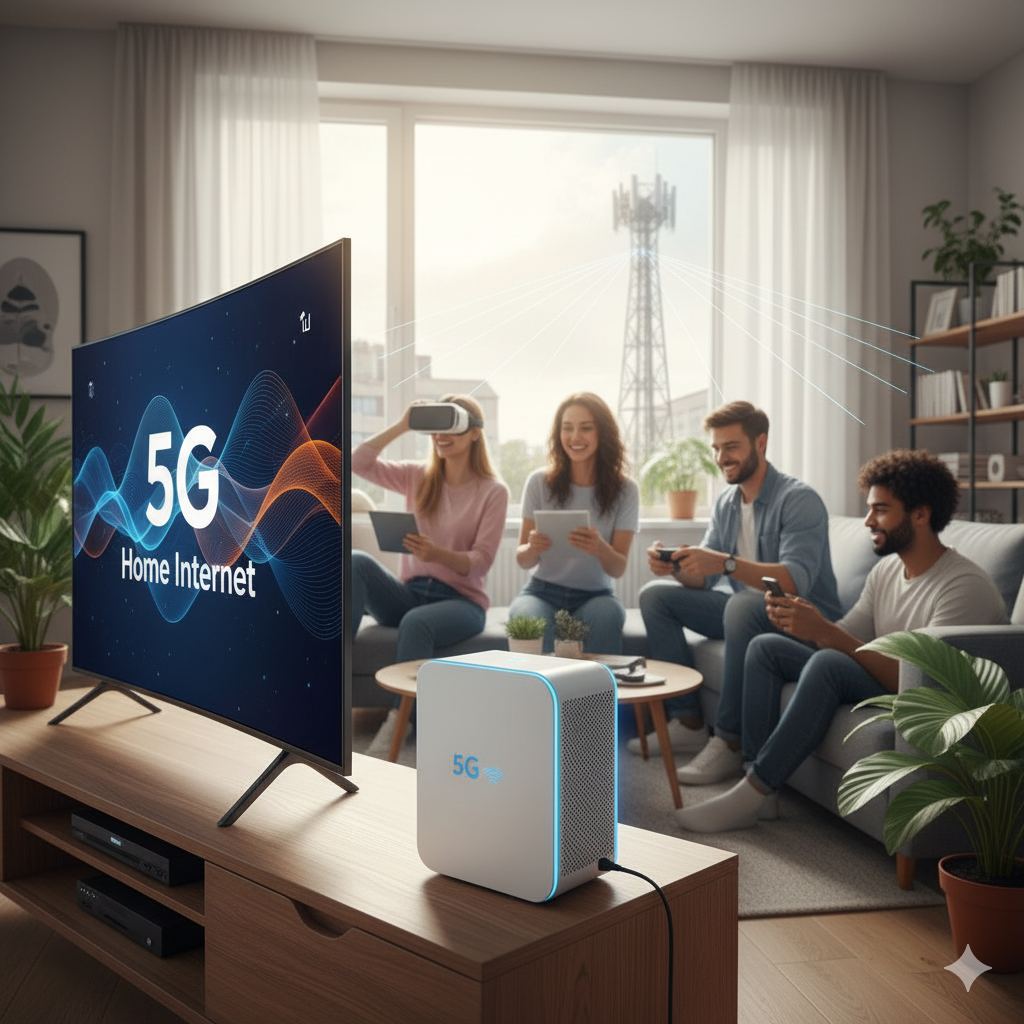
Furthermore, the development of mobile networks, particularly the transition from 3G to 4G and now 5G, has significantly increased data transmission speeds and reduced latency. This has opened the door for new mobile applications and services, leading to the rise of mobile commerce, social media, and on-demand services, fundamentally changing how businesses operate. In summary, mobile technology has evolved from simple communication devices to integral tools that shape the modern world, demonstrating its significant relevance to consumers and organizations alike.
Historical Milestones in Mobile Technology
The journey of mobile technology began in 1983 with the launch of the Motorola DynaTAC 8000X, the first commercially available mobile phone. This device, known for its significant size and weight, marked the entry of mobile communication into everyday life, although its use was limited due to high costs and battery limitations. As technology advanced, mobile devices became smaller and more accessible, leading to the introduction of the second generation (2G) networks in the 1990s. 2G technology enabled digital voice transmission and introduced SMS text messaging, a feature that changed the way people communicated.
The timeline of mobile technology advanced with the emergence of third generation (3G) networks in the early 2000s. This development allowed for higher data transmission rates and brought about mobile internet access, enabling users to browse the web and download content on their devices. The enhancement in mobile capabilities spurred the rise of smartphones, which began to dominate the market by integrating features such as cameras and email applications.
The evolution did not stop there; within a decade, 4G networks entered the scene, offering even faster data speeds and supporting high-definition video streaming. This period witnessed a surge in mobile applications, transforming smartphones into powerful tools that facilitated various tasks, from social networking to e-commerce. Most recently, the introduction of 5G technology has set the stage for unprecedented advancements in connectivity, promising reduced latency and the ability to support a higher density of devices in any given area.
Each leap in mobile technology has played a critical role in shaping contemporary business practices and consumer behaviors, illustrating the remarkable trajectory from basic mobile communication to the connected, digital ecosystem we experience today.
Impact of Mobile Technology on Communication
The advent of mobile technology has significantly reshaped how individuals and businesses communicate. Historically, communication was primarily conducted through traditional voice calls and short message service (SMS). However, as mobile technology evolved, so did the methods by which we engage with each other, leading to the widespread adoption of instant messaging and social media platforms.
Instant messaging applications such as WhatsApp, Telegram, and Facebook Messenger have replaced conventional SMS for many users. These platforms not only support text communication but also allow users to share multimedia, conduct voice and video calls, and create group chats. Consequently, communication has become more dynamic and interactive, fostering real-time engagement and collaborations that were previously inconceivable.
Similarly, social media networks like Twitter, LinkedIn, and Instagram have revolutionized personal and business communication. Through these platforms, individuals can share updates, opinions, and experiences with a broad audience while businesses have the capability to engage with customers, gain insights into market trends, and build brand loyalty. The ability to communicate instantly with a global audience enhances a company’s reach and responsiveness, making customer engagement more efficient and effective.
Furthermore, the shift from voice calls to texting and multimedia messaging reflects broader changes in communication preferences. Many users now prefer asynchronous communication methods that allow for flexibility and convenience, facilitating communication at their own pace. This flexibility is particularly beneficial in professional contexts, where efficient coordination and quick feedback are essential for project success.
In conclusion, mobile technology has transformed communication profoundly. The transition from traditional methods to an array of instant communication options demonstrates the fundamental shift in how we interact, both personally and professionally. As mobile technology continues to evolve, its impact on communication will undoubtedly deepen further, emphasizing the importance of adaptability in the fast-paced digital landscape.
Role of Mobile Technology in Business Operations
The advent of mobile technology has significantly transformed the landscape of business operations, driving industries toward unprecedented levels of efficiency and productivity. Mobile applications have become essential tools for companies, enabling employees to perform a multitude of tasks while on the go. These applications facilitate real-time communication, project management, and access to critical data, thereby streamlining workflow and decision-making processes.
Furthermore, the rise of remote work capabilities has been propelled by advancements in mobile technology. As mobile devices become more integrated into the workplace, employees can connect to their company’s systems from anywhere in the world. This flexibility not only enhances employee satisfaction but also allows organizations to tap into a broader talent pool without geographical limitations. Teams can collaborate effectively, regardless of their physical locations, which is increasingly vital in today’s globalized economy.
Various industries have embraced mobile tools to optimize their operations. For instance, retail businesses leverage mobile applications for inventory management and customer engagement. Similarly, the healthcare sector utilizes mobile technology to enhance patient care through telemedicine and mobile health applications. These diverse applications illustrate how mobile technology is not just a trend; it is a fundamental component of modern business strategies.
The continuous evolution of mobile technology further accelerates these changes, as advancements such as AI integration and 5G connectivity promise to enhance mobile capabilities. As businesses increasingly adopt these technologies, it is evident that mobile devices will remain central to operational efficiency and productivity in the years to come.
Mobile Commerce: A New Frontier for Businesses
The emergence of mobile technology has significantly transformed the landscape of commerce, giving rise to mobile commerce or m-commerce as a vital channel for business transactions. Businesses are increasingly leveraging this technology to unlock new market opportunities and reach consumers in innovative ways. In recent years, the growth of mobile payments has been particularly noteworthy, driven by the convenience and speed they offer. Platforms such as Apple Pay, Google Wallet, and various digital wallets have simplified the payment process, allowing customers to complete transactions seamlessly through their smartphones.
In addition to mobile payments, shopping applications have proliferated, serving as a central hub for consumers to browse products, access exclusive deals, and make purchasing decisions directly from their devices. Retail giants and small businesses alike have developed tailored apps to enhance customer experiences and foster brand loyalty. These applications often employ features like personalized recommendations and push notifications to engage customers and increase conversion rates.
The importance of a mobile-friendly website cannot be overstated in the realm of eCommerce. As an essential aspect of any digital marketing strategy, businesses that prioritize responsive design ensure that their websites are easily navigable on various devices. A mobile-optimized website not only improves the user experience but also enhances search engine rankings, ultimately leading to higher traffic and increased sales. With the rising number of consumers using smartphones to shop online, businesses that neglect mobile optimization risk losing potential customers to competitors who offer a more user-friendly mobile experience.
Overall, mobile commerce presents a compelling opportunity for businesses to adapt to changing consumer behaviors and preferences. By embracing mobile technology, companies can remain competitive and capture a growing segment of the market that increasingly prioritizes convenience and accessibility in their shopping experiences.
Challenges Faced by Mobile Technology in Business
As businesses increasingly adopt mobile technology, they encounter several challenges that can impact their operational efficiency and security. One prominent concern is security. With the rise of mobile devices comes the risk of data breaches and cyberattacks, particularly as sensitive customer information is often accessed through mobile applications. Organizations must implement robust security measures, including encryption and multifactor authentication, to mitigate these risks. Failure to adequately protect data can lead to significant financial losses and damage to a company’s reputation.
Another challenge lies in the need for constant updates and maintenance. Mobile technology is a rapidly evolving field, with regular updates to operating systems, software, and applications. Businesses must ensure that their mobile solutions remain current and compatible with the latest developments. This necessitates dedicated IT resources and can lead to operational disruptions if not managed effectively. Additionally, businesses that fail to keep their mobile applications updated may face functionality issues or, worse, vulnerabilities that can be exploited by cybercriminals.
Navigating multiple mobile platforms represents another significant hurdle. Different operating systems, such as iOS and Android, require businesses to develop and maintain separate applications or tailor their existing infrastructure to accommodate diverse user preferences. This fragmentation complicates development, testing, and deployment processes, increasing overall costs. Furthermore, ensuring a consistent user experience across various devices can be daunting, as each platform has unique guidelines and capabilities.
In summary, while mobile technology presents numerous opportunities for innovation and efficiency in business, the accompanying challenges—ranging from security concerns to the complexities of managing multiple platforms—mandate careful consideration and strategic planning. Addressing these challenges proactively can enable businesses to leverage mobile technology effectively while minimizing potential risks.
Future Trends in Mobile Technology
The landscape of mobile technology is rapidly evolving, and the future holds promising trends that are expected to reshape both technological innovations and business strategies. One of the most significant advancements is the integration of artificial intelligence (AI) into mobile devices. AI is set to enhance user experiences through personalized services, voice recognition, and smart app functionalities. As devices become more intuitive, businesses can leverage AI analytics to better understand consumer behaviors and preferences, allowing for more targeted marketing efforts and improved customer engagement.
Another area poised for growth is augmented reality (AR) and virtual reality (VR) applications. With the proliferation of smartphones equipped with advanced sensors and cameras, AR and VR are becoming more accessible to the average consumer. These technologies are not only enriching gaming and entertainment but also revolutionizing sectors such as retail, training, and real estate. For instance, businesses can utilize AR to offer virtual try-on experiences, enabling customers to preview products in real-world settings before making a purchase, thus enhancing the overall buying experience.
Furthermore, the ongoing evolution of mobile network infrastructure, particularly with the rollout of 5G technology, is expected to dramatically improve connectivity speeds and reliability. This advancement facilitates real-time communication and enables the development of more complex applications, such as telehealth services, remote work solutions, and smart city initiatives. The integration of 5G will also be critical for IoT devices, paving the way for more interconnected systems. Overall, these emerging trends in mobile technology represent not only technological advancements but also pivotal shifts in how businesses operate and engage with consumers.
Case Studies of Successful Mobile Technology Implementations
As mobile technology continues to transform the business landscape, numerous companies have successfully harnessed its potential to streamline operations and enhance customer engagement. This section delves into specific case studies that highlight effective implementations of mobile technology and the consequent benefits experienced by these organizations.
One notable example is Starbucks, which has integrated mobile technology through its highly acclaimed mobile app. This application allows customers to order and pay in advance, providing a seamless experience. Starbucks reported a surge in mobile orders, contributing to a significant rise in overall sales. The company’s focus on enhancing customer convenience through mobile technology not only strengthens brand loyalty but also positions it as a leader in the competitive coffeehouse market.
Another compelling case is that of Domino’s Pizza, which embraced mobile technology by revamping its ordering system. Domino’s developed a user-friendly app that includes features such as voice ordering and tracking capabilities. As a result, the company experienced a remarkable increase in online orders, accounting for more than 60% of its sales. This successful implementation demonstrates how mobile technology can drive revenue growth and improve operational efficiency.
Furthermore, Target, a major retail chain, has effectively leveraged mobile technology to enhance the shopping experience. The company’s mobile app offers personalized promotions and a streamlined checkout process, ultimately increasing customer satisfaction. Target reported a significant boost in in-store traffic driven by app usage, illustrating how mobile technology can be pivotal in bridging online and offline shopping experiences.
These case studies reveal valuable lessons regarding the importance of user-friendly interfaces, integration of innovative features, and the commitment to enhancing customer satisfaction. Companies looking to adopt mobile technology should undertake thorough research, invest in robust infrastructure, and maintain a focus on their target audience’s needs. The measurable outcomes that these businesses have achieved emphasize the undeniable impact of mobile technology on modern business operations.
Conclusion: The Ongoing Evolution of Mobile Technology in Business
As we navigate through the contemporary business landscape, it becomes increasingly clear that mobile technology plays a pivotal role in driving growth and innovation. Over the past few years, businesses have adopted various mobile solutions to enhance their operational efficiency and customer engagement. This blog post has explored the significant developments in mobile technology, including the integration of mobile applications, cloud computing, and emerging trends such as artificial intelligence and the Internet of Things (IoT).
The shift towards mobile-first strategies has revolutionized how companies interact with their clients and manage internal processes. By utilizing mobile platforms, businesses can provide their services and products at the fingertips of consumers, guaranteeing a seamless experience that drives customer satisfaction and loyalty. Furthermore, mobile technology enables companies to gather valuable data analytics, offering insights that inform decision-making and strategic planning.
Looking ahead, the continual advancement in mobile technology suggests a promising horizon for businesses willing to adapt. With developments in 5G technology, augmented reality, and enhanced cybersecurity measures, the scope of what mobile technology can achieve will only expand. Companies must stay vigilant and proactive to leverage these emerging technologies, ensuring that they remain competitive in an ever-evolving marketplace.
Therefore, the evolution of mobile technology is not just a passing trend, but rather a fundamental aspect of business strategy in today’s digital era. It is crucial for organizations to integrate mobile initiatives into their core operational frameworks. By doing so, they position themselves for sustained growth and the ability to meet changing consumer expectations, emphasizing the importance of mobile technology in both current and future business environments.