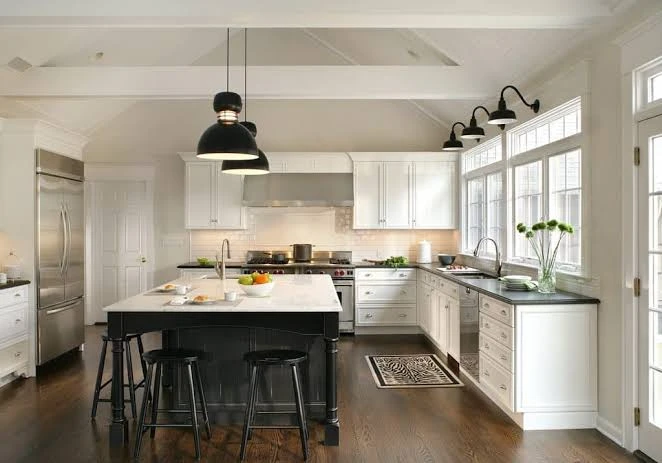

The kitchen has always been one of the busiest rooms in the home, and for many people it is also one of the most tiring. Standing for long stretches while chopping vegetables, stirring sauces, or waiting for the kettle to boil can wear down even the most enthusiastic home cook. This is where the idea of seated mobility becomes worth exploring. A kitchen chair built for movement lets you glide between the counter, the stove, and the sink instead of constantly getting up and sitting back down.
Mobility in the kitchen is not just about convenience. It touches on how much energy we have left at the end of a cooking session, how safe we feel while handling hot pans or sharp knives, and whether cooking still feels like a pleasure rather than a chore. Many people quietly adjust their habits over time, cooking simpler meals or avoiding certain tasks altogether, simply because standing has become uncomfortable.
Small changes to how we set up our kitchen routines can make a noticeable difference. Keeping frequently used items within easy reach, organizing the workspace so fewer steps are needed, and taking regular breaks all help. But for people dealing with balance issues, joint pain, or low energy, these adjustments only go so far. A seated approach to cooking, supported by a chair designed specifically for indoor movement, can restore a sense of ease that standing simply cannot offer anymore.
The appeal of a mobile kitchen chair goes beyond physical comfort. There is something deeply satisfying about being able to move freely from task to task without interruption. Reaching for a spice on the counter, checking a pot on the stove, and setting the table can all happen in one smooth sequence rather than a series of effortful stops and starts. That fluidity changes the entire rhythm of cooking, turning what used to be a series of small obstacles into a continuous, manageable flow.
For households where more than one person shares kitchen duties, a mobility-friendly setup also makes it easier to stay involved. Rather than stepping back from cooking because standing has become difficult, a person can remain an active participant at the counter, at the stove, and at the table when the meal is finally served. That sense of continued involvement often matters just as much as the practical benefits, since cooking together is frequently one of the more social moments in a household’s day.
Comfort, Safety, and Independence Go Hand in Hand
When people think about what makes a kitchen workspace functional, safety rarely gets the attention it deserves. Yet it is often the deciding factor in whether someone feels confident preparing a meal on their own. Handling boiling water, sharp knives, or heavy pots while worrying about balance adds a layer of stress that can take the enjoyment out of cooking entirely.
This is one of the areas where thoughtful chair design makes a real difference. VELA, a Danish manufacturer with decades of experience building indoor mobility chairs, designs its seating around a locking wheel system specifically so users can move freely between kitchen tasks and then brake securely in place while handling something delicate or heavy. That stability is not an afterthought. It reflects a broader focus on giving people the confidence to complete everyday tasks without needing to compromise between mobility and safety.
Comfort plays an equally important role, especially for anyone spending extended periods in the kitchen preparing meals, baking, or simply enjoying a slower morning routine. A well-designed seat should support the body during longer sitting sessions, distributing weight evenly and easing pressure on areas that tend to grow uncomfortable over time. Cushioning, seat depth, and posture support all contribute to whether a chair feels like a helpful tool or an obstacle in itself.
Independence, though, is really what ties comfort and safety together. Being able to prepare a full meal without needing to ask for help, or without exhausting yourself halfway through, changes how capable and self-sufficient a person feels in their own home. Small daily tasks like emptying the dishwasher, reaching a high shelf, or wiping down the counter stop being sources of frustration and instead become manageable parts of a normal routine.
There is also a quieter psychological benefit to regaining this kind of independence. Confidence in the kitchen often spills over into confidence elsewhere in the home, encouraging people to stay active in other daily routines they may have started to avoid. Cooking is frequently one of the first tasks people scale back on when mobility becomes a concern, so restoring ease in that specific space can have a ripple effect on overall wellbeing, mood, and willingness to take on other everyday challenges.
Family members and caregivers often notice this shift as well. When a person can move through the kitchen safely and comfortably on their own, it reduces the pressure on others to step in constantly, allowing everyone involved to relax a little more during meal times.
Bringing More Ease Into Everyday Cooking Routines
Adjusting a kitchen routine around mobility does not have to mean a dramatic overhaul of the entire space. Often it starts with small, practical shifts that gradually add up to a much easier daily experience. Rearranging where pots, pans, and ingredients are stored so the most-used items sit within easy reach is a simple first step that benefits almost anyone, regardless of mobility level.
Lighting is another factor that gets overlooked. A well-lit counter reduces strain on the eyes and helps prevent small accidents, particularly when working with sharp tools or hot surfaces. Combining better lighting with a clear, uncluttered workspace can make the entire cooking process feel calmer and more manageable.
For those who spend a lot of time seated while cooking, seat height matters more than people expect. Being able to adjust height electrically, rather than manually lifting or lowering a fixed chair, allows a smooth transition between low counters, high cabinets, and the dining table without added strain. This kind of flexibility means one seating solution can genuinely support the full range of kitchen tasks, from prepping vegetables at counter height to sitting comfortably at the table once the meal is ready.
Meal planning can also play a supporting role. Preparing ingredients in batches, choosing recipes with fewer steps on particularly tiring days, or leaning on simple one-pot meals can reduce the physical demand of cooking without sacrificing the enjoyment of a home-cooked dinner. None of this needs to feel like a compromise. It is simply about working with the kitchen rather than against it.
Ultimately, the goal is to keep cooking a rewarding part of daily life rather than something to dread or avoid. Whether that means rethinking storage, improving lighting, or introducing a mobility aid built specifically for the kitchen, the underlying idea stays the same: small, considered changes can restore ease, confidence, and enjoyment to a space that so many people rely on every single day.
Over time, these adjustments tend to become second nature. What starts as a conscious effort to make cooking easier often turns into a routine that feels completely natural, allowing people to focus less on managing limitations and more on the parts of cooking they actually enjoy, whether that is trying a new recipe, baking with grandchildren, or simply sitting down to a meal they prepared entirely on their own.