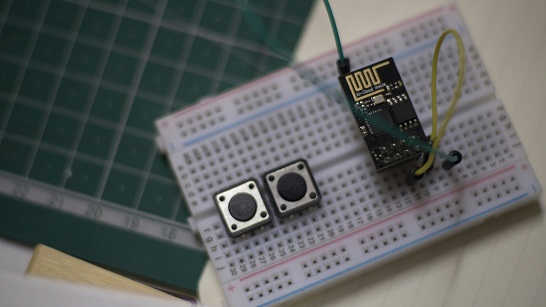

The Internet of Things (IoT) refers to the network of interconnected devices that communicate and exchange data with one another over the Internet. This revolutionary concept encompasses various technologies and applications that allow everyday objects to connect to the internet, thereby enhancing their functionality. IoT has emerged as a critical component of our increasingly digital world, enabling a seamless interaction between the physical and digital realms.
At its core, the primary characteristic of IoT is its ability to collect, share, and analyze data in real time. This capacity allows devices to interact intelligently without human intervention, turning traditional devices into smart entities. For example, smart thermostats can learn a homeowner’s preferences and adjust heating or cooling accordingly, leading to increased energy efficiency. Other IoT applications include smart home devices, wearable fitness trackers, and industrial automation systems, all of which highlight the versatility and utility of IoT technology.
Several key components are essential to the effective operation of IoT systems. Sensors collect data from the environment, while connectivity allows for communication between devices. Cloud computing provides the infrastructure for data processing and storage, ensuring that information is accessible anytime, anywhere. Additionally, advanced analytics and machine learning play a pivotal role in interpreting the vast amounts of data generated by IoT devices, providing actionable insights for users and businesses alike.
The importance of IoT extends beyond individual convenience; it holds the potential to transform industries, enhance efficiency, and improve decision-making processes. As the technology continues to evolve, the impact of the Internet of Things is expected to grow, offering smarter solutions for everyday challenges. Through its numerous applications and functions, the IoT showcases the power of connectivity in today’s interconnected digital landscape.
How IoT Works: Components and Technologies
The Internet of Things (IoT) is a complex ecosystem that relies on multiple components and technologies working in unison to deliver seamless connectivity and data processing. At the core of IoT systems are sensors, which are devices equipped to detect changes in the environment such as temperature, humidity, motion, or pressure. These sensors play a pivotal role in gathering real-time data, which is essential for various applications, ranging from smart homes to industrial automation.
Once data is collected by sensors, it needs a method to transmit that information to other devices or systems. This is where connectivity options come into play. Common technologies used for this purpose include Wi-Fi, Bluetooth, cellular networks, and low-power wide area networks (LPWAN). Each of these connectivity options has its own advantages and limitations, suited to different IoT scenarios. For instance, Wi-Fi is excellent for high-bandwidth applications, while Bluetooth is favored for short-range communication with low energy consumption.
After the data is transmitted, it is often sent to a cloud computing platform, which serves as a centralized hub for data storage, processing, and analysis. Cloud computing has revolutionized the way IoT functions by providing scalable resources and advanced analytics capabilities. Data analytics tools can then be employed to interpret the vast amounts of information collected, enabling businesses and organizations to derive actionable insights and make informed decisions.
In summary, the efficacy of IoT systems hinges on these essential components and technologies—sensors for data collection, connectivity options for transmission, cloud computing for storage, and data analytics for interpretation. Understanding how these elements interact is crucial for anyone looking to navigate the ever-changing landscape of the Internet of Things.
Benefits and Challenges of IoT Implementation
The Internet of Things (IoT) has made significant inroads into various industries, offering myriad benefits that enhance operational efficiency, cost-effectiveness, and user satisfaction. One prominent advantage of IoT is the ability to collect and analyze vast amounts of data in real-time. This capability allows businesses to identify inefficiencies within their processes and implement data-driven solutions. For instance, in manufacturing, IoT devices can monitor equipment performance and predict maintenance needs, thereby reducing downtime and extending the lifespan of machinery. Similarly, in healthcare, IoT-enabled devices can provide continuous patient monitoring, leading to timely interventions and improved patient care.
Besides operational improvements, IoT applications often lead to substantial cost savings. By optimizing resource use and automating routine tasks, organizations can reduce their operational costs significantly. This is particularly evident in sectors like logistics, where IoT sensors can track shipments in real time, minimizing delays and losses. Furthermore, enhanced user experiences through personalized services and proactive customer engagement have become possible due to IoT innovations.
Despite the numerous benefits, implementing IoT also presents several challenges. One of the most pressing concerns is security risks. The interconnected nature of devices often leads to vulnerabilities that malicious actors can exploit. Therefore, organizations must invest in robust cybersecurity measures to protect sensitive information from breaches. Additionally, privacy issues arise as IoT devices frequently collect user data, which raises questions about consent and data ownership. Lastly, standardization and interoperability among various devices remain a challenge, as the lack of uniform protocols can hinder the seamless integration of IoT systems.
Getting Started with IoT: A Beginner’s Toolkit
Embarking on a journey into the Internet of Things (IoT) can be both exciting and overwhelming for beginners. A structured approach, combined with accessible tools and resources, can significantly enhance the learning experience. To start, one should consider investing in essential hardware platforms, primarily Arduino and Raspberry Pi. These versatile development boards provide an excellent foundation for prototyping IoT applications, enabling users to experiment with various sensors and actuators. The vast ecosystem surrounding these platforms ensures that newcomers can access ample tutorials and project ideas.
Assemble a basic toolkit consisting of components like sensors, actuators, and connectivity modules. Common sensors such as temperature, humidity, and motion sensors can give beginners an insight into how devices interact with their environments. Actuators like motors and servos can introduce users to the concept of actions initiated based on sensor data. Furthermore, modules like Wi-Fi or Bluetooth expand the potential of projects, allowing users to explore wireless communication methods prevalent in IoT.
Participation in community forums can also provide valuable insights. Websites such as Stack Overflow, Arduino Forum, or Raspberry Pi Community are excellent platforms where one can ask questions, share experiences, and learn from seasoned professionals. Additionally, numerous online learning platforms, such as Coursera or edX, offer courses dedicated to IoT technology, ranging from beginner to advanced levels, guiding users through essential concepts and applications.
Finally, practical hands-on projects are crucial in reinforcing IoT concepts. Beginners could start with simple tasks like creating a weather station or a smart light control system, progressively advancing to complex integrations involving multiple devices. As familiarity increases, so does the understanding of IoT ecosystems, data handling, and cloud integration, paving the way for more sophisticated projects and lifelong learning in this dynamic tech space.