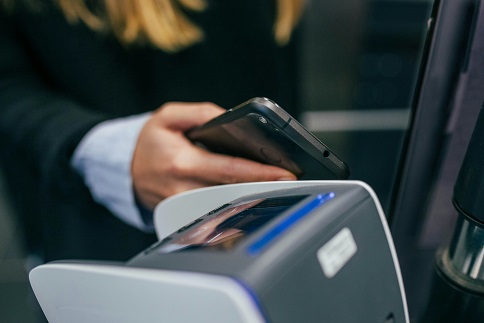

Introduction to Digital Payments
Digital payments refer to transactions that are carried out electronically, signaling a significant departure from traditional payment methods, such as cash or checks. Instead, they involve the use of digital technologies to facilitate the transfer of money between individuals, businesses, and institutions. This can encompass a variety of methods including credit card payments, online bank transfers, mobile wallets, and cryptocurrency transactions.
The growth of digital payments is driven by several factors, including the increasing penetration of smartphones, the rise of e-commerce platforms, and the demand for convenience among consumers. These factors have contributed to a seismic shift in how transactions are conducted, making digital solutions not only preferred but, in many instances, a necessity in the modern economy. Furthermore, the ongoing advancements in technology have enabled faster, safer, and more efficient payment systems, further solidifying the role of digital payments in everyday life.
As consumers become more accustomed to conducting financial activities online, businesses are also adapting by embracing digital payment options, which can enhance customer experience and streamline operations. Digital payment systems often offer advantages such as lower transaction fees, increased security protocols, and improved cash flow for businesses. As such, the market for digital payments is poised for even greater expansion as both consumers and businesses recognize the benefits associated with cashless transactions.
This transition towards a cashless economy foreshadows dramatic transformations in financial transactions. In the following sections, we will delve deeper into future trends, examining how innovations in technology might further reshape the landscape of digital payments and their implications on global economies.
Current Trends in Cashless Transactions
The financial landscape is increasingly witnessing a shift towards cashless transactions, a trend driven by technological advancements and changing consumer preferences. One of the most significant developments in this domain is the rise of contactless payments, which allow consumers to complete transactions by simply tapping their cards or devices at point-of-sale terminals. This method not only accelerates the payment process but also enhances the convenience of shopping experiences, leading to a noticeable increase in adoption by both consumers and retailers.
Mobile wallets have also surged in popularity, offering users a secure and efficient way to manage their finances without the need for physical currency. Applications such as Apple Pay, Google Pay, and various banking apps enable individuals to make purchases, transfer funds, and manage loyalty programs, all from their smartphones. The ease of accessing funds at any moment encourages more consumers to embrace cashless transactions, ultimately shaping their spending habits.
Furthermore, the emergence of cryptocurrencies has introduced an innovative dimension to payment systems. Digital currencies like Bitcoin and Ethereum provide an alternative means for transactions that are decentralized and can operate without traditional banking intermediaries. The growing acceptance of cryptocurrencies by businesses and online platforms reflects a gradual shift in consumer behavior toward more diverse payment options, contributing to the evolving landscape of commerce.
These trends are not only influencing how consumers transact but are also pushing businesses to adapt their operations to remain competitive. Companies are increasingly investing in new technology to facilitate cashless options, optimize customer experiences, and enhance security. This transformative period marks a pivotal moment in the evolution of financial transactions, as society moves closer to a fully cashless economy.
Technological Innovations Driving Digital Payments
The landscape of digital payments is rapidly evolving, largely driven by significant technological innovations that enhance both security and efficiency in transactions. One of the foremost advancements lies in blockchain technology, which allows for secure and transparent ledger systems. By eliminating intermediaries, blockchain not only speeds up transaction times but also reduces transaction fees, making it an attractive option for both consumers and merchants. Its decentralized nature also adds an extra layer of security, reducing the likelihood of fraud.
Artificial intelligence (AI) is another key player in the transformation of payment systems. AI algorithms can analyze transaction patterns in real-time, which helps in identifying and mitigating fraudulent activities. Furthermore, AI enhances user experience by personalizing payment offerings and facilitating smarter decision-making for both consumers and businesses. The ability to process vast amounts of data allows AI-driven systems to offer predictive analytics that can influence marketing strategies and customer engagement.
Additionally, biometric authentication is increasingly being adopted for securing digital transactions. This technology uses unique physiological traits, such as fingerprints or facial recognition, to confirm user identity. By leveraging biometric data, digital payment systems are enhancing security measures while simplifying the authentication process for users. This move towards biometric solutions is not only addressing concerns over identity theft but also streamlining the consumer experience by minimizing the need for passwords and PINs.
As these technological advancements continue to evolve, they pave the way for a more robust digital payment infrastructure. The combination of blockchain, AI, and biometric methods provides enhanced security, increases efficiency, and ultimately lays the foundation for cashless economies. The implications of these innovations are far-reaching, influencing consumer behavior, financial transactions, and economic systems worldwide.
Impact of COVID-19 on Cashless Economies
The COVID-19 pandemic has significantly transformed the landscape of cashless economies across the globe. With the onset of the pandemic, health concerns emerged as a driving factor behind an increased reliance on digital payment methods. As individuals and businesses alike sought to minimize physical contact, the adoption of contactless payment options surged, facilitating a rapid transition towards cashless transactions.
Social distancing measures implemented by governments prompted many consumers to shift their payment preferences. Traditional cash transactions were often viewed as a potential vector for virus transmission, leading to heightened apprehensions surrounding physical currency. Amid these concerns, digital payment solutions such as mobile wallets, payment apps, and online banking gained traction, providing a safer alternative that met the evolving demands of consumers. This shift was not limited to retail environments; sectors such as dining and service industries also saw an accelerated move towards cashless payment systems.
Moreover, the pandemic served to highlight the importance of technological infrastructure in facilitating seamless financial transactions. As businesses adapted to new operational paradigms, many invested in upgrading their digital payment capabilities to accommodate an increasing number of online transactions. This not only catered to consumer preferences but also allowed businesses to remain operational during periods of lockdown.
As a result of these changes, the trend towards cashless economies appears to be more than a temporary response to pandemic-related challenges. The sustained demand for convenient, secure, and hygienic payment options is likely to result in a long-lasting transformation in payment behavior. Consumers have now experienced the benefits of digital banking and payment solutions, making it clear that the path towards fully cashless economies has been significantly accelerated by the COVID-19 crisis.
Economic Implications of Going Cashless
The transition to a cashless economy brings forth a myriad of economic implications that span across various sectors, including banking, financial institutions, and governmental policies. As society increasingly embraces digital payment systems, traditional banking operations must adapt to stay relevant. The widespread adoption of cashless transactions may lead banks to restructure their service offerings, prioritize digital infrastructure, and invest in advanced cybersecurity measures to protect sensitive data.
Furthermore, financial institutions may experience both challenges and opportunities. On one hand, a decrease in cash usage could result in reduced profits from the traditional banking sector due to lower demand for cash handling services. On the other hand, the growth of e-commerce and digital wallets may spur new revenue streams, including transaction fees and value-added services tailored for a cashless clientele.
From a governmental perspective, the shift towards digital payments can enhance the efficiency and transparency of tax collection systems. By reducing the shadow economy linked to cash transactions, governments can improve their ability to track financial flows, leading to more accurate assessments of taxation and reduced tax evasion. However, this transition also necessitates the formulation of robust regulatory frameworks to protect consumer rights and ensure equitable access to digital financial services.
Despite these potential benefits, there are significant concerns regarding the implications of a cashless society. Issues such as digital exclusion, where marginalized populations lack access to necessary technology, can exacerbate existing socioeconomic disparities. Additionally, the increasing reliance on digital platforms raises questions about privacy and data security, prompting a need for ongoing dialogue about regulatory measures to protect consumers.
Ultimately, while the transition to a cashless economy offers numerous advantages, it also presents challenges that warrant careful consideration by policymakers, financial institutions, and society at large.
Challenges and Risks in Digital Payment Systems
The rapid evolution of digital payment systems has paved the way for cashless economies, offering unprecedented convenience and efficiency in transactions. However, along with these advancements come significant challenges and risks that merit consideration. One of the foremost concerns is the threat of cybersecurity breaches. As more individuals and businesses rely on digital transactions, the likelihood of cyberattacks increases, leading to potential financial losses and compromised sensitive information. Cybersecurity threats can manifest in various forms, including hacking, phishing attacks, and identity theft, raising the need for robust security protocols.
Another critical issue surrounding digital payment systems is the potential violation of privacy. Users often need to share personal and financial information to utilize these platforms, creating vulnerabilities that can be exploited. The aggregation of transaction data raises questions about who has access to this information, how it is used, and the extent to which consumers can trust these systems. Privacy concerns can lead to apprehension about adopting cashless solutions among certain demographics, hindering widespread acceptance.
Furthermore, the shift towards digital payments highlights the digital divide prevalent in society. Not all individuals have equal access to the internet or smartphones necessary for engaging in cashless transactions, potentially excluding certain segments, particularly the elderly and low-income groups. This inequity raises important questions about inclusivity and fairness in cashless economies. As governments and organizations advocate for digital transformation, it is crucial to address these disparities to ensure that all citizens can participate in the benefits of digital payment systems.
In conclusion, while digital payment systems offer substantial advantages, stakeholders must remain aware of the inherent challenges and risks, including cybersecurity threats, privacy concerns, and the digital divide. Addressing these factors is essential for fostering a secure and inclusive cashless economy.
The Role of Governments and Regulations
The landscape of digital payments is continually evolving, prompting governments worldwide to engage in the establishment of regulatory frameworks aimed at safeguarding consumers and enhancing overall security. The role of government regulation is paramount in shaping the future of cashless economies, especially as digital payment methods gain popularity and overshadow traditional cash transactions.
Currently, various regulatory bodies have been established to oversee digital payment systems. In many jurisdictions, these include central banks, financial regulatory authorities, and consumer protection agencies. Their primary focus is to ensure that digital payment platforms operate within safe parameters, fostering trust among consumers. Regulations often pertain to aspects such as anti-money laundering (AML) measures, secure customer identification protocols, and the protection of personal data. Compliance with these regulations is critical for companies that facilitate digital transactions, as non-compliance can lead to substantial penalties and reputational damage.
Future changes to these regulatory frameworks are anticipated as the digital payment ecosystem progresses. As technology evolves, regulators may need to introduce new guidelines to address emerging challenges such as cybersecurity threats and the increasing sophistication of digital fraud. Additionally, as cryptocurrencies and decentralized finance (DeFi) gain traction, governments are likely to develop more robust regulations to address their unique challenges and protect consumers from potential risks associated with these innovations.
Furthermore, cooperative measures at the international level could enhance consistency in regulations across borders, benefiting businesses operating in multiple jurisdictions. Effective regulation should aim to strike a balance between innovation and consumer protection, ensuring that growth in digital payment systems does not compromise security. Overall, the role of governments and regulatory bodies is integral to fostering a secure environment for digital transactions, which will serve as a cornerstone for the future of cashless economies.
The Future of Cash: Predictions and Outlook
The landscape of payment systems is evolving rapidly, spurring discussions regarding the future of cash in an increasingly cashless society. As digital payment platforms gain traction, the coexistence of cash and electronic transactions becomes a focal point of exploration among industry experts and researchers.
One prediction emerging from financial analysts is that cash, while declining in circulation, will not disappear entirely. Instead, it may evolve into a niche payment method, catering to specific demographics and circumstances. For instance, older generations or individuals in rural areas with limited internet access may continue to prefer physical currency due to its tangibility and simplicity. Additionally, cultural factors and monetary philosophies in various regions could sustain the use of cash, allowing it to persist alongside digital alternatives.
Furthermore, predictions indicate that cashless transactions will gain even more prominence due to advancements in technology and consumer preferences. With innovations like mobile wallets, contactless payments, and cryptocurrency gaining popularity, the transactional landscape may shift dramatically. Industry experts emphasize that for businesses, adapting to these changes is imperative, as customers increasingly seek convenience and speed in their purchasing experiences.
Research suggests that governments may also promote cashless economies to enhance efficiency, reduce costs, and mitigate illicit activities. Countries like Sweden are already on the pathway to becoming cashless societies, leading to debates about the implications for social equity, privacy, and economic resilience.
In conclusion, while cash may gradually diminish in everyday transactions, it is likely to persist as a complementary payment option, particularly for segments of the population that rely on it. The balance between cash and digital payments will continue to shape the economic landscape, as various stakeholders navigate their roles in this evolving arena.
Conclusion: Embracing the Cashless Future
As we stand on the brink of a significant transformation in the financial landscape, the shift towards cashless economies offers both challenges and opportunities. Digital payments are no longer a passing trend; they are becoming the cornerstone of global commerce. Consumers are increasingly gravitating towards contactless transactions due to their convenience, security, and efficiency. As technology continues to advance, the integration of digital solutions into everyday transactions is expected to deepen.
In this fast-evolving environment, adaptation is essential. Organizations, consumers, and financial institutions need to stay informed about the latest developments within the digital payment space. Understanding innovations such as blockchain, cryptocurrencies, and contactless payment methods will be crucial for all participants in the economy. These emerging technologies not only promise to enhance the payment process but also to reshape financial inclusion by providing services to unbanked populations worldwide.
However, with these advancements come important considerations regarding security, privacy, and the potential for increased vulnerabilities. Stakeholders must work collaboratively to address these concerns, ensuring that as the shift towards cashless transactions accelerates, the overall integrity of the financial ecosystem remains robust. Consumers should educate themselves about best practices to safeguard their personal information and stay vigilant against potential threats in the cyber landscape.
Ultimately, embracing a cashless future means recognizing the significant potential for economic growth and improved efficiency in financial transactions. By remaining adaptable and proactive, individuals and businesses alike can harness the benefits of these advancements while addressing the inherent challenges. As we venture into this new era of digital payments, engagement and awareness will be key to thriving in a cashless economy.