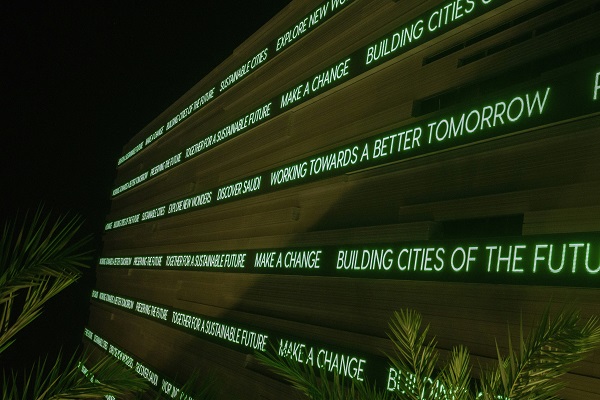

Introduction to Smart Cities
Smart cities represent a contemporary approach to urbanization, integrating advanced technologies with urban management to enhance the quality of life for residents. The essence of a smart city lies in its ability to leverage technological innovations to optimize services, manage resources efficiently, and promote sustainable development. By incorporating solutions such as Internet of Things (IoT), big data analytics, and artificial intelligence (AI), smart cities aim to create responsive environments that dynamically adjust to the needs of their inhabitants.
The significance of smart cities in urban development cannot be overstated. As urban populations continue to swell, the need for effective infrastructure and resource management becomes critically pressing. Smart cities tackle these challenges by enabling real-time data collection and analysis, which facilitates evidence-based decision-making for city planners and administrators. This responsiveness not only improves service delivery but also fosters citizen engagement, as residents can participate actively in the planning and maintenance of their urban spaces.
Moreover, smart cities prioritize sustainability by promoting energy efficiency, reducing waste, and lowering carbon footprints. Technologies such as smart grids and intelligent transportation systems are designed with these objectives in mind, ultimately contributing to a higher quality of life. Residents benefit from improved public transportation, enhanced safety measures, and convenient access to services, which collectively lead to an enriched urban experience.
In understanding smart cities, it is crucial to consider the various components at play, including interconnected systems that facilitate communication between devices and infrastructure. This interconnectedness is foundational to achieving the overarching goal of enhanced urban living, making it imperative for cities worldwide to explore the adoption of smart technologies. This introductory overview sets the stage for further discussion on the specific emerging technologies that drive the evolution of smart cities.
The Role of Data and Connectivity
The evolution of smart cities is profoundly influenced by the integration of data and connectivity. These modern urban spaces leverage the Internet of Things (IoT), big data, and advanced analytics to create efficient, responsive environments that cater to the needs of their residents. At the core of this transformation lies the IoT, where devices and sensors embedded throughout the city collect vast amounts of data. This data can include real-time information on traffic patterns, energy consumption, public safety, and environmental conditions.
Connectivity is essential for the seamless operation of these smart devices. Reliable and fast networks, such as 5G technology, enable the rapid transmission of data between interconnected devices and city infrastructures. Such connectivity facilitates instant communication, allowing city officials to monitor systems in real-time and respond promptly to any emerging issues. For instance, through smart traffic management systems that analyze data from multiple sources, cities can reduce congestion and improve transportation efficiency.
Big data plays a pivotal role by enabling the analysis of collected information to uncover trends and insights that would otherwise remain hidden. By applying advanced analytics, city planners can make informed decisions to enhance public services. This analysis can lead to innovations in waste management, energy distribution, and emergency response systems. Ultimately, the strategic use of data not only enhances operational efficiency but also improves overall quality of life for residents.
The collaboration between various sectors, including government, technology firms, and the community, is vital for fostering an environment that values data privacy and security while maximizing the benefits of connectivity. By prioritizing data-driven solutions, cities can become more resilient, sustainable, and adaptable in the face of future challenges.
Sustainable Urban Development
As the world progressively shifts towards urbanization, the concept of smart cities becomes increasingly crucial in promoting sustainable urban development. Smart cities leverage innovative technologies to enhance the quality of urban life while addressing the environmental challenges that arise with increased population density. Among the key initiatives in this domain are smart waste management systems, energy-efficient buildings, and sustainable transportation options.
Smart waste management employs technology-driven solutions to optimize trash collection and minimize landfill contributions. Through the use of sensors and real-time data analysis, cities can track waste levels and dynamically adjust collection routes and schedules. This not only reduces costs and the carbon footprint associated with refuse collection but also fosters recycling and circular economy efforts. Enhanced waste segregation and tracking systems promote responsible disposal of materials, leading to reduced environmental impact.
Energy-efficient buildings are another crucial element in the development of smart cities. These structures utilize advanced technologies such as smart thermostats, energy management systems, and sustainable materials to reduce energy consumption significantly. By employing renewable energy sources and integrating smart grids, cities can lower greenhouse gas emissions and contribute to a healthier urban environment. Buildings equipped with energy-efficient designs not only decrease operational costs for occupants but also align with wider sustainability goals.
Sustainable transportation options constitute a critical facet of smart city infrastructure. Investments in electric public transport, bicycle-sharing programs, and pedestrian-friendly urban spaces encourage residents to adopt more eco-friendly travel habits. By reducing dependency on fossil fuel-powered vehicles, smart cities can significantly decrease greenhouse gas emissions and enhance overall air quality. Furthermore, integrating mobility-as-a-service platforms promotes seamless transitions between different forms of transport, making it easier for residents to choose sustainable options.
In essence, the synergy of innovative technologies in smart cities plays a pivotal role in fostering sustainability. These initiatives not only mitigate environmental impacts but also enhance the overall quality of life for urban residents, paving the way for a sustainable future.
Improving Public Services with Technology
The advent of smart technologies has initiated a transformative wave across urban landscapes, particularly in enhancing public services. In the realms of healthcare, education, and emergency services, the integration of innovative technologies has significantly improved accessibility, efficiency, and responsiveness, thereby revolutionizing the way these essential services are delivered in smart cities.
In healthcare, for instance, telemedicine platforms have emerged as a convenient solution, allowing patients to consult with healthcare professionals through online platforms. This not only facilitates timely medical advice but also alleviates the burden on local healthcare facilities. Furthermore, wearable health technologies, such as smartwatches, enable continuous health monitoring, which allows for proactive management of chronic conditions and promotes a healthier lifestyle among urban residents. By harnessing data analytics, healthcare providers can tailor their services to better meet community needs, making public health initiatives more impactful.
Within the education sector, smart technologies play a pivotal role in enhancing learning experiences. Online learning platforms and mobile applications democratize access to educational resources, empowering students in urban centers to receive personalized instruction. Technologies such as augmented reality (AR) and virtual reality (VR) offer immersive learning experiences, allowing students to engage with complex subjects in innovative ways. As a result, smart cities can foster a more educated population, equipped with the skills necessary for the demands of tomorrow’s economy.
Moreover, the application of smart technologies in emergency services enhances the responsiveness and efficiency of urban governance. Real-time data sharing through dedicated apps enables faster response times during emergencies, ensuring the safety of city inhabitants. Smart traffic management systems can also optimize emergency vehicle routes, reducing delays and improving overall public safety. By employing integrated communication systems, emergency services can better coordinate their efforts, leading to more effective disaster response strategies.
Transportation Innovations in Smart Cities
The integration of emerging technologies into urban transportation systems is pivotal for the development of smart cities. One of the most significant advancements is the rise of autonomous vehicles (AVs). These self-driving cars have the potential to reduce traffic accidents significantly, as they rely on advanced sensors and artificial intelligence to navigate complex environments. By minimizing human error, AVs can help improve overall safety and efficiency in urban transport networks.
Smart traffic management is another critical area where technology is reshaping transportation. Using real-time data analytics and Internet of Things (IoT) devices, cities can better monitor traffic flow and optimize signal timing. This results in reduced congestion, shorter travel times, and fewer emissions. Intelligent traffic lights that adapt based on current traffic conditions exemplify how cities can leverage technology to enhance mobility and improve air quality.
Furthermore, public transportation systems are increasingly adopting data-driven approaches to enhance commuter experience. By utilizing real-time data, transit authorities can provide accurate arrival times, route information, and service updates to passengers through mobile applications and intelligent displays at stations. This level of transparency not only empowers commuters but also encourages greater use of public transport, which contributes to a decrease in the number of vehicles on the road.
Incorporating innovations such as smart parking solutions, which direct users to available spaces and facilitate payment through mobile apps, significantly enhances urban mobility. The ability to effortlessly locate parking can ease some of the congestion commonly experienced in busy city centers. As cities continue to evolve, the synergy between autonomous vehicles, smart traffic management systems, and responsive public transportation will be crucial for shaping the future of urban mobility.
Citizen Engagement and Participation
In the development of smart cities, citizen engagement and participation play a critical role. By actively involving residents in the planning and implementation processes, city officials can ensure that initiatives align with the actual needs and desires of the community. This collaborative approach not only fosters transparency but also helps build trust between citizens and their governments.
Modern technologies offer a variety of platforms and tools that facilitate this engagement. For instance, mobile applications and online dashboards can enable residents to voice their opinions, report issues, and provide feedback on urban projects. These digital solutions empower citizens by providing them with accessible means to influence decision-making processes, thereby enhancing community participation.
Social media channels also serve as a vital link, allowing city governments to communicate effectively with residents. Through social media, officials can share updates, solicit responses, and engage in conversations with their constituents. This digital interaction is particularly beneficial in reaching a broader audience, including young and tech-savvy residents who might be less likely to engage through traditional methods.
Moreover, participatory budgeting initiatives exemplify another innovative strategy for boosting citizen involvement. These programs provide residents with opportunities to directly influence how budget allocations are made, ensuring that funding aligns with community priorities. By incorporating feedback mechanisms into their processes, cities can adapt rapidly to address the changing needs of their populations, ultimately leading to more sustainable and efficient urban environments.
In essence, fostering citizen engagement not only enriches the decision-making process but also enhances the overall effectiveness of smart city initiatives. As cities continue to evolve, prioritizing mechanisms for public participation will be key to ensuring that the benefits of emerging technologies are shared equitably across communities.
Challenges to Smart City Implementation
The implementation of smart city technologies, while promising significant advancements to urban living, is not without its challenges. One prominent issue is cybersecurity. As cities deploy interconnected systems to manage infrastructure—such as waste management, traffic control, and public safety—the risk of cyberattacks increases. Malicious actors can exploit vulnerabilities in smart devices and networks, potentially leading to detrimental ramifications for city operations and the safety of its citizens.
Data privacy also poses a significant obstacle. Smart cities rely heavily on data collection to optimize services and improve the quality of life for residents. However, the extensive collection of personal data raises concerns about how this information will be stored, used, and protected. Citizens may feel uncomfortable with the potential misuse of their data, leading to trust issues between the public and city authorities. Ensuring robust data protection measures are in place is crucial for fostering a secure environment.
Funding challenges further complicate the implementation process for smart technologies. Many municipalities operate on tight budgets, making it difficult to allocate funds for advanced technological infrastructure. Partnerships with private sector companies and securing government grants can help, but financial hurdles often remain a limiting factor. Cities must carefully evaluate their options and prioritize smart initiatives that will yield the most significant return on investment.
Lastly, the digital divide among citizens presents another challenge. Not all residents have equal access to technology or the internet, which can exacerbate existing inequalities. As cities become smarter, it is essential to ensure that all community members can benefit from these advancements. Without addressing the digital divide, there is a risk that certain populations may be left behind in the smart city revolution, ultimately undermining the inclusive goal of these initiatives.
Future Trends in Smart City Development
The trajectory of smart city development is set to revolutionize urban living in profound ways over the next decade. A pivotal trend is the integration of artificial intelligence (AI) across various urban services. Cities are increasingly leveraging AI to enhance traffic management, optimize energy consumption, and improve waste management systems. Predictive analytics and machine learning algorithms will not only streamline these services but also allow for real-time data utilization, enabling quicker responses to urban challenges.
Moreover, advancements in renewable energy technologies will play a significant role in shaping sustainable smart cities. Innovations such as solar power and wind energy generation systems are being integrated into urban infrastructures. As cities embrace smart grids, they can create more efficient energy systems that harness renewable sources, significantly reducing their carbon footprints. The combination of AI and renewable energy technologies will promote energy resiliency and sustainability, fostering an environment conducive to growth while adhering to ecological considerations.
Another critical component of future urban development will be the deployment of 5G networks. The enhancement of connectivity will be transformative for smart cities, enabling faster data transfer and facilitating the Internet of Things (IoT) integration. With 5G technology, smart city infrastructure can support a myriad of connected devices, from smart traffic lights to environmental sensors, improving urban service delivery. These networks will also be instrumental in fostering economic growth through smart commerce, enhancing citizen engagement through streamlined communication channels, and providing platforms for innovative services.
As these trends evolve, the interplay between AI, renewable energy advancements, and 5G technologies will pave the way for more intelligent, resilient, and sustainable urban environments.
Conclusion and Call to Action
The concept of smart cities, empowered by emerging technologies, presents a transformative vision for urban living. Throughout this discussion, we have explored various facets of smart city development, including the integration of Internet of Things (IoT) technologies, advancements in renewable energy initiatives, and the significance of data-driven governance. These elements collectively foster enhanced efficiency, sustainability, and improved quality of life for residents.
Moreover, the role of citizen engagement in shaping these smart environments has been emphasized. Community involvement is essential in ensuring that smart city solutions address the unique needs and aspirations of the population. The dialog between local governments and residents must be robust, fostering a partnership that champions innovation while being responsive to the public’s concerns.
As cities continue to evolve, the adoption of smart solutions becomes not only a matter of modernization but also one of necessity. Urban populations are expanding, and with this growth, the demand for efficient resource management, sustainable transportation, and enhanced public safety rises significantly. As such, it is imperative that lawmakers and city planners leverage emerging technologies to create spaces that are resilient and adaptive.
In light of these advancements, we invite you to become proactive participants in your community’s evolution. Reach out to your local government representatives to express support for smart city initiatives. Engage in public forums, participate in community planning meetings, and advocate for projects that prioritize technology integration and sustainability. Together, we can shape the future of our cities into places that not only thrive economically but also prioritize the well-being of their citizens.