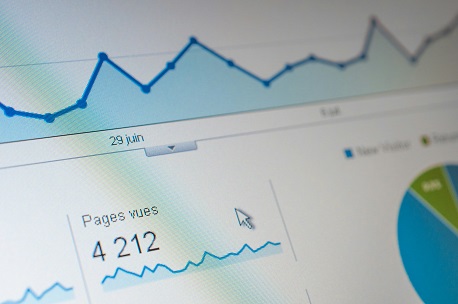

Introduction to Data Analytics in Marketing
Data analytics in marketing is a critical component of modern marketing strategies, providing businesses with the insights necessary to understand and engage their consumers effectively. With the continual rise of digital technologies, organizations are increasingly reliant on data analytics to navigate the complexities of consumer behavior. This growing reliance transforms raw data into actionable intelligence that guides marketing efforts, enhances customer experiences, and improves overall efficiency.
The importance of data analytics in marketing cannot be overstated. Companies utilize various analytics tools to collect, process, and analyze data from multiple sources, including social media interactions, website traffic, and customer transactions. This wealth of data allows businesses to identify patterns, preferences, and trends that inform their marketing decisions. For example, through predictive analytics, companies can forecast future consumer behaviors and adjust their marketing strategies accordingly to target specific demographics effectively.
Moreover, the integration of data analytics fosters a deeper understanding of customer journeys, from initial engagement to final purchase. By analyzing the data collected at different touchpoints, marketers can tailor their campaigns to meet consumers’ needs, ultimately enhancing customer satisfaction and loyalty. Furthermore, this strategic approach to data usage has proven to elevate marketing efficiency, as resources can be allocated more effectively based on insights gathered from analysis.
As businesses continue to navigate a digital landscape flooded with information, the role of data analytics in marketing remains paramount. This introduction sets the stage for exploring specific aspects, tools, and methodologies of data analytics and their direct impact on modern marketing efforts.
Understanding Consumer Behavior Through Data
Data analytics plays a pivotal role in modern marketing by enabling marketers to gain deep insights into consumer behavior and preferences. By utilizing various data sources, businesses are able to build comprehensive profiles of their customers, which in turn informs their marketing strategies.
Surveys are one of the primary methods for collecting consumer data. These structured questionnaires allow businesses to gather information directly from consumers, uncovering their preferences, motivations, and purchasing behaviors. The insights garnered from surveys can help marketers identify trends and align their offerings with market demands. However, surveys are only one element of a multifaceted data landscape.
Another significant source of data is social media. With billions of users sharing their opinions and experiences online, platforms like Facebook, Twitter, and Instagram provide a wealth of information that can be analyzed to understand consumer sentiment. By conducting sentiment analysis and monitoring engagement metrics, marketers can gauge public perception of their brand and tailor their messaging accordingly. Furthermore, social media activities can reveal what consumers value most, providing a direct line to their interests and preferences.
Transaction histories also offer crucial insights into consumer behavior. By examining past purchases, companies can identify buying patterns and preferences. This data enables businesses to implement targeted marketing strategies, such as personalized recommendations and promotions that resonate with individual customers. By analyzing this transactional data, organizations can enhance customer loyalty and drive repeat purchases, ultimately boosting their bottom line.
Through these diverse data sources—surveys, social media engagement, and transaction records—data analytics empowers marketers to decode consumer behavior. By leveraging these insights, businesses can develop more effective marketing strategies that are aligned with customer expectations, leading to increased satisfaction and engagement.
Segmentation and Targeting
In the realm of modern marketing, data analytics plays a crucial role in refining market segmentation and targeting strategies. Utilizing analytical methods enables businesses to dissect complex consumer demographics and behaviors, ensuring that marketing efforts are both efficient and effective. One of the most commonly employed techniques is clustering, which groups consumers based on shared characteristics, allowing marketers to identify distinct segments within their audience. By analyzing attributes such as purchasing behavior, preferences, and demographic information, businesses can better understand the nuances that define each segment.
In addition to clustering, regression analysis serves as another powerful tool in the segmentation and targeting process. This statistical method allows marketers to assess the relationship between various independent variables and a dependent variable, often consumer purchasing decisions. By incorporating factors such as price sensitivity, product features, and consumer demographics into regression models, businesses can predict how different segments will respond to a marketing campaign. This predictive power aids marketers in crafting tailored messages that resonate with specific groups.
Furthermore, utilizing data analytics not only enhances the accuracy of segmentation efforts but also ensures that marketing resources are allocated judiciously. Through informed targeting, businesses can reach the right audience at the right time with messages that are most likely to convert. This level of precision in marketing reduces wasteful spending on broad campaigns that may not yield substantial returns. Ultimately, the integration of data analytics into segmentation and targeting allows organizations to optimize their strategies, increasing engagement and fostering stronger connections with their customers.
Personalization in Marketing
In the landscape of modern marketing, personalization is a crucial strategy that leverages data analytics to forge deeper connections with consumers. Businesses are increasingly turning to advanced analytics to interpret vast amounts of consumer data, enabling them to tailor their marketing efforts to individual preferences and behaviors. This transition from generic to personalized marketing is largely facilitated by insights drawn from data analytics, which allow brands to deliver highly relevant content and offers.
Data analytics empowers marketers to segment their audience more effectively by analyzing demographic, behavioral, and transactional data. By understanding the specific needs and desires of different consumer segments, companies can create targeted marketing campaigns that resonate more strongly with their audience. For instance, a retailer can utilize purchase history and browsing behavior to recommend products that align with an individual’s interests, thereby enhancing the likelihood of conversion.
Furthermore, personalization extends beyond product recommendations to include tailored messaging and promotional strategies. Companies can craft emails, advertisements, and social media content that speak directly to individual consumers, based on their unique preferences gathered through data analyses. This level of customization not only boosts engagement rates but also fosters brand loyalty, as customers feel valued and understood.
Moreover, the integration of real-time data analytics allows businesses to adjust their marketing strategies dynamically. By monitoring customer interactions and preferences, marketers can optimize campaigns on-the-fly, ensuring that the content remains relevant and engaging. This agility is essential in an ever-evolving marketplace, where consumer preferences can shift rapidly.
In summary, data analytics plays a pivotal role in creating personalized marketing experiences. By leveraging consumer data effectively, businesses can enhance customer engagement, satisfaction, and ultimately drive conversion rates, making personalization a vital element of modern marketing strategies.
Measuring Campaign Effectiveness
In the ever-evolving landscape of modern marketing, the role of data analytics has emerged as a pivotal element in measuring the effectiveness of marketing campaigns. As businesses invest significant resources into their marketing efforts, understanding the return on investment (ROI) becomes vital. Through the lens of data analytics, marketers can gain insights that transcend gut-feeling decisions, allowing for informed strategies based on empirical evidence.
At the core of measuring effectiveness are key performance indicators (KPIs), which serve as quantifiable metrics that gauge the success of various marketing initiatives. Common KPIs include conversion rates, click-through rates (CTR), engagement metrics, and customer acquisition costs, all of which provide a framework for evaluating performance. Data analytics enables marketers to track these metrics in real time, offering the ability to make swift adjustments to campaigns, optimizing them for better results.
Moreover, advanced data analytics tools facilitate the segmentation of audiences, allowing for personalized marketing approaches that resonate with specific groups. By analyzing consumer behavior, demographics, and preferences, marketers can tailor their messages and offerings, thus enhancing engagement and effectiveness. A/B testing is another method bolstered by data analytics, where variations of a campaign can be analyzed to determine which performs better, leading to data-driven decisions that enhance overall campaign success.
Furthermore, data analytics fosters a culture of continuous improvement. By assessing past campaigns, marketers can identify areas for growth, refining their strategies based on what works and what doesn’t. This cyclical process of measurement and refinement not only sharpens marketing efforts but also ensures that businesses remain agile in an increasingly competitive market. Ultimately, harnessing the power of data analytics for measuring campaign effectiveness empowers marketers to pursue strategies that drive success and ensure sustainable growth.
Predictive Analytics and Future Trends
Predictive analytics is a pivotal component of modern marketing strategies, allowing businesses to forecast future trends and consumer behavior with remarkable accuracy. By leveraging various techniques such as machine learning, predictive modeling, and data mining, marketers can anticipate market movements and make informed decisions to enhance customer engagement and drive sales.
One of the most significant advantages of predictive analytics is its ability to analyze large datasets to identify patterns and trends. For instance, businesses can utilize algorithms that process historical data to predict how certain consumer segments are likely to respond to marketing campaigns. This leads to more targeted advertising efforts, tailored product recommendations, and personalized communication strategies that resonate with individual customer needs.
Machine learning, as a subset of predictive analytics, further strengthens the accuracy of forecasts. Algorithms evolve through continuous learning from incoming data, enabling marketers to refine their approaches based on real-time insights. This results in dynamic marketing strategies that can quickly adapt to shifting market conditions or emerging consumer preferences.
Moreover, predictive modeling techniques such as regression analysis and decision trees are instrumental in estimating future outcomes based on existing variables. By applying these methodologies, marketers can predict sales trends, customer retention rates, and even the lifetime value of customers. Additionally, they can identify potential risks and opportunities in the market, allowing for proactive strategy adjustments.
The future of predictive analytics in marketing is promising, with advancements in artificial intelligence and big data analytics paving the way for deeper insights. As businesses continue to harness these technologies, the ability to accurately predict trends and consumer behavior will become increasingly vital in maintaining a competitive edge in the marketplace.
Challenges in Data Analytics for Marketing
In the rapidly evolving field of marketing, data analytics has emerged as a vital component for understanding consumer behavior and optimizing marketing strategies. However, despite its potential advantages, marketers frequently encounter several challenges when implementing data analytics.
One of the foremost issues is data privacy concerns. With increasing regulations such as the General Data Protection Regulation (GDPR) and the California Consumer Privacy Act (CCPA), marketers are mandated to adhere to strict guidelines regarding data collection and usage. Ensuring compliance can be daunting. It is crucial for organizations to establish transparent data practices and prioritize consumer consent before gathering personal information.
Another significant hurdle is the quality of data. Marketers often grapple with inconsistent, incomplete, or inaccurate data, which can skew analysis and lead to misguided conclusions. Improving data quality involves investing in robust data cleaning processes and regularly updating databases to maintain accurate records. By leveraging automated tools and platforms, marketers can enhance the reliability of their datasets.
Moreover, integrating various data sources remains a persistent challenge. Data is typically siloed within different departments, leading to fragmented insights. A unified approach is necessary to garner a holistic view of customer interactions across multiple channels. Adopting advanced customer relationship management (CRM) systems and data integration tools can significantly improve the ability to consolidate information. By fostering collaboration between different teams and employing standardized metrics, organizations can break down such silos.
Addressing these challenges in data analytics for marketing is essential for organizations seeking to leverage insights effectively. By prioritizing data privacy, ensuring data quality, and facilitating source integration, marketers can harness the full power of data analytics to enhance their strategies and decision-making processes.
Case Studies of Successful Data-Driven Marketing
In the rapidly evolving marketing landscape, various companies have successfully embraced data analytics to enhance their marketing strategies. A notable example is Amazon, which utilizes extensive customer data to drive product recommendations. By analyzing customer behavior, purchasing patterns, and preferences, Amazon personalizes the shopping experience and increases sales. Their recommendation engine alone generates significant revenue, illustrating the powerful impact of leveraging data effectively. This approach not only fosters customer loyalty but also helps the company maintain its competitive edge.
Another exemplary case is Netflix, which has revolutionized the entertainment industry through its data-driven insights. By examining user viewing habits, Netflix is able to make informed decisions about content creation and acquisition. The success of original shows, such as “Stranger Things,” was largely predicated on data analytics revealing viewer preferences and trends. This tailored approach not only enhances subscriber retention but also minimizes the risks associated with content investments. As a result, Netflix has positioned itself as a leader in the streaming market, demonstrating the profitability of data-driven marketing strategies.
Furthermore, Coca-Cola has implemented a data analytics framework to optimize its marketing campaigns. By utilizing advanced analytics and social media listening tools, the company can effectively measure customer sentiment and engagement. For instance, Coca-Cola launched the “Share a Coke” campaign, which was informed by data regarding consumer interests and social behaviors. As a result, the campaign saw a remarkable increase in sales and brand engagement, highlighting how data can guide strategic marketing decisions.
These case studies illustrate that companies which adeptly employ data analytics can discover actionable insights that lead to successful marketing endeavors. As organizations navigate the complexities of market demands, the strategic application of data-driven marketing will remain a vital component in achieving their business objectives.
Conclusion and Future Outlook
In the landscape of modern marketing, the significance of data analytics cannot be overstated. As discussed throughout this blog post, the advent of sophisticated analytical tools has transformed the way marketers strategize, execute, and measure their campaigns. Data analytics empowers marketers to derive insights from consumer behavior, allowing for targeted personalized marketing efforts that resonate with their audiences. The effective use of data not only enhances customer engagement but also drives conversions and fosters brand loyalty.
Looking towards the future, the role of data analytics in marketing is anticipated to grow even more pivotal. With the continuous evolution of technology, marketers must adapt to increasingly complex data environments. The integration of artificial intelligence and machine learning will further streamline data analysis, enabling marketers to predict trends and consumer preferences with greater accuracy. As these technologies become more accessible, organizations will likely harness them to enhance their decision-making processes, making data-driven strategies a fundamental aspect of their operations.
Moreover, privacy and data security will remain paramount concerns as businesses burgeon their data collection efforts. Striking a balance between personalization and consumer privacy will be essential to foster trust and sustain relationships with customers. As regulations surrounding data usage tighten, companies will be prompted to adopt transparent practices in their data analytics approaches. Thus, the future of marketing will not only demand proficiency in data analysis but also a commitment to ethical data stewardship.
In conclusion, as data analytics continues to evolve, it will serve as a cornerstone for marketers aiming to maintain competitiveness in an ever-changing environment. Embracing data-driven methodologies will be not just advantageous but necessary for success in modern marketing.