
Machine learning (ML) is a subset of artificial intelligence that enables systems to learn from data, identify patterns, and make decisions with minimal human intervention. This innovative approach leverages algorithms that can detect trends within large datasets, allowing for predictive analysis and automation in various applications. As the world becomes increasingly data-driven, understanding machine learning has become essential across diverse industries including finance, healthcare, technology, and marketing.
The significance of machine learning lies in its ability to transform operations and enhance decision-making processes. For example, ML algorithms can analyze customer behavior, forecast inventory needs, or personalize marketing strategies, thereby driving efficiency and innovation. The demand for professionals skilled in machine learning is growing rapidly, underscoring the importance of this field in today’s job market.
For beginners, acquiring machine learning skills can initially seem daunting. However, understanding fundamental concepts is a pivotal step in mastering the field. Starting with the right tools can greatly enhance the learning experience. Free machine learning tools are especially beneficial, as they allow newcomers to experiment and practice without the barrier of financial investment. These tools often come equipped with tutorials and community support, making it easier for learners to grasp complex ideas and apply them in practical scenarios.
As the landscape of technology continues to evolve, machine learning will remain a crucial element in leveraging data for organizational success. The journey towards proficiency in this domain begins with a solid foundation, making it vital for aspiring data scientists and engineers to familiarize themselves with machine learning’s basic principles and tools.
Essential Free Machine Learning Tools
For beginners venturing into the field of machine learning, selecting the right tools is crucial. Several free machine learning platforms offer user-friendly interfaces, comprehensive documentation, and diverse features that cater to novices. This section explores some of the most accessible tools ideal for beginners.
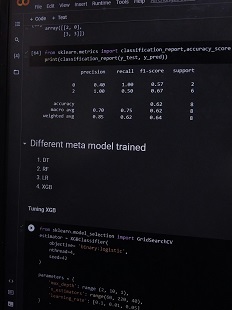
One of the most popular options is Google Colab. This cloud-based Jupyter notebook environment enables users to write and execute Python code directly in the browser. With its integration with Google Drive, users can easily save their work, collaborate with others, and leverage powerful GPUs for enhanced performance. The platform’s ease of access and extensive libraries make it particularly appealing for those new to machine learning.
Another highly regarded tool is Scikit-learn, a Python library designed for machine learning. Scikit-learn simplifies the implementation of complex algorithms and offers numerous pre-built models for classification, regression, and clustering tasks. It is well-documented, which aids beginners in understanding foundational concepts while honing their programming skills.
TensorFlow, developed by Google, is also prominent in the machine learning landscape. This open-source framework is suitable for both beginners and experienced practitioners. TensorFlow provides a variety of tools and resources that facilitate the development of deep learning models, including extensive documentation and tutorials aimed at entry-level users, making it compatible for learners.
Additionally, Keras offers a high-level interface for building and training deep learning models. Its simplicity and user-friendliness make Keras particularly suitable for beginners, as it abstracts many of the complexities found in traditional machine learning frameworks. Using Keras in conjunction with TensorFlow significantly enhances the ease of creating and deploying models.
In conclusion, the availability of these free machine learning tools empowers beginners to explore the field without substantial financial investment. Their comprehensive features, simplicity, and supportive communities ensure that newcomers can navigate their machine learning journey with confidence.
Getting Started with Your First Machine Learning Project
Embarking on your first machine learning project can be an exciting yet daunting experience. To simplify this journey, it is essential to follow a structured approach. The first step involves data collection, which serves as the foundation of any machine learning endeavor. Depending on your project goals, you can either gather datasets from online repositories, such as Kaggle or UCI Machine Learning Repository, or create your own dataset through surveys or web scraping.
Once you have your data, the next critical phase is preprocessing. This step helps in cleaning and transforming raw data into a suitable format for analysis. Techniques such as handling missing values, normalization, and encoding categorical variables play a significant role in ensuring your model performs effectively. Various free machine learning tools feature built-in functionalities for preprocessing, streamlining this stage considerably.
After preprocessing, you can begin building your machine learning model. Depending on the problem at hand—be it classification, regression, or clustering—you should choose the appropriate algorithm. Most machine learning platforms provide intuitive interfaces to facilitate model selection and training. It is advisable to start with simple models, such as linear regression or decision trees, before exploring more complex algorithms.
Once your model has been trained, evaluating its performance becomes paramount. Utilize metrics such as accuracy, precision, recall, or mean squared error, depending on your specific task. This evaluation phase will help you understand the effectiveness of your model and identify any areas for improvement. Finally, do not hesitate to leverage online resources, forums, and community support. Engaging with fellow learners can provide valuable insights and troubleshooting tips, making your first machine learning project not only manageable but also enjoyable.
Further Learning Resources and Community Support
As aspiring machine lear-ning practitioners embark on their journey, it is essential to leverage a variety of resources that can enhance their understanding and application of machine lear-ning concepts. Numerous online platforms offer structured courses tailored for beginners, many of which are free. For instance, websites like Coursera, edX, and Udacity provide introductory courses that cover foundational principles of machine lear-ning. These courses often include interactive quizzes and practical projects that facilitate hands-on learning.
In addition to formal coursework, tutorials available on platforms such as YouTube and Medium can serve as valuable supplementary materials. These short, focused tutorials often break down complex topics into manageable sections, making them accessible for those new to machine lear-ning. Furthermore, GitHub repositories often host projects with detailed documentation and code that beginners can explore to deepen their understanding.
Community support plays a pivotal role in the machine learn advancement process. Engaging with forums such as Stack Overflow, Reddit’s Machine Lear-ning community, or dedicated Discord servers enables learners to ask questions and share experiences. These platforms foster an environment where peer support is readily available, allowing beginners to seek guidance, share their projects, or collaborate with others. Networking within these communities is beneficial, as it opens opportunities for mentorship from more experienced professionals who can provide insights into industry trends and best practices.
Additionally, participating in local meetups or online webinars can help learners connect with others in the field, keeping them motivated and informed about the latest developments. Many organizations and academic institutions host events that encourage networking and knowledge sharing. Overall, integrating various resources and actively engaging with the community can significantly enhance a beginner’s learning experience in machine lear-ning.