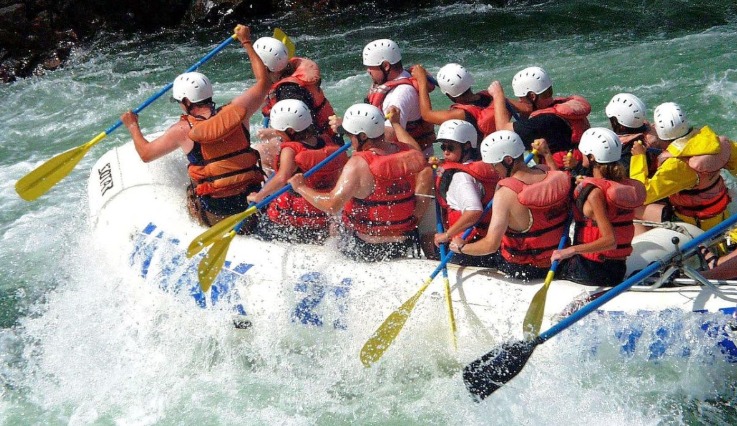

An outdoor activity centre is much more than a place of physical challenge; it is an all-inclusive hub for outdoor learning, individual development, teamwork, strength, and connection to nature. As children and adults spend more time indoors and in front of their screens, outdoor activity centres provide much-needed life skills, experiences, and memories that do not fade away after a visit.
From land-based activities to water sports and problem-solving, outdoor activity centres facilitate structured educational achievement, foster health and wellbeing, and enable individuals of all ages to develop confidence and capability in real-world conditions.
What is an Outdoor Activities Centre?
An outdoor activity centre is a specific area, usually in natural environments such as forests, lakesides, hills, or countryside, that offers a wide range of outdoor educational experiences in tamed, regulated settings. These centres are fun, adventure-based, with some form of organised learning and personal development.
Core elements include:
- Tutored activity programmes that are offered by trained professionals.
- Special purpose-designed structures like climbing towers, high ropes, water sports areas, and team challenge courses.
- Custom experiences at school, youth groups, family, and corporate teams.
- A focus on safety, flexibility, and accessibility.
The Core Benefits of Outdoor Learning Activities
Outdoor activity centres are terrific growth drivers in a variety of sectors:
Physical Development
Climbing, orienteering, involvement in paddle sports, and problem-solving exercises promote muscle growth, coordination, and endurance in stimulating, active environments.
Mental Wellbeing
Being with nature will help to decrease stress and anxiety, positively influence mood, and generate a feeling of calmness and self-confidence. Outdoor education programmes have demonstrated that being outdoors enhances concentration and cognitive ability.
Teamwork and Communication
Numerous tasks are organised around teamwork and problem-solving, the development of interpersonal skills, leadership, and trust.
Educational Enhancement
Such activities as navigation (orienteering) sessions and environmental studies make curriculum subjects come alive- in particular science, geography, and PE- through practice.
Popular Outdoor Learning Activities to Expect
The majority of the legitimate outdoor activities centres offer a balanced package of intriguing experiences. The common examples include:
Abseiling and Climbing
These provoke self-confidence, concentration, and safe risk-taking in the presence of an expert.
Archery and Bushcraft
These session-based activities are common in outdoor centres and involve nurturing patience, precision, and outdoor survival skills.
Orienteering
Students are taught how to read maps, navigate, and strategise- skills that one needs to have when they are on their own and think critically.
High Ropes and Team Challenges
These foster confidence, promote interaction, and improve teamwork.
Water-Based Adventure
Centres such as Action4Youth Caldecotte Xperience offer water sports, such as paddle sports and raft building, which help build balance, teamwork, and strength.
How Outdoor Activity Centres Support All Abilities
The emphasis on accessibility is one of the most effective advantages of modern outdoor centres. Some organisations, like The Caldecotte Xperience, are known to offer the greatest number of accessible activities, even to youth with disabilities, so that everyone can participate safely and without discrimination.
This all-inclusive model implies that everyone, including those with various mobility issues, learning needs, or proficiency levels, can participate in outdoor learning and succeed in active settings.
Outdoor Activity Centre Programmes for Schools & Groups
Outdoor activity centres are often visited by schools and organised groups as part of a structured learning activity. These programmes will be aimed at:
- Enrich the national curriculum with learning experiences.
- Promote teamwork, perseverance, and action-oriented problem-solving.
- Be age-, ability-, and educational goal-specific.
Another choice available in most centres is day visits, residential visits, and curriculum-aligned packages, and as a rule, subjects like geography, science, and physical education are not left out in outdoor learning.
Choosing the Right Outdoor Activity Centre
In choosing an appropriate outdoor activity centre, one should take into consideration the following:
Range of Activities
It has a good programme that incorporates land and water programmes. These centres offer a wide range of activities (abseiling to paddle sports), which creates greater interest.
Safety and Qualifications
Professionally trained and experienced trainers, along with standard safety practices, should take precedence.
Availability and Accessibility
Select a centre that offers flexible programmes to meet diverse needs and abilities.
Location and Facilities
Centres located in natural environments, such as mountains, lakes, and forests, offer richer learning experiences and foster long-term memories.
Reviews and Outcomes
Get school responses, interactions with families and groups to understand satisfaction and learning outcomes.
The Role of Outdoor Activity Centres in Youth Development
Learning outdoors extends way beyond recreation. It acquires the necessary life skills such as:
- Strength – facing difficulties is a source of endurance.
- Problem-solving – real-time activities are tasks demanding critical thinking.
- Leadership – group work provokes leadership potential.
- Confidence – individual success in performing well in a difficult environment supports self-confidence.
The studies and practice indicate that these advantages will yield better performance both in and out of the classroom.
Outdoor Activity Centre Trends & Future Outlook
Over the past few years, the field of outdoor education has been given a fresh impetus, and new programs have been created to engage with the natural environment and sustainability in a more in-depth way. The outdoor centres are now offering environmental learning, conservation projects, and nature-based curricula in their programmes, and all of these connect outdoor adventure with holistic education.
This expansion can be seen as part of a broader trend toward balancing digital learning, physical engagement, and environmental stewardship.
Conclusion: Invest in Experience, Growth, and Memories
Outdoor activity centres are at the crossroads of education, personal growth, and adventure. You are planning a learning trip with the school, you are a youth group looking to use team building, or you are a family looking to be actively involved in the natural world: these centres provide unforgettable experiences built on safety, skills development, and fun.
This will mean visitors will gain confidence, life skills, a better appreciation of nature, and a stronger sense of community by adopting the outdoor activity centre model, with far-reaching implications for visitors.