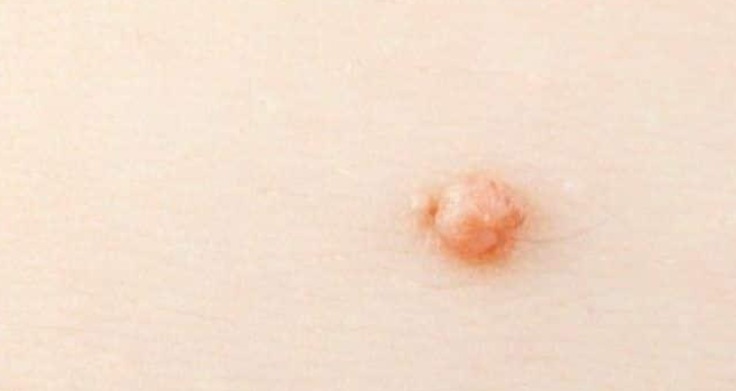

Genital warts are common and often sexually transmitted from one person to another. They are usually painless lumps that appear on the genital areas (anus, vulva, or penis). Whether you have genital warts or your sexual partner has them, it’s best to consider visiting a sexual health clinic. So, if you are searching for genital wart removal near me, keep reading!
Understanding Genital Warts
A genital wart is a lump that appears on the skin around the genital areas, including the penis, vulva, or anus. It often feels like a small, rough, and painless lump. Genital warts are a common sexually transmitted infection or STI. As a result, they can easily spread from one sexual partner to another.
Common Symptoms and When to Seek Treatment
Before you seek guidance for genital wart treatment London, from experts like London Dermatology Clinic, learn about the common symptoms of the infection. This guidance will help you approach your doctor at the right time.
Common symptoms
The symptoms of genital warts usually occur within a few weeks of intercourse with an infected sexual partner. Common symptoms include-
- A small and rough lump appears on the genital area.
- They may appear as a single small lump or in a group (looks like a cauliflower head)
- Can feel soft or hard on touch
- The colour can range from skin colour to white, red or darker than the surrounding skin.
In rare cases, they may also cause symptoms like pain, swelling, itching, or even bleeding.
When to see a doctor
- If you have one or more painless lumps in your genital area.
- Itching or bleeding from the anus, vulva or penis.
- Change in normal pee flow, like it started to flow sideways.
- Lastly, if your sexual partner has genital warts, irrespective of whether you have one or not.
Non-Surgical Genital Wart Treatment Options
There are several non-surgical removal methods available for treating genital warts. Some of the most common non-surgical genital wart treatments include-
- Cryotherapy: An advanced process of freezing and removing the wart using liquid nitrogen.
- Electrocautery: This involves the use of electric current to burn and discard the wart.
- Laser removal: Laser removal involves the use of a laser to seal the blood supply and ensure natural removal of the wart.
Surgical and Advanced Treatment Methods
Apart from non-surgical removal methods, there are surgical options available for removing genital warts. This usually involves –
- Surgical excision: A process of surgical removal of the wart by the surgeon. This method is primarily used for treating a large number of genital warts or a group of warts. This is often an effective method when laser or other non-surgical removal doesn’t help.
Remember, genital warts are a sexually transmitted infection that can lead to serious diseases. Therefore, if non-surgical removal methods do not serve you or your doctor recommends it, you should opt for surgical removal.
Even though genital warts seem painless and non-bothering, you should consider consulting a sexual health clinic or dermatologist if you or your sexual partner has genital warts. Also, choose the best dermatologist in London, such as London Dermatology Clinic, when you search for genital wart removal near me.