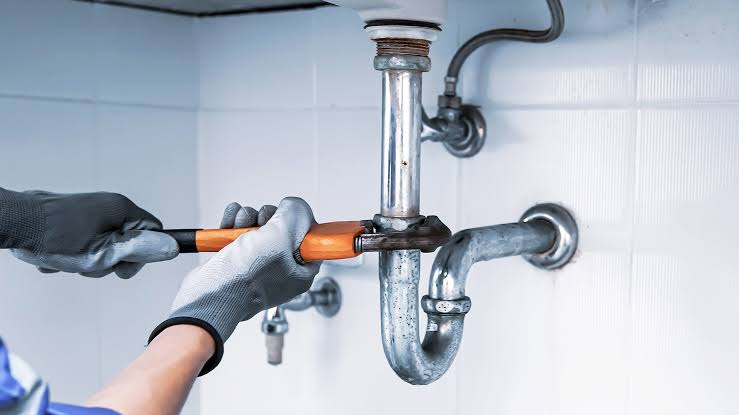

A home’s plumbing system is one of the most important features of any property, yet it is often overlooked until a problem develops. Behind every faucet, shower, toilet, and appliance is a network of pipes, valves, and fixtures working together to provide clean water and safely remove wastewater. When everything functions properly, homeowners rarely think about it. However, regular maintenance and prompt repairs can prevent expensive damage while helping your home remain comfortable and efficient for years to come.
One of the best ways to protect your home is by paying attention to small plumbing issues before they become major repairs. A dripping faucet, a slow drain, or a toilet that continues running after flushing may seem like minor inconveniences, but they often indicate a larger issue developing within the plumbing system. Over time, these small problems can waste thousands of gallons of water, increase utility bills, and eventually lead to more costly repairs.
Leaks hidden behind walls or beneath flooring are especially concerning because they can remain unnoticed for months. During that time, moisture can weaken wood framing, damage drywall, ruin flooring, and even encourage mold growth. Homeowners should watch for warning signs such as unexplained increases in water bills, damp spots on walls or ceilings, musty odors, or reduced water pressure throughout the home.
Preventive maintenance is one of the smartest investments a homeowner can make. Periodically inspecting exposed pipes, checking water supply lines connected to appliances, and ensuring shut-off valves operate properly can help identify problems early. Water heaters should also be inspected and flushed according to manufacturer recommendations to remove sediment that naturally accumulates over time. This simple maintenance can improve efficiency, extend equipment life, and provide more consistent hot water. As for our link details, can we add this sentence in the article: For homeowners who want to learn more about maintaining their plumbing systems and preventing costly repairs, visit this site for additional information and professional assistance.
Kitchen plumbing deserves special attention because it experiences heavy daily use. Grease, cooking oils, coffee grounds, and food scraps should never be poured down the drain, even if a garbage disposal is installed. These materials can gradually build up inside drain lines, creating stubborn clogs that restrict water flow. Using drain strainers and disposing of grease properly can significantly reduce the risk of blockages.
Bathrooms present their own plumbing challenges. Hair, soap residue, and personal hygiene products frequently contribute to clogged drains. Only toilet paper should be flushed, as wipes, paper towels, cotton swabs, and other products often create significant blockages in household plumbing systems. Simple habits like using drain covers and cleaning them regularly can help prevent unnecessary plumbing service calls.
Water pressure also plays an important role in the health of a home’s plumbing system. While strong water pressure may feel enjoyable in the shower, excessively high pressure can place unnecessary stress on pipes, fixtures, and appliance connections. Over time, this additional strain may shorten the lifespan of plumbing components. If water pressure seems unusually high or low, it is worth having the system evaluated to determine whether adjustments are needed.
Many homeowners also overlook the importance of knowing where the main water shut-off valve is located. In the event of a burst pipe or significant leak, quickly shutting off the water supply can dramatically reduce property damage. Every adult living in the home should know where this valve is located and understand how to operate it during an emergency.
Seasonal weather can also impact plumbing systems. During colder months, exposed pipes in garages, crawl spaces, or exterior walls should be protected from freezing temperatures. Frozen pipes may crack or burst, leading to significant water damage once they thaw. Proper insulation and maintaining adequate indoor temperatures can help minimize this risk.
When plumbing issues require professional attention, working with an experienced Avon plumbing company provides homeowners with the knowledge and equipment needed to accurately diagnose problems and complete repairs correctly. Professional plumbers can identify hidden issues, recommend long-term solutions, and help ensure that repairs meet current plumbing standards.
Your home’s plumbing system quietly supports nearly every aspect of daily life. By practicing preventive maintenance, addressing small issues promptly, and understanding how your plumbing system operates, you can avoid many common problems while protecting one of your largest financial investments. A well-maintained plumbing system not only provides reliable performance but also contributes to greater comfort, improved efficiency, and long-term peace of mind for every homeowner.