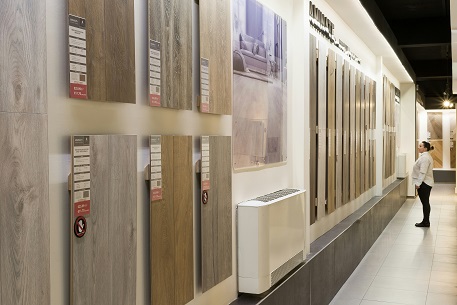

Understanding Flooring Types
When selecting the best flooring options for a home, it is essential to understand the various types available in the market, each offering its unique blend of aesthetics, durability, and maintenance requirements. The most common flooring types include hardwood, laminate, vinyl, tile, and carpet.
Hardwood flooring is a timeless choice, characterized by its natural beauty and long-lasting durability. Available in various species such as oak, maple, and cherry, hardwood not only enhances the interior aesthetic but also resists wear and tear when properly maintained. However, it requires regular polishing and refinishing to preserve its appearance, making maintenance a consideration.
Laminate flooring, on the other hand, offers the look of hardwood at a lower price point. Made from composite wood pressed together, it comes with a protective layer that makes it resistant to scratches and moisture. This type of flooring is particularly appealing to families with pets or children, as it is easier to clean compared to traditional wood. However, while laminate is durable, it can be susceptible to moisture damage if not installed correctly.
Vinyl flooring has gained popularity due to its versatility and affordability. It is available in planks, tiles, or rolls, and can convincingly mimic the appearance of natural materials like wood or stone. Vinyl is known for its ease of installation and maintenance, as spills can be wiped away seamlessly. This feature makes it an efficient choice for high-traffic areas such as kitchens and bathrooms.
Tile flooring is renowned for its durability and water resistance, making it suitable for areas prone to moisture. Available in ceramic, porcelain, or natural stone, tiles can provide a wide range of design options. Nevertheless, tiled floors can be cold underfoot and may require professional installation due to their weight and complexity.
Lastly, carpet offers warmth and comfort, making it ideal for bedrooms and living spaces. With a variety of styles, colors, and textures available, carpets can enhance any room’s ambiance. Yet, they require regular vacuuming and professional cleaning to maintain their appearance and longevity.
Factors to Consider When Choosing Flooring
Selecting the right flooring for your home is a significant decision that can impact the overall aesthetics, functionality, and comfort of your living environment. There are several essential factors to consider when making this choice, which include lifestyle, climate, budget, and aesthetic preferences.
Firstly, it is crucial to assess your lifestyle. For households with children or pets, durability and cleanliness are paramount; therefore, materials like laminate, luxury vinyl, or tile may be optimal choices due to their resistance to scratches and stains. Conversely, if you enjoy hosting gatherings or have high foot traffic areas, selecting flooring that can withstand daily wear and tear will prolong its lifespan and maintain its appearance.
The climate in which you live is another vital consideration. Certain flooring types may be better suited for specific climates. For instance, hardwood might swell in humid conditions, whereas ceramic tile remains inert. On the other hand, carpet may offer warmth in colder climates, providing added comfort and insulation without the risk of thermal contraction.
Your budget should also play a significant role in your decision-making process. Flooring options range widely in price, from budget-friendly laminate to high-end hardwood. It is essential to factor in not only the initial cost of the material but also any potential maintenance expenses over time. Some flooring options, like vinyl, may be less expensive upfront but might incur higher costs in terms of maintenance and replacement.
Lastly, aesthetic preferences should not be overlooked. The color, texture, and style of flooring can dramatically influence the overall design of a room. Consider how the flooring will complement the existing decor and furnishings; visual consistency can enhance the appeal of your home. By thoroughly assessing these factors, homeowners can make well-informed decisions that align with their specific needs and preferences.
Hardwood Flooring: Timeless Elegance
Hardwood flooring stands as a symbol of timeless elegance and sophistication, often regarded as a significant investment for homeowners. Renowned for its natural beauty, this flooring option can enhance the aesthetic of any space, providing warmth and character. The most common types of hardwood include oak, maple, and cherry, each possessing unique grains and colors that can complement various interior designs.
In terms of durability, hardwood flooring is an excellent choice. With proper care, it can last for decades, making it a long-term investment that often increases the value of a home. However, it is essential to consider the variability in hardness among different types of wood. For instance, oak is known for its robustness, while softer woods like pine may require more vigilant maintenance to prevent scratches and dents.
The installation process for hardwood flooring may involve several steps, including acclimation of the wood, proper subfloor preparation, and the choice between nail-down or floating installations. It is recommended to consult professional installers to ensure optimal results, as the quality of installation can significantly affect the performance and longevity of the flooring.
Maintenance of hardwood floors is relatively straightforward but requires regular attention. Routine cleaning involves sweeping or vacuuming to remove debris, and periodic refinishing can rejuvenate the surface and eliminate minor scratches. Moreover, using area rugs in high-traffic areas can help preserve the wood by minimizing wear.
While hardwood flooring boasts a number of advantages such as beauty, durability, and potential increases in property value, it is not without its downsides. It can be susceptible to moisture damage, making it less ideal in areas prone to humidity or water spills. Additionally, hardwood flooring tends to be pricier than other options, which may be a consideration for budget-conscious homeowners. Thus, weighing the pros and cons is essential when determining if hardwood flooring is the best choice for your home.
Laminate Flooring: Affordable Versatility
Laminate flooring has emerged as a popular choice for many homeowners seeking a versatile and affordable flooring option. One of the primary benefits of laminate flooring is its cost-effectiveness. Typically, laminate costs significantly less than hardwood or tile, making it an attractive alternative for budget-conscious individuals who still desire a stylish aesthetic in their homes.
Another appealing aspect of laminate flooring is its ease of installation. Many laminate products feature a click-lock design, allowing homeowners to install the flooring themselves without the need for professional help. This not only saves on installation costs but also fits into the schedules of those eager to undertake DIY projects. Additionally, laminate can be installed over existing floors, further simplifying the process.
When it comes to style, laminate flooring offers an extensive variety of options. Today’s laminate can mimic the look of hardwood, stone, or tile, with realistic textures and finishes. This variety makes it easy for homeowners to select a style that complements their decor. Furthermore, advancements in technology have led to improved designs that provide durability, ensuring that laminate flooring can withstand the rigors of daily life.
In terms of performance, laminate flooring is known for its resistance to wear and tear. It is typically manufactured with a protective layer that guards against scratches, stains, and fading, making it a suitable choice for high-traffic areas and homes with pets. While laminate flooring cannot be refinished like hardwood, its impressive stability and durability reduce the need for replacement over time.
It is important to note the distinctions between laminate and similar flooring types such as vinyl and engineered wood. Unlike vinyl, which is more moisture-resistant, laminate is better suited to areas with lower humidity levels. In contrast to engineered wood, laminate does not contain any natural wood, making it less costly but potentially less appealing for those who prioritize authentic materials. These differences make laminate an excellent option for buyers looking for economical and visually pleasing flooring.
Vinyl Flooring: Waterproof and Resilient
Vinyl flooring has gained considerable popularity in recent years due to its unique combination of durability, waterproof properties, and aesthetic appeal. This versatile flooring option is suitable for various areas of the home, including kitchens, bathrooms, and living spaces, thanks to its resilience against moisture and foot traffic. One of the significant advantages of vinyl is its soft texture underfoot, making it a comfortable choice for households with children or pets.
There are three primary types of vinyl flooring: vinyl sheet, vinyl tile, and luxury vinyl planks. Each of these options has distinct features that cater to different tastes and requirements. Vinyl sheet is available in large, continuous rolls which minimizes seams and enhances the waterproof capability. This option is ideal for spaces where spills are common, providing protection against leaks and moisture damage.
On the other hand, vinyl tiles offer a modular solution that allows for easy installation and replacement. These tiles come in various designs and can simulate the look of natural materials like wood or stone, giving homeowners the aesthetic flexibility they desire. Vinyl tiles are particularly suitable for high-traffic areas due to their cushioned surface, which promotes comfort and safety.
Luxury vinyl planks (LVP) represent the top tier of vinyl flooring, combining the elegance of hardwood with superior durability. These planks are designed to replicate the intricate textures and designs of natural wood, all while maintaining waterproof attributes. Ideal for those seeking both style and functionality, LVP can be used throughout the home, creating seamless transitions across different rooms.
In essence, vinyl flooring stands out as an excellent choice for those seeking a waterproof and resilient flooring solution. Its range of styles and types ensures that every homeowner can find the perfect fit for their needs, whether aiming for a cozy ambiance or a modern aesthetic.
Tile Flooring: Longevity and Style
Tile flooring is a preferred choice for many homeowners due to its remarkable durability and aesthetic versatility. Composed primarily of ceramic or porcelain, tile flooring stands out for its ability to withstand daily wear and tear while retaining its appearance over time. This durability makes it an excellent investment for high-traffic areas in a home, such as kitchens and entryways, where other flooring materials may show signs of wear more quickly.
One of the distinguishing features of tile flooring is its resistance to moisture and stains. This characteristic is particularly beneficial in areas prone to spills, such as bathrooms and kitchens. Unlike wood or laminate, which can warp and discolor when exposed to moisture, tile remains intact and can be easily cleaned, ensuring longevity and maintaining hygiene standards in the home.
There are several design options available within the realm of tile flooring. Homeowners can choose from a multitude of colors, patterns, and finishes to complement their existing decor. From the sleek look of polished porcelain tiles to the rustic charm of handmade ceramics, the design possibilities are extensive. Additionally, contemporary trends include large-format tiles which create a seamless visual flow, enhancing the sense of space in a room.
When considering tile flooring, it is essential to evaluate installation options. Tile can be set over many existing surfaces, but proper preparation is crucial for ensuring a durable installation. Homeowners may choose to engage professional installers familiar with the specifics of tile laying or consider a do-it-yourself approach if they have the necessary skills and tools. Regardless of the installation method, attention to detail during the process will result in a beautiful and long-lasting flooring solution.
Carpet Flooring: Comfort and Warmth
Carpet flooring is a popular choice among homeowners due to its unparalleled comfort and warmth. It provides a soft and inviting surface underfoot, making spaces feel cozy and homely. Carpets are particularly beneficial in colder climates as they retain heat and can significantly enhance a room’s overall thermal insulation. This feature not only keeps homes warm but also contributes to energy efficiency by reducing heating costs during winter months.
There are various types of carpets available, each offering unique benefits and aesthetics. Loop carpets, known for their durability, feature fibers that are tightly looped to create a resilient surface. This type of carpet is ideal for high-traffic areas, providing both strength and style. Cut-pile carpets, on the other hand, have a more luxurious feel and are achieved by cutting the loops off the yarn. They offer a plush appearance that adds elegance to any room. Plush carpets provide a dense, soft surface and are perfect for bedrooms and living areas where comfort is a priority.
Maintaining carpet flooring requires some attention to ensure its longevity and appearance. Regular vacuuming is essential to remove dust and debris, while periodic deep cleaning can help eliminate stains and allergens, making the environment healthier. Many carpets today are designed to resist staining, enhancing their appeal for families and pet owners. With a wide range of colors, textures, and styles available, homeowners can find a carpet that complements their décor while enhancing comfort and insulation.
Eco-Friendly Flooring Options
In recent years, there has been a noticeable shift towards sustainable living, with eco-friendly flooring options gaining significant popularity among homeowners. Various materials are available that not only reduce environmental impact but also enhance indoor air quality, making them ideal for a healthier home.
Bamboo flooring stands out as one of the most sustainable choices available. Harvested from the fast-growing bamboo grass, this flooring option is remarkably durable and can be a solid alternative to traditional hardwoods. Its rapid regrowth cycle means that bamboo can be harvested without damaging the ecosystem, presenting a responsible choice for environmentally conscious households.
Cork is another remarkable eco-friendly flooring option that boasts numerous benefits. It is harvested from the bark of cork oak trees, allowing the tree to continue growing and absorbing carbon dioxide. This unique harvesting method contributes to the sustainability of cork flooring. Additionally, cork has natural insulating properties that contribute to energy savings by keeping the home warmer in winter and cooler in summer. Furthermore, its cushioned surface is ideal for those seeking comfort underfoot.
Recycled flooring options also play a vital role in promoting sustainability within homes. Many companies now produce flooring made from reclaimed wood, recycled rubber, or even repurposed synthetics. These products not only divert waste from landfills but also provide unique aesthetic qualities, allowing homeowners to enjoy distinctive, character-rich flooring while minimizing their environmental footprint.
Choosing eco-friendly flooring options like bamboo, cork, or recycled materials not only supports environmental sustainability but also fosters a healthier living space. With various benefits, these materials make a wise investment for homeowners looking to enhance their interiors while caring for the planet.
Making the Final Decision: Tips for Choosing the Right Flooring
Deciding on the right flooring for your home can be a daunting task, given the multitude of options available today. To simplify this process, consider assessing current design trends while ensuring practicality meets personal taste. Firstly, understanding prevailing styles can lead to a more cohesive interior design. Trends evolve periodically; therefore, it is crucial to familiarize oneself with contemporary fashions to ensure your choice feels current yet timeless.
Consulting with flooring professionals can significantly enhance your decision-making process. Experts in the field can provide invaluable insights regarding durability, maintenance, and the suitability of different materials for various environments. Whether it’s hardwood, laminate, ceramic tile, or luxury vinyl, professionals can guide you on the best options based on your specific requirements.
Moreover, take advantage of visualizing your potential choices in your home environment. Requesting samples of flooring materials can be instrumental in understanding how each option complements your space. Placing samples in various lighting conditions will help in assessing colors, patterns, and textures, allowing you to see how it interacts with your existing decor. This practical step aids in reducing uncertainty and promotes a confident final selection.
While aesthetics are crucial, balancing personal preferences with practical needs is essential in your final decision. Consider factors such as the level of foot traffic in each area, the feasibility of upkeep, and any specific requirements triggered by allergies or pets. By weighing these aspects, you will arrive at a flooring solution that not only aligns with current trends but also functions optimally within your dynamic household. Ultimately, the right choice contributes to the comfort, beauty, and functionality of your home.