
No-code development refers to the practice of creating software applications without the need for traditional programming skills, allowing users to construct applications through graphical interfaces and configuration settings. This innovative approach has emerged as a significant part of the modern tech landscape, enabling individuals from various backgrounds to participate in the app development process, thus democratizing technology.
The significance of no-code platforms lies in their ability to empower anyone, regardless of their technical expertise, to bring their ideas to life. By utilizing drag-and-drop features and pre-built templates, users can easily design, develop, and deploy applications. This accessibility has resulted in a growing trend of no-code solutions, as organizations strive to reduce development costs and time, while simultaneously enhancing agility in responding to market demands.
Businesses and entrepreneurs are increasingly turning to these tools, recognizing that traditional software development often requires considerable resources, both in terms of time and skilled personnel. With no-code development, teams can quickly prototype applications and iterate based on user feedback without relying heavily on developers, allowing for a more streamlined and efficient creation process. Furthermore, as the demand for custom applications rises, no-code platforms have become invaluable, providing a feasible solution for both small startups and large enterprises.
As organizations continue to embrace digital transformation, the role of no-code development will likely expand further. This trend highlights a shift in how software is built and maintained, allowing a wider array of individuals to contribute to the innovation process without being hindered by a lack of coding knowledge. In this evolving environment, no-code solutions stand out as a promising path forward for app development.
Benefits of Cross-Platform App Development
Cross-platform app development offers a multitude of advantages, making it an increasingly popular choice among developers and businesses alike. One of the foremost benefits is cost-effectiveness. By utilizing a single codebase, developers can build applications that are compatible with multiple operating systems, such as iOS and Android, without needing to develop separate codebases for each platform. This significantly reduces development time and associated costs.
Another key benefit is the increased market reach that cross-platform applications provide. By deploying an app that functions seamlessly across both major mobile operating systems, businesses can reach a wider audience. This is particularly important in a diverse market where user preferences vary, ensuring that potential customers, regardless of their device choice, can access the application. Therefore, cross-platform app development not only facilitates broader exposure but also enhances user engagement, as users can easily share and recommend the app within their social circles.
Furthermore, simplified maintenance is a crucial advantage of cross-platform app development. As updates, bug fixes, and patches need to be implemented, having a unified codebase minimizes the complexity of this process. Instead of managing multiple versions of the application, developers can roll out modifications once, streamlining and expediting the maintenance cycle. This results in improved responsiveness to user feedback and the ability to incorporate enhancements into the app promptly.
In summary, the benefits of cross-platform app development extend beyond mere cost savings. They encompass increased market reach and simplified maintenance procedures, making cross-platform solutions a strategic choice for businesses looking to optimize their app development processes.
Overview of Popular No-Code App Builders
The no-code movement has transformed how individuals and businesses approach application development, enabling users to create functional applications without prior programming knowledge. Among the leading no-code app builders that offer robust cross-platform capabilities are Adalo, AppGyver, and Glide, each tailored to different audiences and project requirements.
Adalo is a powerful no-code app builder known for its user-friendly interface, which allows users to build applications quickly using a drag-and-drop functionality. One of Adalo’s standout features is its ability to connect to external databases and APIs, enabling more complex functionalities. It provides a free tier that includes essential features, making it an attractive option for startups and entrepreneurs looking to test their concepts without financial commitment.
AppGyver stands out with its comprehensive platform designed for rapid prototyping and building production-ready applications. This no-code tool excels in its visual programming interface and offers extensive integration capabilities with third-party services. With a robust free plan, AppGyver caters to developers, small businesses, and enterprise-level companies alike, emphasizing scalability and customization.
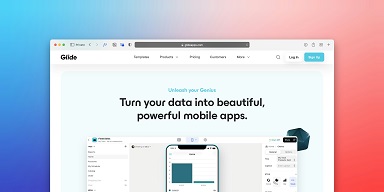
Lastly, Glide offers a unique approach by converting Google Sheets into functional mobile apps. This no-code app builder is particularly useful for users seeking to create simple applications with minimal effort. Glide’s appeal lies in its straightforward setup process, making it suitable for both beginners and educators who want to create apps for learning purposes. Its free tier includes sufficient features to create basic applications, appealing to hobbyists and educators.
In summary, these no-code app builders—Adalo, AppGyver, and Glide—provide varying strengths, catering to an array of user needs in the dynamic ecosystem of app development. Their emphasis on ease of use and cost-effective solutions significantly lowers the barrier to entry for aspiring app creators.
Getting Started with No-Code App Building
Embarking on the journey of no-code app development can initially seem daunting, but with the right approach, it can be an accessible and empowering process. To begin, the first step is to select a suitable no-code app builder that aligns with your project needs and goals. Many platforms cater to different requirements, offering various features and pricing plans, so conducting thorough research is essential. Popular platforms include Adalo, Glide, and AppSheet.
Once you have chosen a platform, familiarize yourself with the available templates. Most no-code app builders provide predefined templates that can significantly streamline your app development. These templates often include common app functionalities, which can be customized to better suit your objectives. By utilizing these resources, you can accelerate the creation of your app while maintaining a high level of functionality.
Next, take advantage of the user-friendly drag-and-drop interface most no-code platforms offer. This feature allows you to visually design your app without needing advanced programming skills. You can easily add components such as buttons, images, and text boxes simply by dragging them into place. This intuitive design process not only simplifies app creation but also enables quick iterations as you refine your app’s layout and functionality.
Finally, once you have completed designing and customizing your app, consider the app’s publishing options. Most no-code platforms provide guidance on how to publish your app across various platforms. This allows you to launch your application on both iOS and Android, reaching a wider audience. With these foundational steps in mind, you are well-equipped to start your no-code app building journey, enabling you to create innovative solutions without the need for extensive coding knowledge.