
What Are the Symptoms of IBS? Signs and Triggers
As we age, our digestive health can become more sensitive, and conditions that may have been mild in our younger years can become more pronounced. One such condition is Irritable Bowel Syndrome. If you or an older loved one are experiencing frequent digestive discomfort, you might be wondering, what are the symptoms of IBS? Understanding these signs is crucial for seniors and family caregivers who want to ensure a high quality of life and proper daily care.
What Is IBS (Irritable Bowel Syndrome)?
Irritable Bowel Syndrome, commonly known as IBS, is a common disorder that affects the large intestine. It is a chronic condition that requires long-term management, especially in older adults whose digestive systems may already be slowing down. Unlike some other gastrointestinal diseases, IBS does not cause changes in bowel tissue or increase your risk of colorectal cancer. However, it can significantly impact a senior’s comfort and daily routine. For more resources and professional guidance, you can visit https://www.bustletongi.com/. The dedicated team at Bustleton is experienced in helping patients manage their digestive health effectively.
The Most Common Symptoms of IBS
Recognizing the symptoms of IBS is the first step toward finding relief. While symptoms can vary from person to person, they often follow a pattern that caregivers and seniors can learn to identify. Tracking these symptoms can be incredibly helpful when consulting with a healthcare professional.
Digestive Symptoms to Watch For
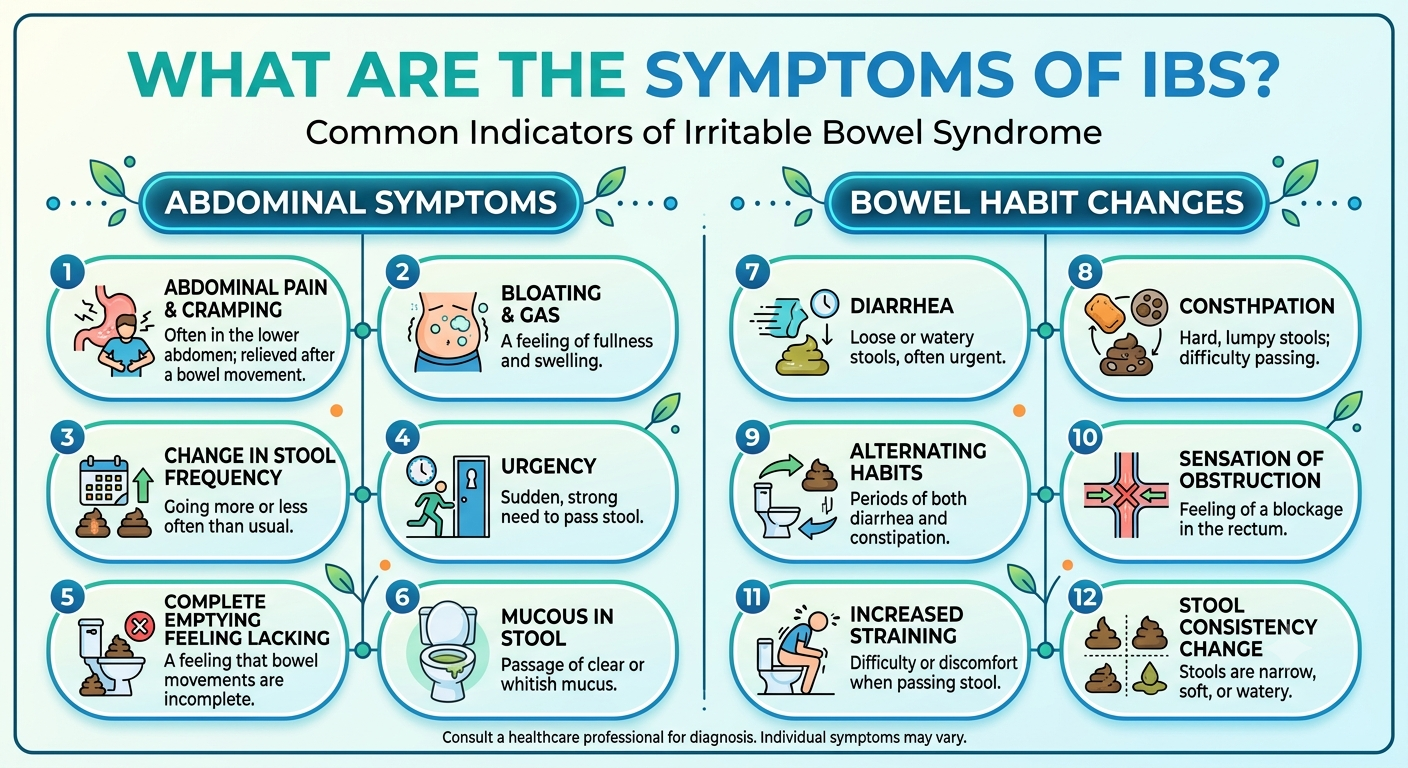
The most frequent digestive complaints associated with IBS include changes in bowel habits. Seniors may experience periods of diarrhea, constipation, or sometimes alternating bouts of both. These sudden changes can be distressing and may lead to a reluctance to participate in social activities or leave the house. Family caregivers should pay close attention to any sudden or persistent changes in a loved one’s bathroom routines.
Pain, Bloating, and Discomfort
Another hallmark of the condition is physical discomfort. Many older adults report feeling excessive gas and abdominal bloating, which can make clothing feel tight and uncomfortable. Cramping and abdominal pain are also prevalent, often feeling like a sharp ache in the lower belly. This pain is frequently, but not always, relieved by having a bowel movement. Managing this discomfort is a priority for caregivers supporting seniors with IBS.
Symptoms of IBS in Females
It is well-documented that IBS affects women more frequently than men, and this remains true as women age. The symptoms of IBS in females can sometimes present differently or be influenced by unique biological factors, making it important for female seniors and their caregivers to understand these distinctions.
How Symptoms Can Differ in Women
Women may experience more severe abdominal pain and bloating compared to men. Additionally, symptoms of IBS in females can sometimes overlap with or be exacerbated by other pelvic floor issues that are common in older women. This can make the diagnosis and management of the condition more complex, requiring a careful and comprehensive approach from medical professionals.
The Link Between Hormones and IBS Flare-Ups
While hormonal fluctuations are most often associated with younger women, hormonal changes throughout a woman’s life can have a lasting impact on gut sensitivity. Even in postmenopausal women, the digestive tract can remain highly sensitive to stress and dietary changes. Caregivers should be aware that emotional stress or sudden changes in routine can act similarly to hormonal shifts, triggering severe ibs symptoms.
What Can Trigger IBS Symptoms
Understanding what causes a flare-up is essential for managing the condition. Common triggers include certain foods, such as dairy products, fried foods, and high-fiber foods that produce gas. Stress and anxiety are also major triggers; the gut-brain connection is very strong, and emotional distress can quickly lead to physical digestive issues. For seniors, a sudden change in medication, a disruption in their daily care routine, or even dehydration can provoke IBS symptoms. Caregivers at Bustleton often emphasize the importance of a stable, stress-free environment and a carefully monitored diet to keep symptoms at bay.
When to See a Doctor About IBS Symptoms
While IBS is a chronic condition, there are certain red flag symptoms that should never be ignored, especially in the elderly. If a senior experiences unexplained weight loss, rectal bleeding, difficulty swallowing, or abdominal pain that is not relieved by passing gas or a bowel movement, it is time to seek immediate medical attention. These could be signs of a more serious condition. Always consult with a healthcare provider for an accurate diagnosis and a tailored treatment plan. Family caregivers play a vital role in monitoring these signs and advocating for their loved one’s health and comfort.