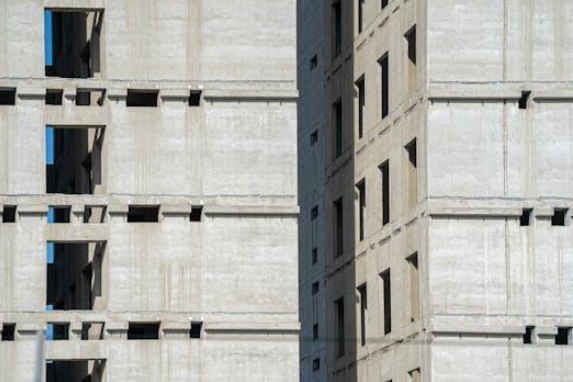

Cities don’t grow politely. They erupt. Towers rise beside school gates, rail cuttings, and exhausted ring roads, all while councils demand less noise, fewer lorries, and zero delays. Concrete sits at the centre of this frenzy because nothing else carries loads, shrugs off weather, and stays cheap enough for politicians to brag about. The argument, then, isn’t concrete versus something prettier. Which concrete method keeps pace with urban speed without turning sites into months of mud, queues, and complaints? That question becomes sharper each year.
Speed, Predictability, and the Factory Advantage
Precast wins on tempo. Casting in a controlled plant strips out rain delays, sloppy formwork, and the daily risk of site labour. Firms like JP Concrete push that logic hard because repeatable panels, beams, and stairs arrive ready to bolt and grout, not to babysit. Lifts happen fast. Floors appear overnight. Neighbours notice less noise, which matters more than engineers admit. Pour-in-place can sprint on tiny elements, yet it slows when every pour needs checks, curing time, and endless temporary works. Speed also brings safer sites, since fewer trades crowd each other.
Design Freedom and the Tyranny of the Programme
Pour-in-place flatters the architect’s ego. Curves, odd junctions, awkward transfers, and last-minute tweaks all suit wet concrete. The site team can adjust dimensions, move openings, and fix conflicts without waiting for a new mould. Precast dislikes improvisation. Every change rippled back through shop drawings, mould sets, and delivery slots. Rapid urban schemes love certainty, yet cities love surprises. A buried service, a neighbour’s party wall, a planning condition that arrives late. Wet pours absorb chaos. Precast demands decisions early and punishes indecision. Digital modelling helps, yet humans still miss things.
Logistics, Congestion, and the Carbon Argument
Urban streets punish lorries. Precast needs timed deliveries, crane time, and storage space that often don’t exist. A single blocked junction can freeze the entire sequence, making the tower crane a single point of failure. Pour-in-place moves smaller loads more often. Rebar, pumps, and formwork filter in through tighter gaps. Carbon claims split too. Precast can cut waste and rework in the plant. Pour-in-place can cut transport miles when local batching plants sit nearby. Numbers matter. Assumptions matter more. A slick brochure can’t fix a bad haul route or a strict delivery window.
Quality, Risk, and What Fails at 2 a.m.
Precast usually delivers cleaner finishes and tighter tolerances because machines and jigs don’t fatigue. Site concrete can reach the same strength, yet it depends on supervision, weather protection, and curing discipline, which many projects treat as optional. Risk shifts, not vanishes. Precast concentrates risk in connections, bearings, and grouted joints. If crews rush those details, cracks appear later, right when residents start calling. Pour-in-place spreads risk across many pours and cold joints. Faults hide. Repairs become archaeology. Inspectors like visibility, and precast joints demand it. Poor compaction in a wet pour can haunt a building for decades.
Conclusion
The better choice rarely comes from ideology. Precast suits repeatable housing blocks, car parks, and schools where speed and uniformity rule and where cranes can work without strangling traffic. Pour-in-place suits basements, transfer slabs, and tangled footprints where the city refuses neat geometry. Rapid development needs a ruthless hybrid mindset. Precast the standard pieces. Pour the stubborn bits. Let the program drive the decisions, not fashion. Concrete, after all, isn’t concerned about arguments. It cares about curing, connecting, and getting built. The smartest teams plan both paths from day one, then pick the one that survives real constraints.